Aldehydic
| Perfumer | Jacques Polge |
|---|---|
| House | Chanel |
| First created | 1921 |
| Original use | Signature fragrance for the fashion house |
| Note type | Top note / Accord |
| Effect | Sparkling, clean, slightly waxy |
| Characteristic materials | C-10 (decanal), C-11 (undecanal), C-12 (lauric aldehyde) |
Origin and history
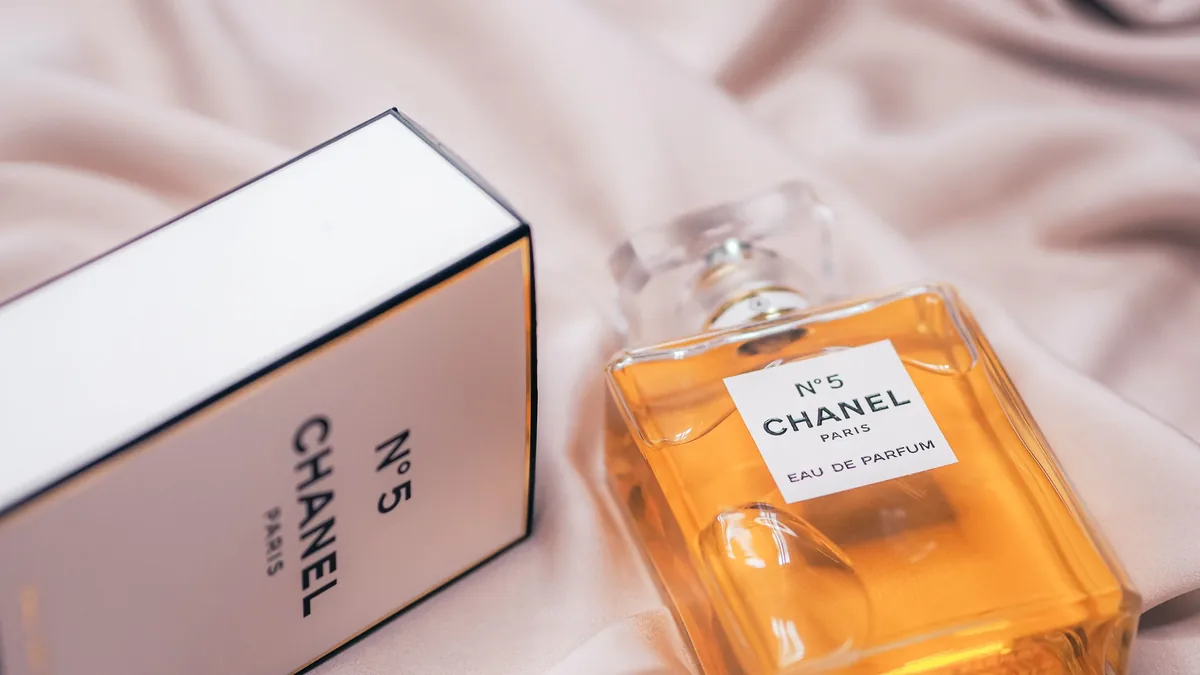
Aldehydic is a descriptor for a broad class of synthetic organic compounds used in perfumery, characterized by their specific chemical structure. The term itself does not refer to a single note but to a family of aroma chemicals known as aldehydes. Their significant use in fragrance began in the early 20th century, with key developments occurring in Europe, primarily France and Switzerland, through industrial chemical synthesis. The landmark event was the inclusion of a suite of synthetic aldehydes in Chanel No. 5, created by perfumer Ernest Beaux for the House of Chanel and launched in 1921. Their integration marked a definitive shift in perfumery from purely natural reproductions to modern, constructed olfactory compositions.
What it is for
In perfumery, aldehydes are used primarily as top notes to provide lift, diffusion, and a distinctive sparkle to a fragrance composition. They serve to blur and blend other ingredients, creating a harmonious, often opaque or abstract olfactory effect rather than a clearly defined single-note impression. Certain aliphatic aldehydes, like C-12 MNA, are employed to impart specific waxy, citrus, or marine nuances, while others can convey soapy, clean, or metallic sensations. They are foundational in constructing the classic "aldehydic accord," a perfumery staple that forms the bright, effervescent opening of many floral and chypre fragrances. Their powerful and persistent nature means they are used in minute concentrations to achieve the desired effect without overwhelming the blend. Beyond top notes, some aldehydes contribute to the overall structural body of a scent, adding a perceived texture and volume that enhances longevity and sillage.
Overview
Aldehydes in perfumery are synthetic chemicals, not direct extracts from natural materials, though some occur in nature in trace amounts. They are valued for their potent, diffusive, and often non-literal scents that can range from waxy and citrus-like (reminiscent of lemon peel) to fatty and soapy, or even metallic and starchy. The most commonly referenced in fragrance descriptions are the aliphatic aldehydes C-10, C-11, and C-12, each with a different character. An "aldehydic" fragrance typically features these molecules prominently in the opening, creating a fizzy, bright, and sometimes slightly sharp bubble that gradually settles to reveal the heart notes. This family of notes is a cornerstone of the floral-aldehydic genre, giving scents a clean, elegant, and sometimes retro-chic quality. Understanding aldehydes is key to understanding a significant segment of 20th-century modernist perfumery and its enduring influence.
What to know
Aldehydic notes are highly volatile and are almost always perceived in the top notes of a fragrance, though their effect lingers in the overall impression. They are notoriously potent, and perfumers measure them in fractions of a percent within a formula; overdosing can easily lead to a harsh, unpleasant soapiness or a greasy, candle-wax odor. Consumer perception of aldehydes varies widely, with some describing them as "clean" and "sparkling" and others as "pungent" or "metallic." These notes are chemically unstable and can degrade over time, especially when exposed to heat and light, which is why proper storage of aldehydic fragrances is crucial. They are versatile and are used in conjunction with many other note families, most famously with rose, jasmine, and sandalwood in floral-aldehydic compositions, and with moss and woods in aldehydic chypres. It is a misconception that aldehydes smell inherently like Chanel No. 5; that fragrance uses a specific blend, and other aldehydic scents can smell vastly different.
Common questions
What do aldehydes actually smell like? There is no single answer, as different aldehydes have different profiles, but common descriptors include waxy lemon, soapy clean, starchy, metallic, and even like a blown-out candle. Are aldehydes natural? While some aldehydes exist in nature, such as in rose essential oil, the aldehydes used in modern perfumery are almost exclusively synthetic, as this allows for purity, consistency, and volume. Why do some people hate aldehydic fragrances? The sharp, diffusive, and abstract quality can be perceived as harsh, "old-fashioned," or overly detergent-like to noses accustomed to more literal, sweet, or fruity contemporary scents. Can aldehydic notes cause headaches? Due to their potent and diffusive nature, they can be triggering for some individuals who are sensitive to strong olfactory stimuli, though this is not an allergic reaction specific to the chemical class. Do aldehydic fragrances last long? The aldehyde molecules themselves evaporate quickly, but they lift and amplify the entire composition, and a well-made aldehydic fragrance will have excellent longevity from its base notes. Is "aldehydic" the same as "citrus"? No, while some aldehydes smell citrus-adjacent, they are a distinct chemical group; a citrus note typically comes from expressed citrus oils or other synthetics like limonene.
Pros and cons
They add volume and diffusion without relying on sweet or gourmand notes, offering a classic, clean aura that many find uplifting and polished. However, a common con is their polarizing nature; their sharp, abstract, and sometimes soapy character can be immediately off-putting to a segment of wearers who perceive it as dated, abrasive, or reminiscent of cleaning products. The common mistake is testing an aldehydic fragrance only on a blotter or from the initial spray; one must allow the dry-down to develop, as the aldehydes recede, to properly judge the full composition. Those who regret choosing it often do so because they were drawn to the floral or woody notes listed but were unprepared for the dominant aldehydic "bubble" that defines the scent's first hour and overall personality. Furthermore, aldehydes can sometimes turn rancid or sour on certain skin chemistries, a frustrating and unpredictable outcome.
Who it suits
Aldehydic fragrances traditionally suit individuals who appreciate classic, formal, and well-structured scents that prioritize elegance and abstraction over literal fruit or sweetness. They are often a match for those with a preference for the olfactory styles of the mid-20th century, from the chic florals of the 1950s to the bold chypres of the 1970s. Wearers who enjoy a scent with significant sillage and a "perfumey" character, one that announces itself as a constructed composition rather than a simple single note, often gravitate towards aldehydic blends. They can be an excellent choice for professional or formal settings where a clean, polished, and confident aura is desired, as they are generally not intimate or cozy. However, they are less suited for those who exclusively favor modern gourmands, fresh aquatics, or linear fruity florals, as the aldehydic sparkle will likely feel alien and sharp. Ultimately, they suit the adventurous sampler willing to move beyond purely naturalistic scent impressions into the realm of perfumery as an art of abstraction.