Jasmin Prize Returns to Honor Fragrance Culture
The Jasmin Prize for fragrance communication is set to return in 2026, while a personal review delves into the history and composition of vintage Guerlain Samsara.
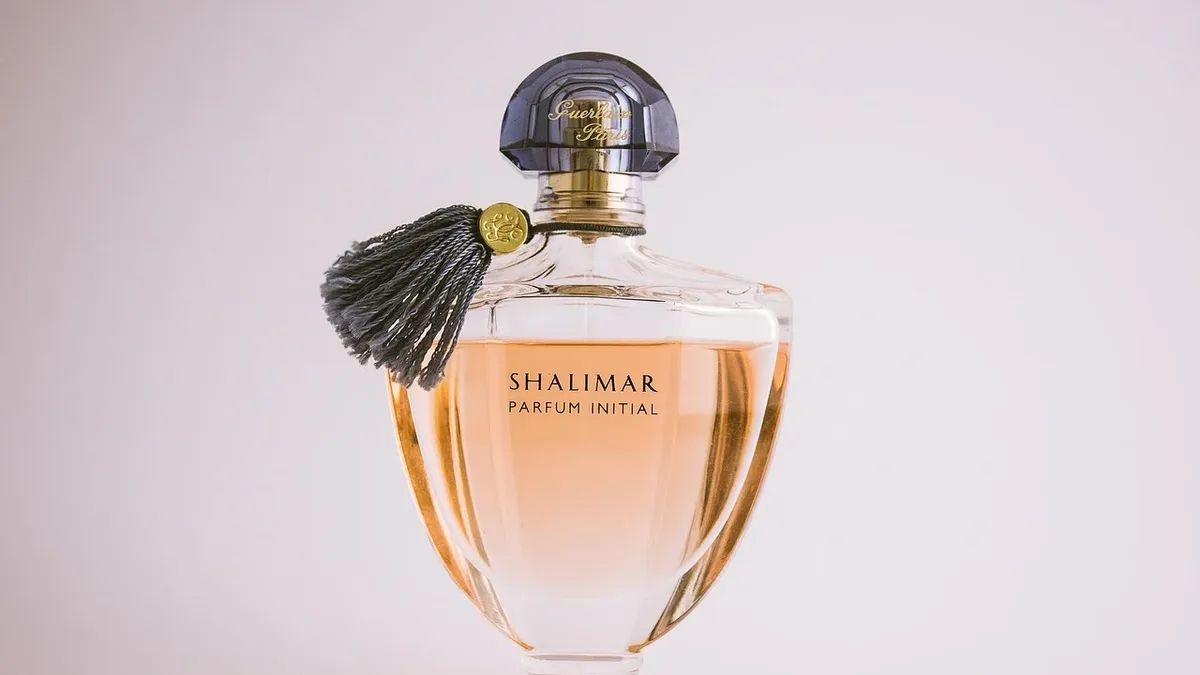
Two distinct narratives highlight the depth of fragrance culture this week. The Jasmin Prize, a long-standing award for fragrance communication, announces its return for 2026. Separately, a detailed personal review explores the legendary composition and history behind the vintage 1989 Guerlain Samsara parfum.
Jasmin Prize Revival
The Jasmin Prize will return in 2026 after a multi-year hiatus. Originally created in 1983 by the Comité Français du Parfum, the award is now being revived by the Fragrance Foundation France with support from L'Oréal Luxe France. Its mission remains to highlight diverse talents who help the public understand and appreciate perfume culture through various forms of expression.
The prize recognizes contributions across five categories: written press, web content, photography, influence, and books. An additional Jury's Favorite award is also given. A jury of 17 personalities from the worlds of perfume, journalism, literature, photography, and cultural institutions, chaired by historian Élisabeth de Feydeau, has already selected the winners for this upcoming edition.
The winners include Lionel Paillès for best written press article, Johanne Courbatère de Gaudric for best web content, and the team of Émilie Erbin and Marie-Noëlle Perriau for best photography. Angelo Danmade won for best influencer content, while perfumer Carlos Benaïm, with Denyse Beaulieu, won best literary work for 'Un parcours en parfums.' The Jury's Favorite was awarded to the 'Manuel d’éveil olfactif pour petits et grands' by Sarah Bouasse and others. L'Oréal Luxe France stated its support for the prize reaffirms its commitment to perfume excellence and cultural transmission.
Vintage Samsara Review
Guerlain's Samsara parfum was created by Jean-Paul Guerlain and launched in 1989. The fragrance is famously composed around a lavish concentration of natural jasmine grandiflorum and Mysore sandalwood, reportedly between 20 and 40 percent in its original vintage form.
The review recounts the legend that Jean-Paul Guerlain created Samsara for his muse, equestrian Décia de Pauw, who favored both jasmine and sandalwood. She reportedly wore the bespoke creation for eighteen years and consistently received compliments. The name Samsara, translating from Sanskrit as the 'Wheel of Life,' presents a mystery when applied to such an overtly sensual fragrance, a contrast the reviewer finds intriguing.
From a personal perspective, the reviewer was immediately captivated by the parfum's intense voluptuousness, astounding sillage, and longevity upon its launch. They note that even during an era of powerful perfumes, Samsara required careful application. The fragrance became a signature scent for several of their friends. Reformulation was inevitable due to strict restrictions on Indian sandalwood enacted shortly after 1989. The synthetic sandalwood material Polysantol® was introduced that same year and was used to partner with the natural ingredient, adding diffusivity and a creamy quality. Further adjustments have been necessary in recent years as materials like Polysantol® themselves face new regulations.