Heritage Fragrance Houses Dominate Premium Sales
Despite a crowded market of new brands, established heritage fragrance houses continue to capture the majority of premium sales.
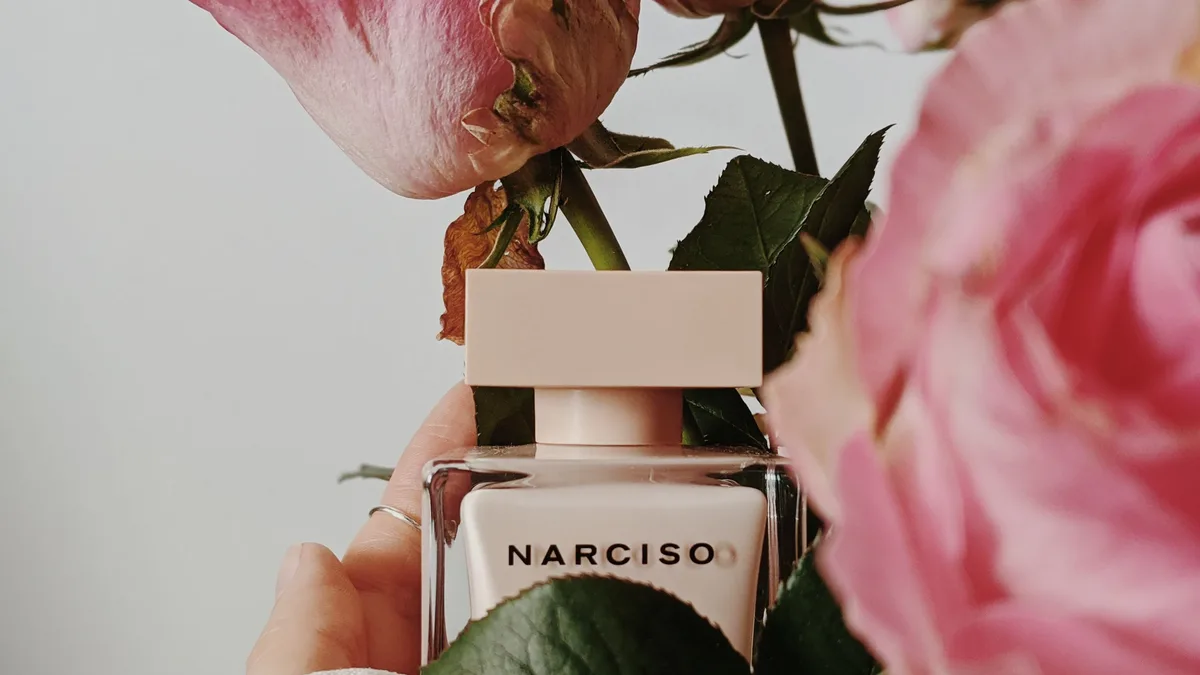
Heritage fragrance houses continue to earn the bulk of premium retail sales. This dominance persists despite a marketplace flooded with influencer-driven launches from previously unknown labels.
Fragrance is unique among luxury goods because a consumer cannot fully assess the product before buying it. This creates an irreducible uncertainty. A handbag can be examined and a piece of jewellery tried on, but a scent must be trusted to work on the wearer's skin over hours. Heritage houses have spent decades or centuries building the brand trust that bridges this gap.
When a consumer buys a new fragrance from a heritage Italian or French house, she is buying more than a single product. She is relying on the brand's track record of quality and its institutional knowledge of formulation. This implicit guarantee has tangible commercial value, explaining why newer brands struggle at the premium end regardless of product quality.
The Cost of a Major Launch
Launching a successful premium fragrance is a capital-intensive process. The development cycle from initial brief to retail shelf often spans two to three years. It involves dozens of perfumers, market researchers, designers, and brand strategists. Materials sourcing can be enormously complex, especially for ingredients requiring multi-year contracts with specific cultivators.
Marketing expenditure follows a similar pattern. A major international launch requires synchronised campaigns across multiple territories. These must be adjusted for cultural sensibilities and regulations. The effort extends beyond advertising to in-store sampling, staff training, and retail partner incentives. The total launch cost for a major fragrance from an established house can exceed twenty million euros in the first year alone.
The Scaling Challenge for Niche Brands
The past fifteen years have seen a proliferation of niche fragrance brands. Most struggle to scale beyond a certain ceiling for structural reasons. Premium retail distribution remains tightly controlled, with department store buyers preferring brands that guarantee consistent sell-through. Scaling production requires robust quality control systems for batches numbering in the hundreds of thousands.
Distribution is particularly demanding for alcohol-based fragrances due to shipping restrictions. Compliance with varying international cosmetic safety regulations requires legal infrastructure few small brands can afford. By the time a niche brand develops these capabilities, it often raises so much capital it becomes acquisition fodder for larger players.
The Designer Brand Advantage
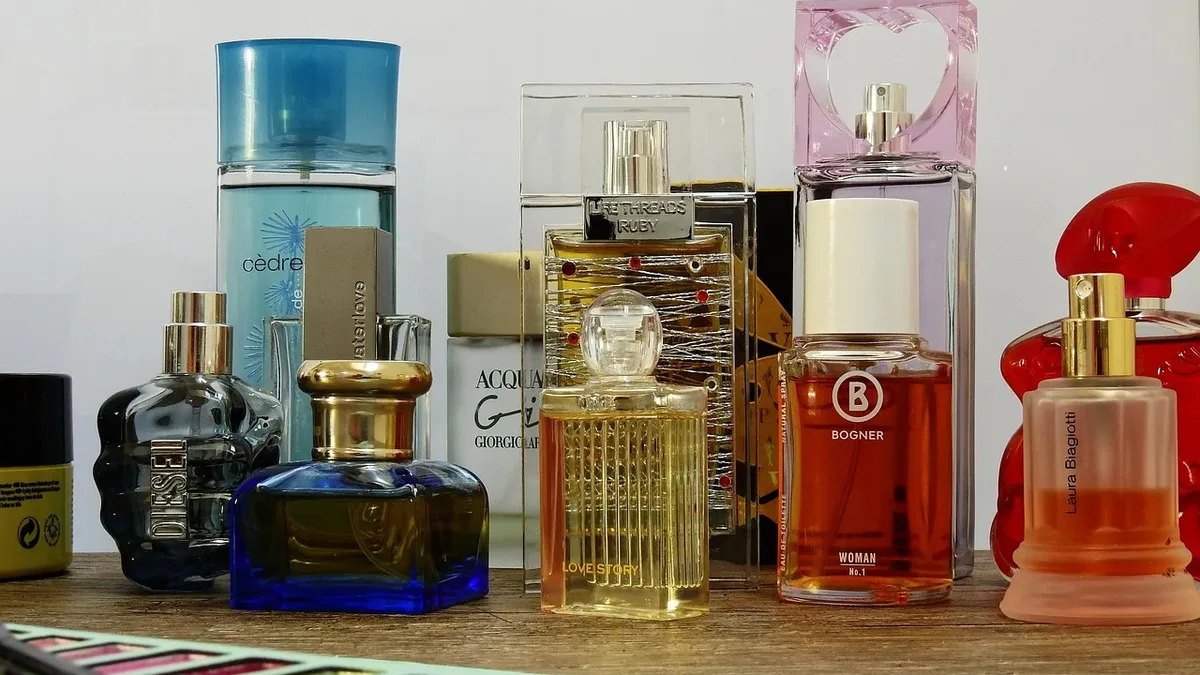
Houses combining fashion and fragrance under a single brand possess particular advantages. The fashion business creates ongoing cultural relevance that supports fragrance. The fragrance business, in turn, generates higher margins that can subsidise more capital-intensive fashion operations. This symbiosis has been refined over decades by houses like Armani.
The designer-fragrance partnership provides natural touchpoints for brand storytelling. Runway shows can feature scent profiles linked to upcoming launches. Brand ambassadors from fashion campaigns can extend into fragrance marketing. The visual language of ready-to-wear translates into coherent bottle design and advertising aesthetics. This integrated approach is difficult for fragrance-only brands to replicate.
Generational Brand Transmission
An underappreciated aspect of heritage dominance is how brand preferences transmit across generations. A woman who grew up watching her mother apply a particular scent develops associations that influence her own purchases decades later. This connection between fragrance memory and emotional belonging cannot be manufactured by new brands.
Heritage houses actively cultivate this dynamic. They keep classic fragrances in production for decades, recognising their role in connecting consumers to personal history. They develop new scents that reference the olfactory codes of past releases, creating a family of related fragrances for consumers to explore across a lifetime. This long-term thinking is foreign to brands focused on quarterly targets.
For retailers, the implications are clear. Heritage brands generate reliable foot traffic and predictable sell-through, deserving prominent positioning. New launches from established houses typically convert at higher rates. Sampling programmes pay better returns when exposing consumers to fragrances backed by recognised brands, as trust accelerates the conversion from sample to purchase.
A balanced assortment may include niche offerings for discovery. The commercial reality, however, is that the bulk of premium fragrance revenue continues to flow through heritage houses. Retailers who structure their assortments accordingly tend to outperform those chasing novelty. The fundamental dynamics favouring established houses are likely to persist. Brand trust is slow to build and easy to squander, giving a structural advantage to those who spent decades earning it.