Packaging design and clarity build trust for beauty brands
A report details how effective beauty product packaging must combine visual appeal with clear, explanatory information to help shoppers understand a
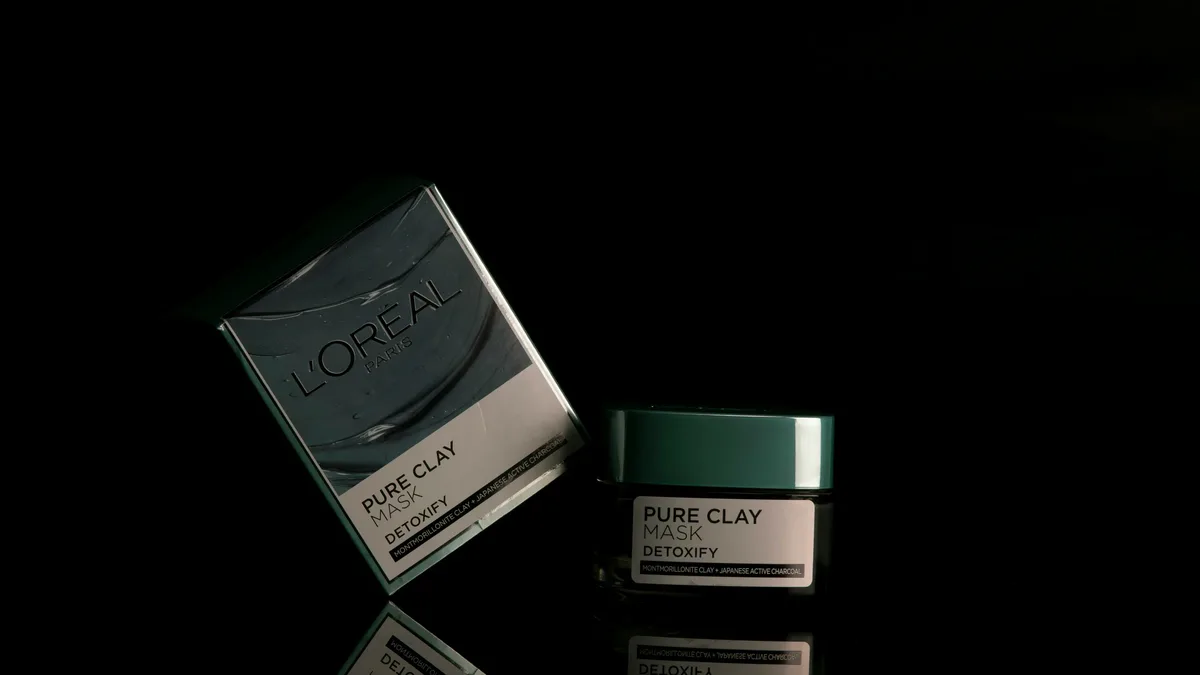
Effective beauty packaging must do more than just catch the eye. It must also provide clear, explanatory information that helps shoppers instantly understand a product's purpose and promises to build trust.
Design is the first introduction
Packaging is often a consumer's first encounter with a beauty product. Before examining ingredients or seeking reviews, the design suggests what the product is, who it is for, and its category, whether clinical skincare, natural beauty, or premium care.
Take two niacinamide serums with similar concentrations. If one clearly explains its purpose, usage, and place in a routine while the other uses vague language, the first is far easier for a shopper to assess instantly. For brands, this means positioning and messaging are as critical as colors or typography. A well-organized range should make product differences obvious through naming, hierarchy, and packaging cues, especially when several items are built around similar ingredients.
Packaging as information
While beauty packaging must stand out on a crowded shelf, appearance is only part of its job. Research links explanatory packaging with stronger purchasing behavior across skincare categories. For products featuring familiar ingredients like hyaluronic acid, retinol, peptides, or vitamin C, practical details help shoppers distinguish between otherwise similar formulas.
Details like texture, intended skin type, supporting ingredients, strength, directions, and routine placement tell a shopper more than decorative wording ever could. This practical clarity can decide whether a product is picked up or passed over. The same principle applies across larger ranges: cleansers, serums, moisturizers, and treatments need visual cohesion but must each be identifiable at a glance. Good packaging hierarchy reduces uncertainty, which is key in active-led skincare where choosing the wrong version can disrupt a routine.
Claims must be credible
Beauty shelves are saturated with benefit-led language. Phrases like 'clinically tested' or 'dermatologist reviewed' are common shorthand, but they lose impact when overused. There are also legal limits. In the US, FDA cosmetics labeling requirements mandate that labeling be truthful and not misleading. Products promoted as treating or preventing disease may instead fall under drug regulation.
For beauty companies, restrained wording is often more persuasive than an ambitious promise. The report suggests that stating exactly what a formula is developed to do gives customers something they can judge for themselves. This is particularly important for acne, aging, pigmentation, scalp care, and eyelash products, where cosmetic language can edge close to medical claims. Specific promises require equally specific support.
The back label seals the deal
A front label may earn a second look, but the back of the pack often has to earn the purchase. Ingredient lists, directions, warnings, and explanations of key actives all shape how a product is judged. Customers do not need a technical breakdown of every component, but they should easily find what the product contains, how to use it, and if it suits their routine.
This clarity is valuable beyond retail. Dermatology practices, aesthetics clinics, specialist retailers, and beauty distributors often explain products to clients with specific concerns or established skincare habits. When details are easy to find, these conversations become simpler and expectations are easier to manage.
Trust beyond the physical shelf
The modern wellness shelf is not always physical. A consumer might first encounter a product on a retailer's website, through social media, at a clinic, or via a professional recommendation. The product's story must remain consistent across all these channels. Website descriptions should match the packaging, ingredient information should not change between channels, and social media copy should not make promises the box cannot support.
earning trust on a wellness shelf is less about appearing impressive and more about being easy to understand. Shoppers need to know what a product is, what it can reasonably do, and whether the information holds up once they look beyond the front label.