Lavender and Lavandin Production in Provence
The SCA3P cooperative, supported by dsm-firmenich, manages over a quarter of global lavandin production. The article details the olfactory profiles and yields of different lavender species and lavandin hybrids, citing their use in perfumes like Burberry Goddess and Bucoliques de Provence.
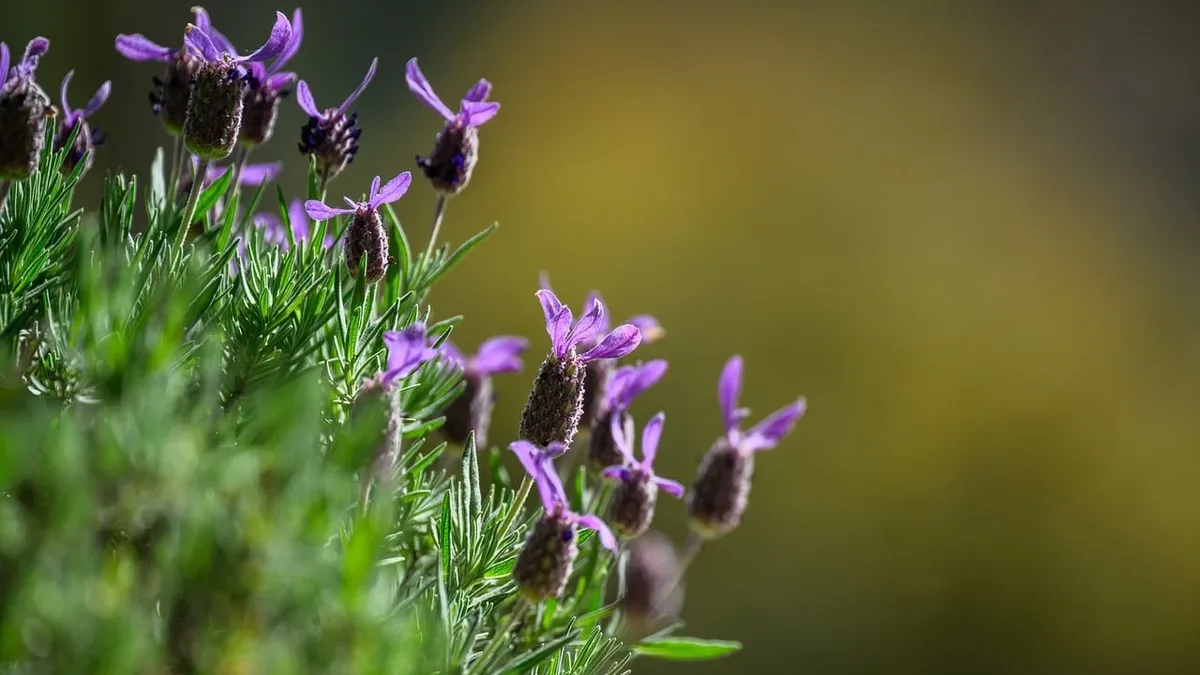
The SCA3P cooperative collects, stores, and sells the essential oils of lavender and lavandin for its roughly 200 producers. With over a quarter of the world's lavandin production, the Vaucluse-based group is a major industry player, actively supported by dsm-firmenich through a sustainable partnership for Provencal perfume plants.
Lavender Diversity and Olfactory Profiles
True lavender, or Lavandula angustifolia, grows at altitudes above 800 meters. Olfactorily, it exhales camphorated nuances with a mushroom effect. It is the most costly variety due to a low yield of about 20 kg of essential oil per hectare.
Alongside it exist different clonal lavenders. These are not genetically modified but come from selected population plants multiplied by cuttings. Among them is the widespread Maillette lavender and the more recent Diva Essence.
Diva Essence, a quality developed with dsm-firmenich, has a more floral, soft, and subtle profile with a marked linalool facet reminiscent of bergamot. It offers a better yield of about 40 kg per hectare. This variety was used in the 2023 fragrance Burberry Goddess, signed by perfumer Amandine Clerc-Marie of dsm-firmenich. The creation, which marries Diva Essence lavender with three qualities of vanilla, won a Fragrance Foundation France award.
Master Perfumer Fabrice Pellegrin also drew inspiration from these fields for L'Artisan Parfumeur's Bucoliques de Provence in 2016. The fragrance blends two lavender varieties.
Spike lavender (Lavandula latifolia) grows below 800 meters. It is markedly more camphorated, with a rosemary-like character, and plays an essential role in the history of lavandin.
Lavandin: A More Productive Hybrid
Lavandin is a natural hybrid of fine lavender and spike lavender. This sterile plant requires human intervention to reproduce and dominates production areas like the Valensole plateau, where it represents an estimated 90 to 95% of crops.
Its key feature is yield. While a hectare of fine lavender produces about 20 kg of essential oil, lavandin can yield 150 to 200 kg. This makes the material much more accessible.
The harvesting method also modulates the olfactory result. Lavandin harvested as "espieur," where only the floral parts are detached, yields a more floral, less cold and herbaceous essential oil.
Dsm-firmenich has developed a Firgood® natural lavandin extract with a more floral, less camphorated profile close to a freshly picked flower rubbed in one's hands, suited for fine perfumery.
Climate Challenges and Harvest Techniques
Harvest methods differ. Fine lavender flowers and stems are gathered to preserve quality, while lavandin is generally chopped to reduce transport volume and speed up harvesting. These gestures directly influence the olfactory profile of the obtained material.
Although perennial, lavender and lavandin remain heavily dependent on climatic conditions. A plot can be exploited for six years on average, with lifespan varying due to disease, weather, or planting year. Climate change is disrupting the schedule. The harvest, which usually starts in mid-July, was nearly finished during the visit organized by dsm-firmenich. Heat episodes are also affecting yields and forcing producers to experiment with new solutions.