
Gourmand
| Note family | Gourmand |
|---|---|
| Original use | Perfumery |
| Primary characteristic | Edible or dessert-like scent |
| Common accords | Vanilla, caramel, chocolate, almond, fruit |
| Typical ingredients | Vanilla, tonka bean, coumarin, heliotrope, ethyl maltol |
| Associated era | Late 20th century to present |
Origin and history
The gourmand fragrance family is a classification of perfumes that evoke the scent of edible, sweet foods and desserts. Its origins are firmly rooted in late 20th-century Western perfumery, marking a significant departure from traditional floral or chypre structures. The conceptual shift towards edible-smelling perfumes began to gain momentum in the 1990s, aligning with broader cultural trends in fashion and food. While not a single point of origin, the style is strongly associated with innovations from French and American perfumers and fragrance houses during this decade. The term "gourmand" itself is borrowed from French, meaning one who enjoys fine food, which directly informs the olfactory theme. This family was formally recognized and codified by fragrance classification guides in the late 1990s and early 2000s, solidifying its place in modern perfumery.
What it is for
Gourmand fragrances are designed primarily to provide a comforting, pleasurable, and often indulgent olfactory experience reminiscent of food and sweets. They serve as an alternative to more classical perfume families, appealing to a desire for warmth, familiarity, and sensuality through scent. These compositions are frequently worn to evoke positive memories associated with baking, holidays, or childhood treats, creating a personal and nostalgic aura. In a social context, they can project an approachable, cozy, and inviting personality, often perceived as less formal than other fragrance types. Their pronounced sweetness and longevity also make them popular choices for evening wear or cooler weather, where their rich character can develop fully on the skin. The category exists to satisfy a specific aesthetic craving for edible fantasy within personal fragrance, transforming the wearer into a source of delectable aroma.
Overview
A gourmand fragrance is defined by its dominant notes of food-like ingredients, often with a sweet, creamy, or sugary character. Key accords include vanilla, caramel, chocolate, honey, almond, coffee, and various spices like cinnamon and tonka bean. Modern interpretations may also incorporate synthetic molecules designed to mimic the smell of cotton candy, whipped cream, or burnt sugar. The structure often relies on a base of sweet resins, musks, or woods to provide depth and tenacity, preventing the composition from being overly simplistic or fleeting. While sweetness is central, successful gourmands balance this with contrasting elements, such as a touch of citrus for brightness or a woody note for dryness, to avoid becoming cloying. The overall effect is one of olfactory dessert, a wearable representation of confectionery and rich baked goods rather than a literal reproduction of a single food item.
What to know
Gourmand fragrances are known for their exceptional longevity and strong sillage, as their base notes are typically composed of heavy, tenacious materials like ethyl maltol, coumarin, and vanilla absolutes. It is crucial to apply them sparingly, as over-application can lead to an overwhelming scent bubble that may be perceived as unpleasant by others in close quarters. The family has evolved to include sub-genres such as "floral gourmand," which blends sweet notes with white flowers, and "oriental gourmand," which amplifies richness with amber and incense. Climate significantly affects their performance; they often shine in cool or cold weather but can become stifling and overly sweet in high heat and humidity. Many mainstream and niche perfume houses have a gourmand offering, making it a highly commercial and widely available category. Understanding that a gourmand is a stylistic choice rather than a single note helps in evaluating its complexity and artistry within the broader perfume landscape.
Common questions
A common question is whether gourmand fragrances smell exactly like a specific food, such as a chocolate bar or a piece of cake; the answer is typically no, as perfumers artfully blend food notes with abstract elements to create a wearable, evolving scent. People often ask if these perfumes are suitable for men, and while marketed primarily to women, many unisex and masculine fragrances incorporate gourmand elements like coffee, whiskey, or tobacco alongside sweet notes. Many wonder about the difference between a gourmand and a vanilla-centric fragrance; a gourmand is the overarching family, while vanilla can be a note within many families, but in a gourmand, it is presented in a distinctly edible, dessert-like context. A frequent concern is if they attract insects; while the sweet smell may theoretically be appealing, the other chemical components in perfume generally deter insects, making it a negligible everyday risk. Users commonly inquire about the best time to wear them, with the general consensus being evenings, autumn, and winter, though lighter interpretations exist for daytime. Finally, a recurring question is about their appropriateness for the office, which depends on the specific fragrance's potency and the formality of the environment, with subtle skin-scent gourmands being safer choices.
Pros and cons
A significant pro of gourmand fragrances is their comforting and mood-enhancing quality, often triggering positive emotional responses and feelings of warmth and indulgence. They generally offer excellent value in terms of longevity and projection, requiring less frequent reapplication than many lighter fragrance types. The wide variety within the family allows for exploration from photorealistic single-note scents to complex, architectured compositions. A primary con is their potential to become cloying or sickly sweet, especially in warm environments or if over-applied, which can lead to headaches for the wearer or those nearby. The common mistake is choosing a gourmand based solely on its listed notes without testing it on skin, as body chemistry can amplify sweetness or turn pleasant notes sour. Individuals who prefer clean, fresh, or classical perfume styles often regret choosing a gourmand, finding it too heavy, juvenile, or lacking in the sophistication they seek from a fragrance.
Who it suits
Gourmand fragrances suit individuals who enjoy sweet, comforting scents and wish to project an aura of approachability, warmth, and sensuality. They are particularly well-matched for those who live in cooler climates or seasonal wearers looking for a signature scent for autumn and winter months. People with a nostalgic connection to baking, candy, or specific desserts may find these fragrances personally resonant and emotionally satisfying. They can appeal to a younger audience exploring fragrance for the first time, as the familiar edible notes are often easier to appreciate than more abstract floral or woody accords. However, sophisticated and complex gourmands also suit experienced fragrance enthusiasts who appreciate the technical skill required to balance sweetness with structure and depth. Ultimately, they are best for the wearer who seeks a perfume that is primarily an olfactory treat for themselves, offering a consistent and cozy scent experience throughout the day.
Latest Gourmand news
Latest reporting
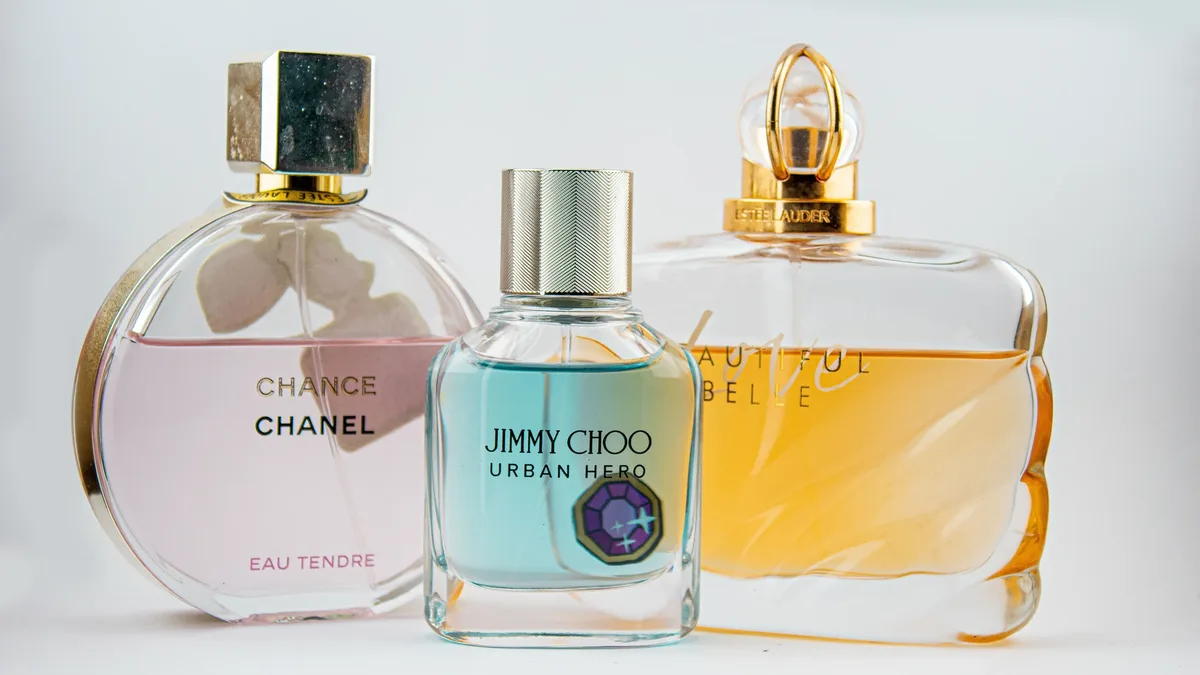
Allure's 2026 Best of Beauty Scent Winners Announced
Allure has revealed its 19 Best of Beauty Scent winners for 2026, spanning categories from floral to gourmand. The list includes fragrances from D.S.

Mancera Mochi Musk Review: A Quiet Gourmand Musk
Olya Bar reviews Mancera's 2026 fragrance Mochi Musk, a soft gourmand musk with notes of pistachio, ice cream, and rice powder, created by perfumer...