Sephora Europe
| House | Sephora |
|---|---|
| Original use | Retailer of beauty products and perfumery |
| First created | 1970 |
| Country of origin | France |
| Product focus | Cosmetics, skincare, fragrance, and beauty accessories |
| Store format | Standalone boutiques and shop-in-shops |
| Geographic presence | Operates across multiple European countries |
Origin and history
Sephora Europe originates from France, where the parent company was founded in the late 1960s. The Sephora brand itself was established in 1970, with its first store opening in Limoges. The expansion into Europe beyond France began in earnest during the 1990s, following the acquisition of the chain by the luxury group LVMH. This period marked a strategic push to establish a pan-European presence in the beauty retail market. This European origin and retail philosophy fundamentally shaped its identity as it grew into a dominant beauty destination across the continent.
What it is for
Sephora Europe operates as a multi-brand selective perfumery and cosmetics retailer. Its primary function is to provide a centralized retail space offering a vast array of beauty products from numerous competing brands under one roof. The stores are designed for discovery, allowing customers to test fragrances, makeup, and skincare before purchase without the need for assistance. It serves as a crucial distribution and marketing platform for both established luxury houses and emerging niche brands seeking exposure. The retailer also develops and sells its own private label line of products, offering more accessible alternatives to branded goods. Furthermore, it provides related services such as beauty consultations, makeup applications, and fragrance profiling to enhance the customer experience.
Pros and cons
The consistent open-sell policy across most markets empowers customers to explore products at their own pace without immediate sales pressure. However, the overwhelming breadth of choice can be paralyzing for some shoppers, leading to decision fatigue without guided assistance. The store environment, especially during peak times, can become crowded and hectic, with popular testers often damaged, depleted, or unsanitary. Customers who prefer a more curated, brand-dedicated experience with deep product knowledge often find the Sephora model impersonal and overwhelming. A common mistake is purchasing a fragrance based solely on initial top notes tested in a busy store, without allowing the dry-down to develop on the skin, leading to frequent returns or disappointments.
Who it suits
Sephora Europe best suits beauty enthusiasts who enjoy autonomous discovery and experimenting with a wide variety of products and brands without a predetermined shopping list. It is ideal for consumers seeking convenience, as it aggregates a vast spectrum of the beauty market into one destination, saving time compared to visiting individual brand boutiques. The model appeals to younger customers or those new to prestige beauty, as the low-pressure environment and ability to test freely lower the barrier to entry. It also caters to pragmatic shoppers who wish to directly compare formulas, shades, or prices between competing brands side-by-side before making a purchase decision. However, it is less suited to shoppers seeking highly specialized, in-depth expertise on a single brand or those who value a serene, appointment-based luxury retail experience. Ultimately, it serves a broad demographic but particularly resonates with those who view beauty shopping as an interactive and exploratory activity.
Latest Sephora Europe news
Latest reporting
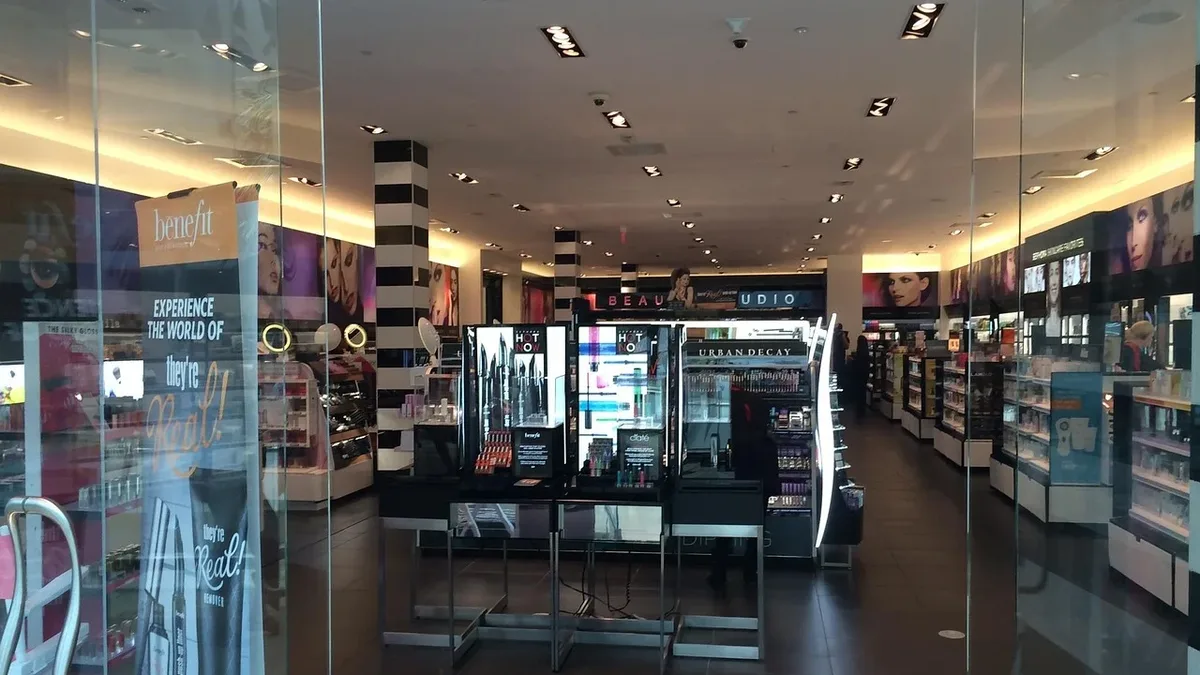
Rhode Expands into Sephora Europe September 2026
Rhode launches across 19 European countries at over 500 Sephora stores on September 30, 2026, featuring exclusive products and immersive retail
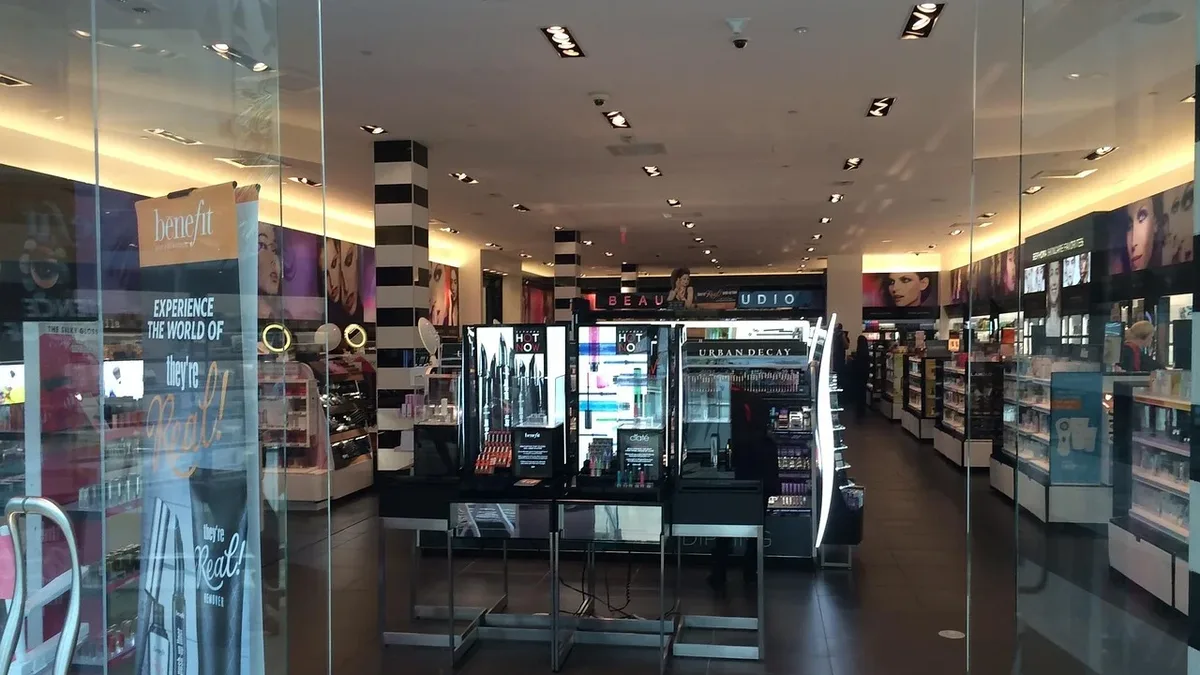
Sephora Partners with M&S for UK Shop-in-Shops from Spring
Sephora will launch dedicated beauty spaces in 100 Marks & Spencer stores and online in spring 2027, creating a new prestige beauty destination...
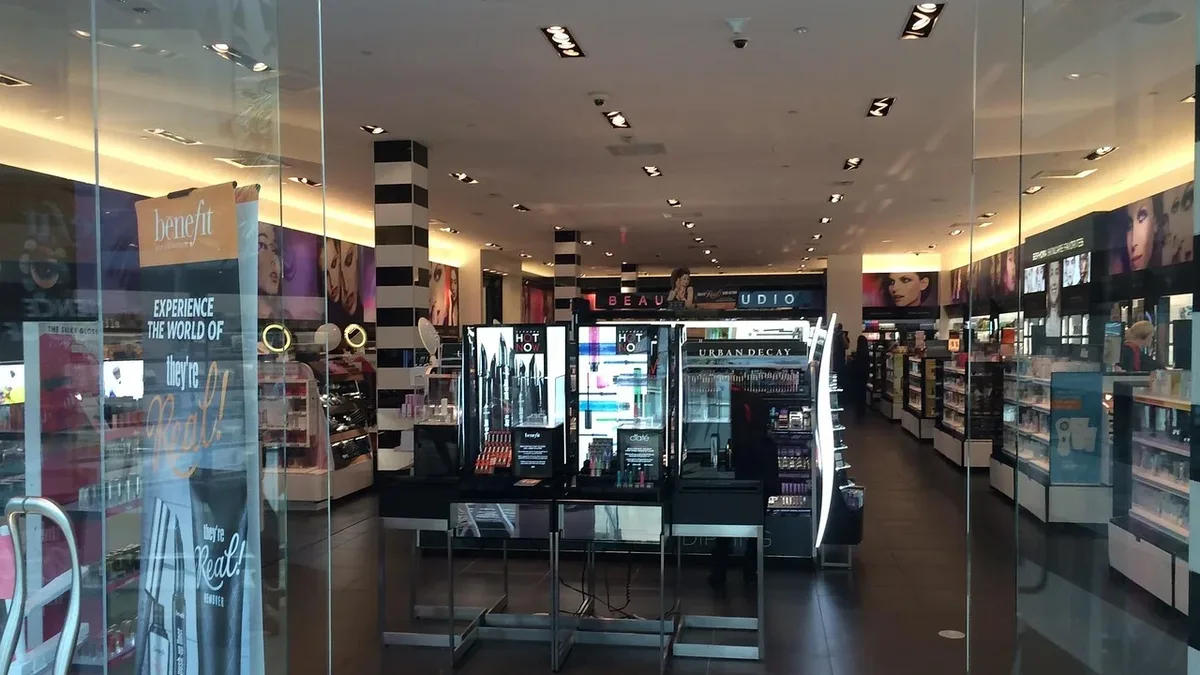
KAYALI Launches in China Through Sephora Partnership
KAYALI enters the Chinese market on October 15, 2026, via more than 300 Sephora stores and digital platforms, marking its first major Asian expansion...
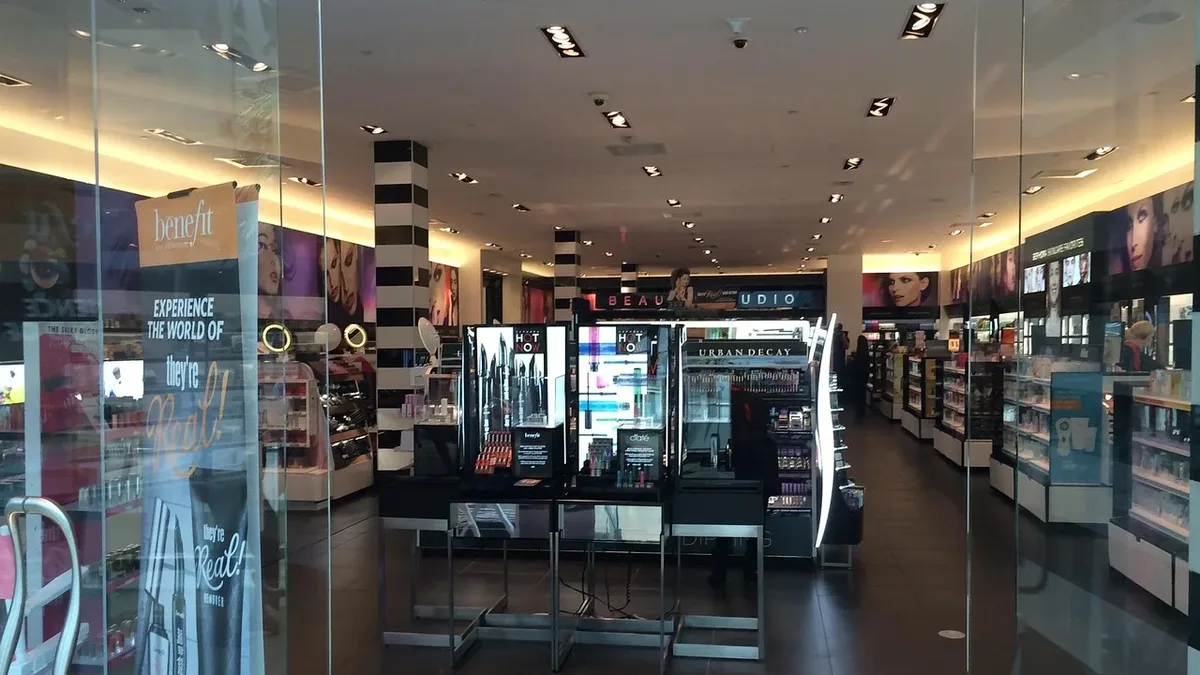
Renude Report Details AI's Role in Beauty Commerce
Renude's fourth insights report analyzes the shift to agentic AI in beauty shopping, highlights Medik8's Sephora launch using its technology, and...

Douglas Reports Q3 Revenue Decline, Accelerates Digital Shift
Douglas, Europe's largest beauty retailer, reported a 2.0% revenue decline in Q3 2025/2026, driven by weak demand in Germany, France, and the...
Kenneth Benaim Campbell Appointed CEO of Oriflame
Oriflame, the Swedish cosmetics company, has named Kenneth Benaim Campbell as its new CEO, succeeding Anna Malmhake. Benaim Campbell brings over 30...