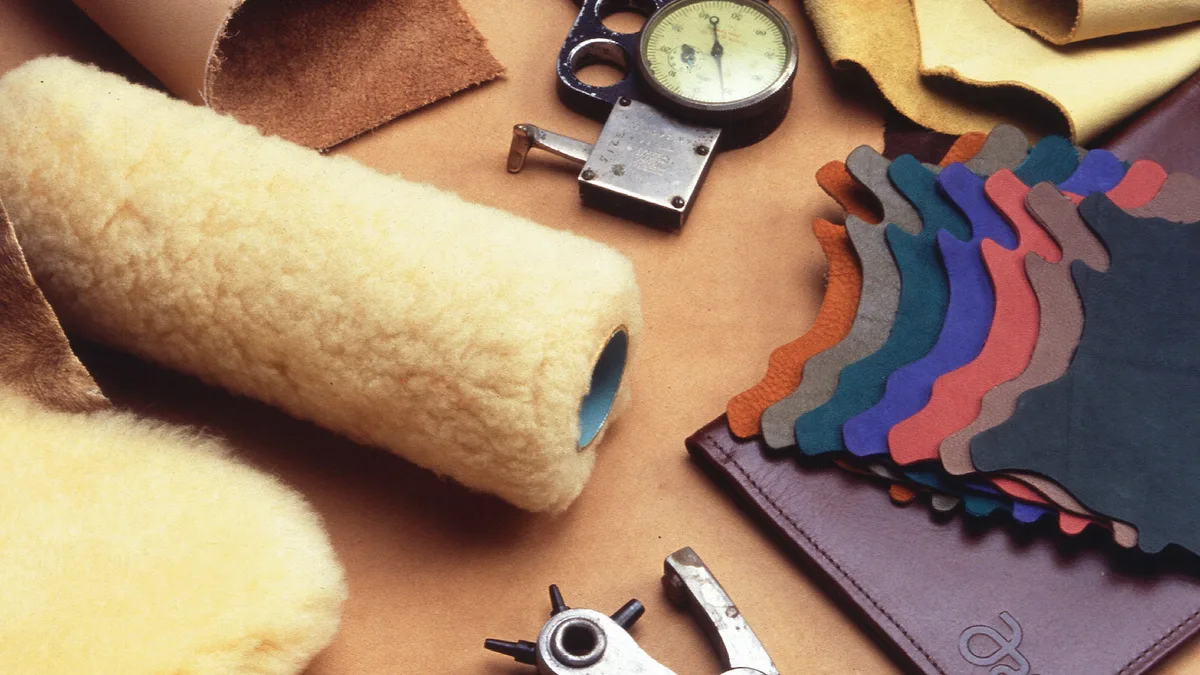
Leather
| Composition name | Leather |
|---|---|
| House | Memo Paris |
| Perfumer | Alienor Massenet |
| First created | 2007 |
| Fragrance family | Leather |
| Key notes | Leather, suede, iris, saffron, styrax |
Origin and history
The leather note in perfumery originates from the long-established practice of tanning animal hides, a process developed independently by many ancient civilizations. Its deliberate use as a fragrance accord, however, emerged in Western perfumery in the early 20th century. The creation of leather scents was initially driven by a desire to evoke the luxurious, smoky aroma of fine goods like saddlery, gloves, and upholstery. Early iconic leather fragrances were launched in the 1920s and 1930s, often for women, challenging the gender associations of the material. These compositions were built on bases of birch tar, styrax, and labdanum, materials that provided the characteristic smoky, tarry, and animalic facets. The note's development was closely tied to advances in synthetic chemistry, which allowed perfumers to refine and expand upon the raw, natural materials.
What it is for
The leather note in fragrance serves to evoke the complex, warm, and often nostalgic scent of tanned hide. It is used to impart a sense of luxury, ruggedness, or classic elegance to a perfume composition. Perfumers employ it to create olfactory illusions of specific leather goods, such as a well-worn jacket, a new car interior, or a polished saddle. Beyond literal representation, the leather accord acts as a foundational base note that adds depth, tenacity, and a distinctive character to a fragrance. It frequently functions in tandem with other notes like tobacco, vanilla, or florals to create sophisticated and contrasting bouquets. Its primary purpose is not to smell like a tannery but to provide a refined, abstracted interpretation of leather's comforting and powerful aroma.
Overview
The leather accord is a constructed perfume note, not a single ingredient, blending natural and synthetic materials to achieve its signature scent. Key natural components historically include birch tar, which delivers a smoky, campfire-like quality, and labdanum, offering a resinous, ambery leather character. Styrax adds a sweet, balsamic dimension, while castoreum provides an animalic, leathery nuance. Modern perfumery heavily utilizes synthetic molecules like isobutyl quinoline, which gives a dry, earthy leather impression, and suederal, which mimics the soft, plush smell of suede. The overall effect can range from intensely smoky and tar-like to soft, powdery, and suede-like, depending on the materials emphasized. This versatility allows the note to be featured in fragrances across many olfactory families, from chypres and orientals to fougères and modern niche creations.
What to know
Authentic leather fragrance does not derive directly from leather itself but is an artistic reconstruction using aromatic chemicals and natural extracts. The character of a leather note can vary dramatically: "Russian leather" styles are typically smoky and birch tar-forward, while "suede" accords are softer and often paired with iris or violet. Leather notes are notoriously long-lasting and potent, often dominating the base of a fragrance and evolving slowly on the skin. They are historically significant in several classic fragrance genres, most notably the leather chypre, which combines leather with oakmoss and bergamot. Potential wearers should be aware that some classic leather materials, like birch tar, are now restricted due to allergen regulations, altering the profile of modern interpretations. Understanding that leather is a broad spectrum, from abrasive to buttery, is crucial when selecting a fragrance featuring this note.
Common questions
Is the leather note in perfume made from real leather? No, it is created through a blend of aromatic materials that mimic the scent. Why do some leather fragrances smell like smoke or rubber? This is often due to the prominent use of birch tar or certain synthetic quinoline compounds. Are leather fragrances only for men? While historically marketed to men, many iconic leather scents were created for women, and the note is now considered genderless in modern perfumery. What is the difference between suede and leather notes in perfume? Suede accords aim for a softer, finer, often powdery texture, while leather can be more robust, smoky, or worn-in. Do leather perfumes last a long time? Typically yes, as they are built on strong base notes and resinous materials with high tenacity. Can leather notes cause headaches? As with any potent fragrance, the intense smokiness or animalic facets in some leather compositions may be overwhelming for some individuals.
Pros and cons
A significant advantage of a well-crafted leather fragrance is its exceptional longevity and distinctive, memorable character that often avoids commonplace fruity or sweet tropes. It can project an aura of sophistication, confidence, and timelessness. However, a common con is that certain leather accords, particularly those heavy with birch tar or animalics, can be polarizing and perceived as challenging, medicinal, or excessively smoky by others. Wearers sometimes regret choosing a full-bodied leather scent in warm climates, where it can become overpowering and cloying. A frequent mistake is purchasing based on the romantic idea of "leather" without testing how the specific blend of smoky, animalic, or rubbery facets interacts with one's skin chemistry, leading to unworn bottles. Furthermore, modern regulations have altered many classic formulas, meaning newer versions may lack the depth or radical edge of their vintage predecessors, disappointing purists.
Who it suits
Leather fragrances suit individuals seeking a scent with substantial presence, complexity, and a departure from mainstream fresh or sweet profiles. They are well-matched to those who appreciate classic perfumery, history, and notes that evolve noticeably over time. The smokier, tar-laden leathers often appeal to wearers who enjoy rugged, outdoorsy, or vintage-inspired aesthetics and who value uncompromising character over immediate likability. Softer suede and iris-leather blends suit those desiring a luxurious, plush, and more subtly refined impression, often appealing in formal or intellectual settings. Ultimately, it suits the patient wearer, as these fragrances frequently require time to settle and reveal their full depth, and they are not typically designed for fleeting or anonymous appeal.