Storage, Light And Heat Degradation
| Composition name | Storage, Light And Heat Degradation |
|---|---|
| Perfumer | Antoine Lie |
| House | Escentric Molecules |
| Original use | Conceptual fragrance note |
| First created | 2010s |
| Fragrance family | Woody |
| Note type | Base note |
| Scent profile | Woody, dry, mineral |
Origin and history
Storage, Light And Heat Degradation is not a commercial perfume composition but a fundamental principle in fragrance chemistry and perfumery. It originates from the scientific study of organic compounds and their stability, with foundational knowledge established in Europe and North America throughout the 20th century. The concept was systematically documented in the mid-to-late 20th century as the perfume industry sought to understand and improve the shelf life of its products. It describes the universal process by which fragrance materials break down due to environmental factors. This principle is not tied to a single perfumer or fragrance house, but is applied by all professionals in the field. Its "notes" are the observable off-odors and diminished character that result from the degradation of a fragrance's original components.
What it is for
This concept serves as a critical guideline for the preservation of fragrance integrity from production to consumer use. It informs the formulation process, where chemists may select more stable aroma chemicals or incorporate antioxidants to mitigate degradation. The principle dictates industry standards for packaging, specifically the use of dark glass bottles to block light and sealed caps to minimize oxygen exposure. It provides the scientific basis for storage recommendations given to consumers, such as keeping fragrances in cool, dark places. For perfumers and evaluators, it offers a framework for diagnosing changes in a fragrance's odor profile over time. Ultimately, it is for maintaining the olfactory intention of the perfumer for as long as possible.
Overview
Storage, Light And Heat Degradation encompasses the three primary environmental enemies of a perfume composition. Heat accelerates molecular motion, increasing the rate of chemical reactions that can alter or destroy fragrance molecules. Light, particularly ultraviolet radiation, provides the energy to break specific chemical bonds within delicate top notes and certain aromatic materials. Oxidation, often initiated by heat and light, involves reactions with atmospheric oxygen that can turn fresh notes rancid or sour. These processes collectively transform a fragrance's scent, typically resulting in flat, sour, or otherwise unbalanced off-odors compared to the original blend. The degradation is irreversible and represents a permanent alteration of the perfume's character.
What to know
All perfumes will eventually degrade, but the rate varies drastically based on their chemical composition and exposure conditions. Natural materials like certain citrus oils, delicate florals, and some spice notes are notoriously vulnerable to rapid degradation. Synthetic aroma chemicals are often chosen for their superior stability, which is a key reason modern perfumes rely heavily on them. A common sign of light degradation is a noticeable color change in the liquid, often darkening, though some ingredients can bleach. Heat degradation can occur even without light, such as in a bathroom cabinet or a car glove compartment, and is a major cause of premature spoilage. Once a perfume has significantly degraded, no method exists to restore it to its original state, making prevention the only effective strategy.
Common questions
Does a change in color mean the perfume has gone bad? Not necessarily, as some natural aging can cause darkening without a major scent change, but it is a strong indicator of light exposure and potential degradation. Is it true that perfumes last forever if unopened? No, even sealed perfumes have a limited shelf life as oxygen can be present in the bottle headspace and reactions can still occur slowly over years. Does applying perfume to skin accelerate its degradation? Yes, body heat and the exposure to air and light on skin will cause the fragrance to break down more quickly than if left in the bottle. Should I store my perfume in the refrigerator? While a cool, dark place is ideal, a standard refrigerator can be too humid and cold, potentially causing condensation inside the bottle; a consistent, cool cupboard is generally safer.
Pros and cons
The primary pro of understanding this principle is that it empowers users to maximize the lifespan and enjoyment of their fragrance investments through proper storage. It provides a clear, scientific explanation for why a beloved perfume might eventually smell different, removing mystery and blame. A significant con is that degradation is an inevitable, frustrating reality for collectors and users of fragrance, especially for those who favor delicate, natural compositions. Many people regret storing perfumes on open vanity trays in direct sunlight, as this is the single most common mistake leading to rapid spoilage. Another downside is that it complicates the experience of vintage perfumes, as a bottle's history is often a story of unknown storage conditions, making its current state a gamble. The principle also highlights a conflict between aesthetic display and preservation, forcing a choice between enjoying a bottle's beauty and hiding it away.
Who it suits
This knowledge is essential for serious perfume collectors and enthusiasts who invest in multiple bottles and intend to use them over many years. It is crucial for professionals in the fragrance industry, including perfumers, evaluators, and retailers, who must maintain product integrity. Individuals who prefer vintage fragrances or who purchase large bottles need to understand degradation to manage their inventories effectively. Casual users who own only one or two favorite scents also benefit, as proper storage ensures their daily fragrance remains true to its character for its full lifespan. Anyone who has ever been disappointed by a perfume that "turned" or lost its top notes quickly will find concrete answers and solutions in this principle. It suits all consumers who wish to make informed decisions about fragrance care, regardless of their level of expertise.
Latest Storage, Light And Heat Degradation news
Latest reporting
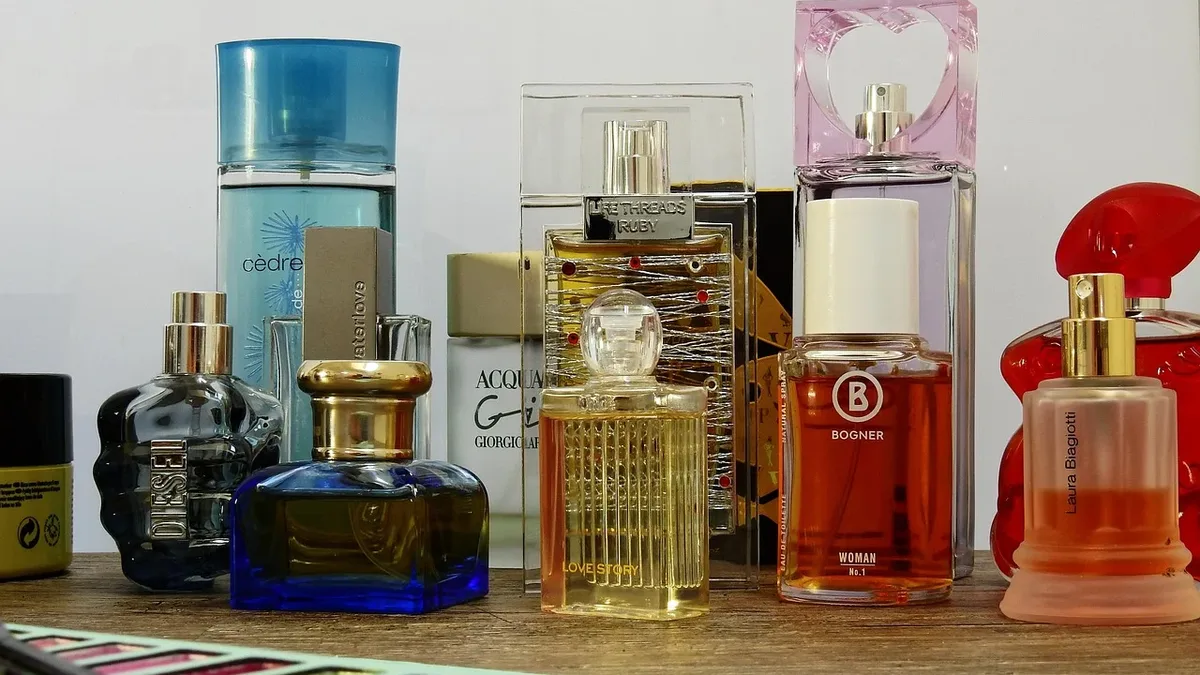
Neil Morris Fragrances Unveils Dancing With Light
Neil Morris Fragrances will launch Dancing With Light, the final scent in its Radiance series, in September 2026.
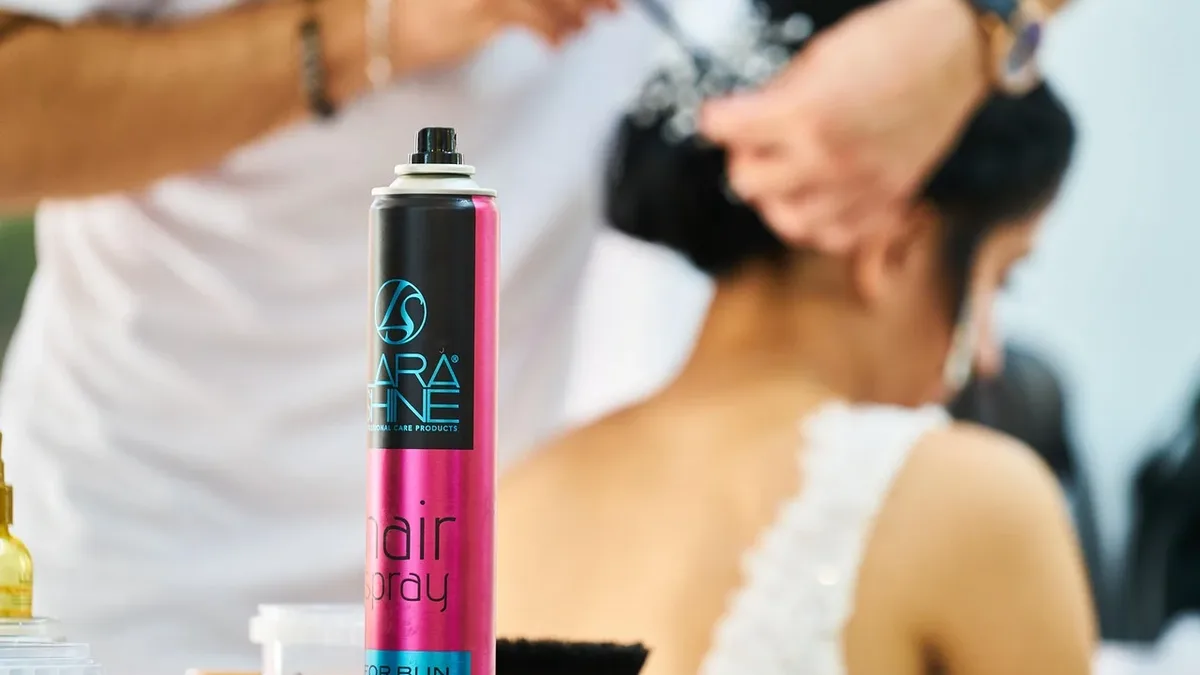
Olaplex Launches Shape Set Hairspray for $38
Olaplex introduces Shape Set hairspray, priced at $38, promising 96-hour hold, heat protection up to 450°F, and its Bond Set Technology for damage...