The Declared Fragrance Allergens And The 2023 Expansion
| Composition name | The Declared Fragrance Allergens And The 2023 Expansion |
|---|---|
| First created | 2023 |
| Original use | Conceptual art piece / olfactory installation |
| House | Sissel Tolaas (Smell Lab Berlin) |
| Perfumer | Sissel Tolaas |
| Notes | Synthetic fragrance allergen molecules (e.g., linalool, limonene, geraniol) |
| Country of origin | Germany |
Origin and history
The regulatory framework known as the Declared Fragrance Allergens originates from the European Union in the late 20th century, specifically established in the early 2000s. Its creation was driven by a need to standardize consumer safety information regarding potential allergenic substances in cosmetic and perfumery products. The initial list was formally codified under the EU Cosmetics Directive and later the EU Cosmetics Regulation (EC) No 1223/2009. The system mandates that if any of the listed allergens are present above a specific concentration in a leave-on product, they must be explicitly named on the ingredient label. This legislation was developed through scientific review by the Scientific Committee on Consumer Safety (SCCS), which assessed substances known to cause allergic contact dermatitis. The 2023 Expansion refers to a significant regulatory update that came into force in that year, following years of scientific evaluation and stakeholder consultation.
What it is for
This regulatory framework serves to inform consumers with fragrance allergies or sensitivities about the specific ingredients within a product. Its primary purpose is to facilitate avoidance of known allergens, thereby helping to prevent allergic contact dermatitis, a common skin condition. For regulatory bodies, it provides a standardized list for enforcement and ensures consistent labeling across the single market. For manufacturers and perfumers, it establishes clear compliance requirements for product formulation and labeling for items sold within the EU and other adopting markets. The system is not a ban on these substances but a transparency mechanism, allowing informed consumer choice. The 2023 Expansion specifically updates this list to reflect the most current scientific understanding of fragrance allergens, broadening consumer protection.
Overview
The Declared Fragrance Allergens list comprises specific chemical substances and natural extracts identified as common culprits for allergic reactions. As of the 2023 Expansion, the list has been expanded from 26 to 82 individual allergens that require mandatory labeling. These substances include both synthetic aroma chemicals, such as Lyral and HICC, and natural components found in essential oils, like limonene and linalool. The requirement applies to rinse-off cosmetics if the concentration exceeds 0.01% and to leave-on cosmetics if it exceeds 0.001%. The regulation covers a wide range of products including perfumes, eau de toilette, skincare, haircare, and deodorants. The updated list now encompasses a broader spectrum of materials frequently used in modern perfumery, significantly changing how a fragrance's composition is communicated on an ingredient label.
What to know
Consumers should understand that the presence of a listed allergen on a label does not automatically mean the product will cause a reaction, as individual sensitivity varies greatly. The 2023 Expansion means ingredient lists on new products will become substantially longer and more chemically specific, often listing compounds like "Evernia furfuracea extract" instead of just "treemoss." It is crucial to know that some allergens, like limonene, can be present both as added fragrance and as a natural component of non-fragrance ingredients, but only their fragrance function triggers labeling. The regulations are geographically specific, primarily enforced in the EU, UK, and some other regions, but not globally, so products purchased elsewhere may have different labels. Perfume houses have had to reformulate many existing fragrances or update their packaging to comply with the new 2023 requirements. Familiarizing oneself with the scientific names on the list is necessary for effective allergen avoidance.
Common questions
A common question is whether fragrances labeled "hypoallergenic" or "natural" are free from these declared allergens, and the answer is no, as these terms are not legally defined in this context and natural oils often contain many listed substances. People often ask if the expansion bans their favorite perfume, and while some classics may be reformulated, the change primarily affects labeling and may lead to ingredient substitutions. Many wonder why common ingredients like linalool are listed, given their prevalence, which is due to their recognized allergenic potential despite being widely used and generally safe for most. Consumers frequently question how to identify an allergen in a complex ingredient list, requiring them to learn the specific INCI names as they will not be highlighted. Another frequent inquiry is whether this applies to products purchased online from outside the EU, where enforcement may not reach the consumer directly. Individuals also ask if patch testing is still advised, and medical guidance strongly recommends it regardless of label information, as sensitivity is personal.
Pros and cons
A major pro is the enhanced transparency and empowerment for allergy sufferers, allowing for more precise avoidance and reducing the risk of painful skin reactions. The updated 2023 list reflects modern science, closing a gap where many newer or previously unlisted common allergens flew under the regulatory radar. For the industry, it drives innovation in perfumery, pushing chemists to develop novel aroma molecules with lower allergenic potential. A significant con is the increased complexity of ingredient labels, which can overwhelm consumers without a chemistry background and may lead to unnecessary avoidance of safe products. The compliance burden is substantial for perfume houses, particularly smaller niche brands, requiring costly reformulations, retesting, and packaging changes that may alter the scent profile of beloved classics. Some critics argue the list can be misleading, as it may imply a heightened risk for substances that cause reactions only in a very small subset of the population under specific conditions.
Who it suits
This regulatory framework primarily suits and benefits consumers diagnosed with specific fragrance allergies or sensitive skin, for whom it is an essential tool for safe product selection. It is also critically important for dermatologists, allergists, and healthcare providers who advise patients on contact allergen avoidance and can use the labels for diagnostic guidance. Professional perfumers and cosmetic formulators must be deeply familiar with it, as it directly dictates the constraints and requirements of their creative and commercial work. Compliance officers and regulatory affairs professionals within the cosmetics industry require expert knowledge of these rules to ensure their companies' products are legally marketable. It is less immediately relevant for consumers with no history of skin sensitivities, though it provides them with more detailed product information. Ultimately, the system suits any stakeholder in the fragrance industry who prioritizes documented consumer safety and standardized, science-based regulation over less transparent practices.
Latest The Declared Fragrance Allergens And The 2023 Expansion news
Latest reporting
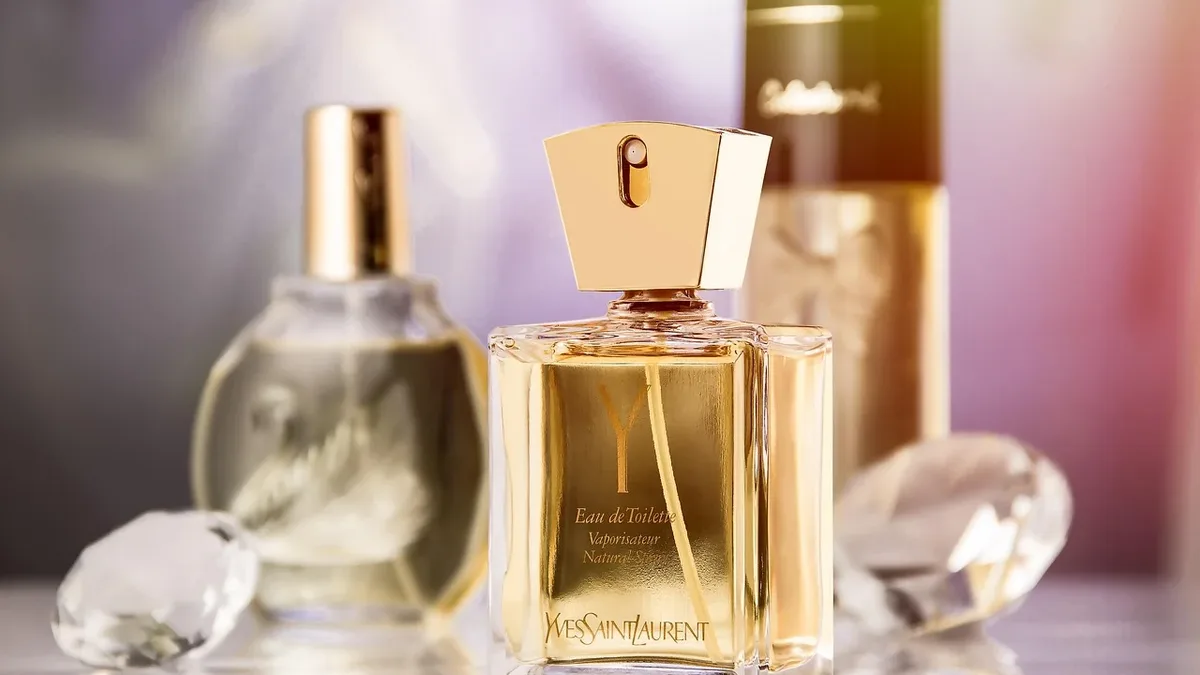
Tresalis Acquires Vyrao in Neuroscience Fragrance Deal
Tresalis, a new health and beauty platform, has acquired majority ownership of wellbeing fragrance house Vyrao.

Abolis Launches MINE Microbial Data Platform for Fragrance
Abolis Biotechnologies has launched the Microbial Intelligence Explorer (MINE) platform, designed to help R&D teams translate complex microbial and
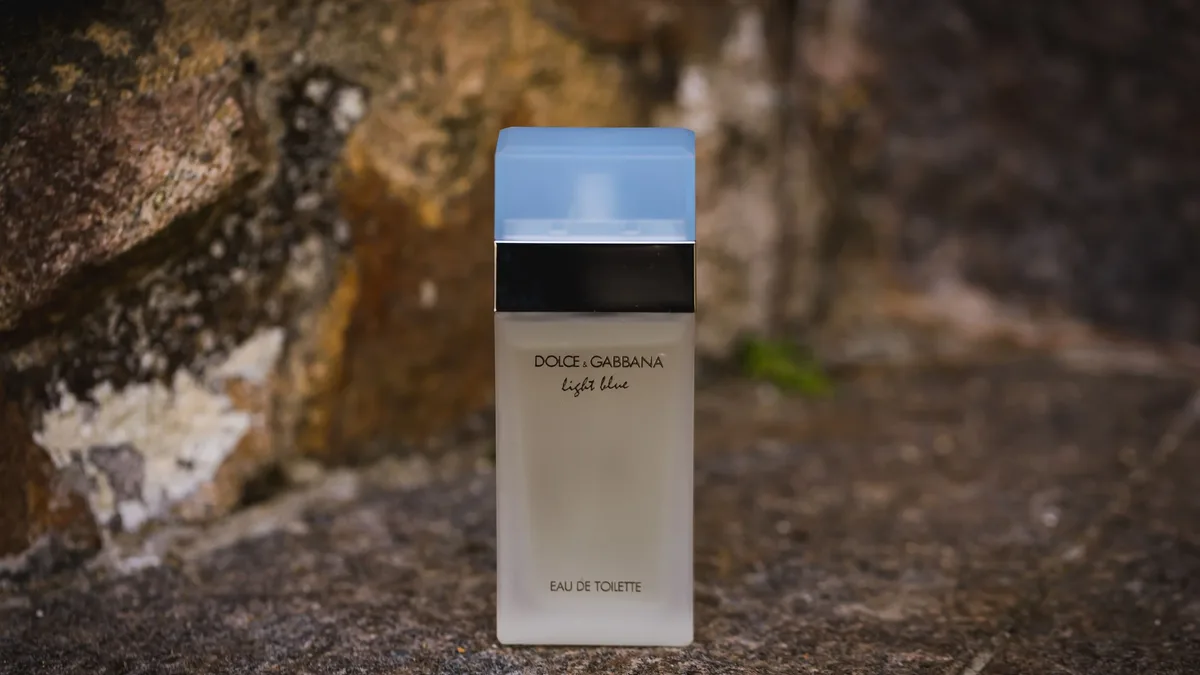
Vyrao acquired by Tresalis after five years
British fragrance brand Vyrao, founded by former fashion executive Yasmin Sewell, has been acquired by the new beauty platform Tresalis.
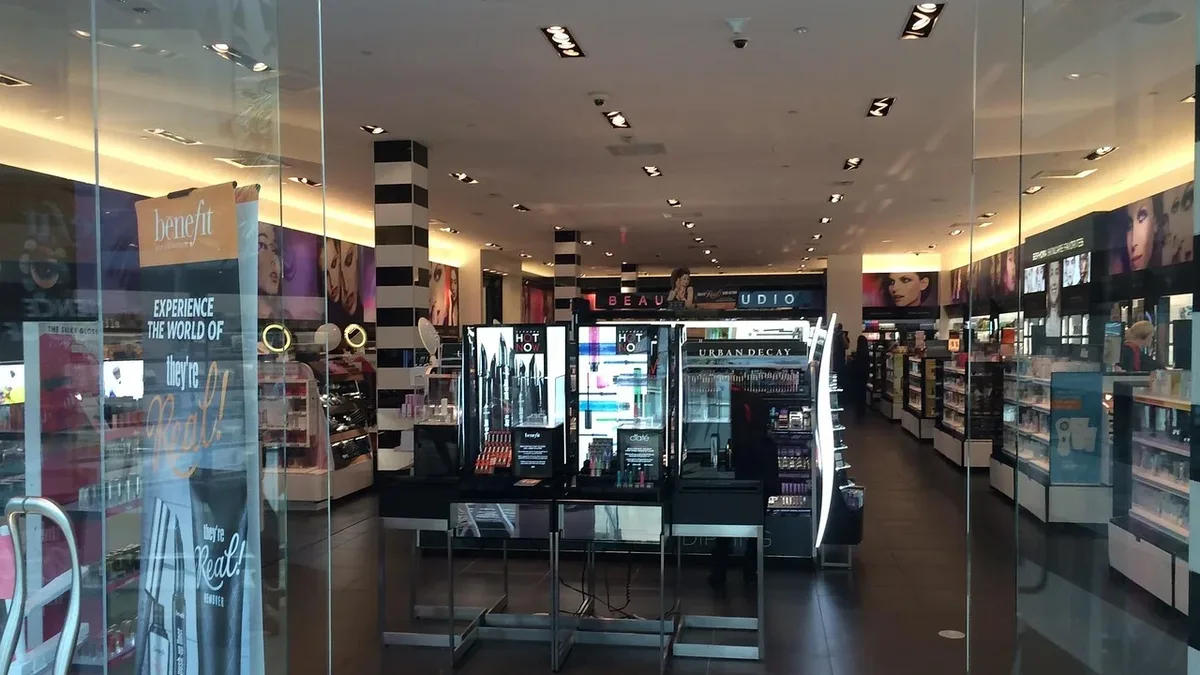
KAYALI Launches in China Through Sephora Partnership
KAYALI enters the Chinese market on October 15, 2026, via more than 300 Sephora stores and digital platforms, marking its first major Asian expansion...
Boots Launches TikTok Shop with No7 Live Event
Boots debuts its TikTok Shop on 28 September with a live shopping event focused on No7 products, marking a pilot expansion into social commerce.
Puma Signs Global Fragrance License with Interparfums
Puma has entered an exclusive worldwide fragrance licensing agreement with Interparfums, with the first scent scheduled for launch in 2027.