Tobacco And Leather Accords
| Composition type | Perfume accord |
|---|---|
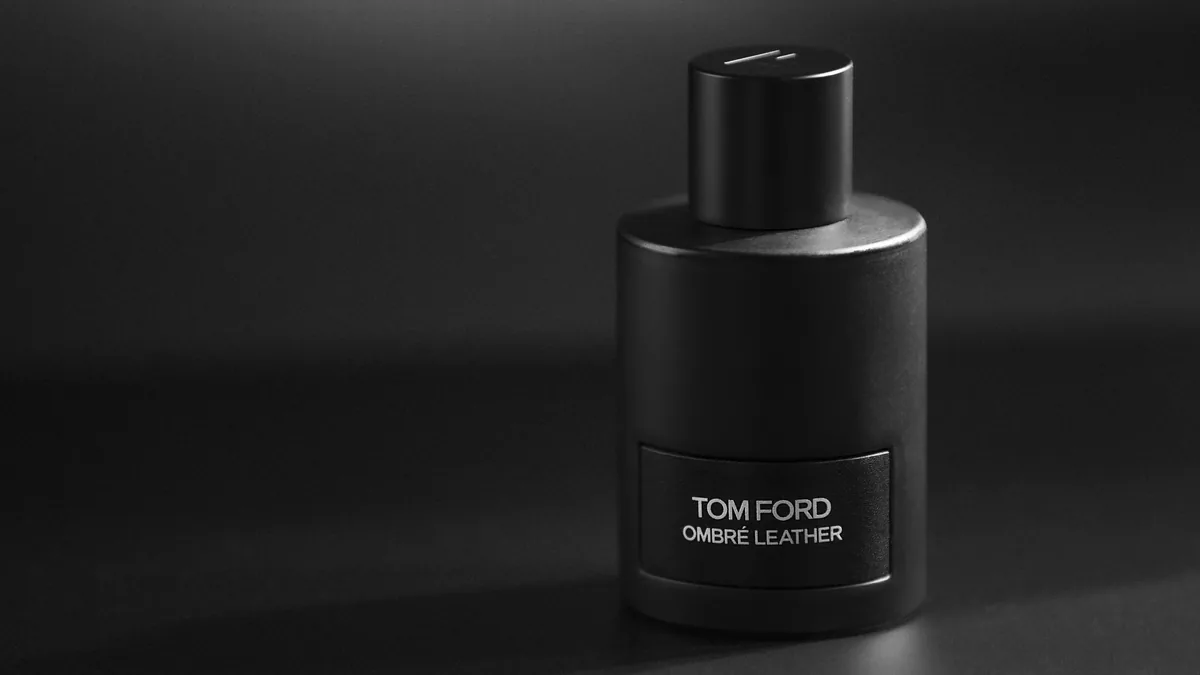
| House | Tom Ford |
| Perfumer | Olivier Gillotin |
| First created | 2010s |
| Original use | Fragrance component |
| Primary notes | Tobacco, Leather |
| Character | Warm, Dry, Woody |
| Common pairings | Amber, Vanilla, Woody notes |
Origin and history
Tobacco And Leather Accords are a foundational fragrance accord originating from Western perfumery traditions in the mid-20th century. Their development is closely tied to the rise of aromatic fougère and chypre structures for men's fragrances in the 1960s and 1970s. The accord does not originate from a single country but is a construct of modern perfumery, primarily developed and refined in fragrance hubs like France and the United States. Its creation was driven by the desire to evoke classic, masculine-associated materials through synthetic and natural aroma chemicals. The accord's widespread adoption solidified in the 1980s with its prominent use in powerhouse fragrances that defined the era. It represents a deliberate perfumery fantasy, as it seeks to recreate the impression of these materials rather than directly using large quantities of raw tobacco leaf or leather hide.
What it is for
This accord is used in perfumery to provide a warm, dry, and sophisticated aromatic foundation, often serving as a core component in a fragrance's heart or base notes. It is primarily employed to impart a classic, masculine character, evoking associations with libraries, old money, and traditional craftsmanship. The accord functions as a bridge, blending spicy, sweet, and smoky elements from the tobacco impression with the animalic, smoky, and sometimes phenolic qualities of the leather impression. Perfumers utilize it to add depth, tenacity, and a recognizable olfactory signature to compositions, particularly in oriental, fougère, and woody fragrance families. It is also deployed to modernize a scent by providing a familiar, reassuring anchor amidst more contemporary top notes. Furthermore, the accord can be used in minimalistic doses to add a subtle, textured background in more avant-garde or unisex compositions.
Overview
The Tobacco And Leather Accord is an olfactive blend designed to simulate the combined scent of cured tobacco leaves and tanned leather. It is not a single ingredient but a carefully balanced combination of materials that create this specific olfactory effect. The tobacco aspect is typically achieved through materials like tobacco absolute, hay-like coumarin, dried fruit notes, and spicy elements such as clove or cinnamon. The leather facet is constructed using materials like birch tar, isobutyl quinoline, castoreum, and smoky notes like cade oil or labdanum. When combined, these create a complex, often sweetened, smoky, and slightly animalic aroma profile with significant longevity on the skin. The accord is a staple in perfumery for creating fragrances that project an image of maturity, resilience, and refined taste.
What to know
The tobacco note in this accord rarely smells like a burning cigarette; it more closely resembles the scent of a tobacco pouch, cured leaves, or a cigar box, often with a sweet, hay-like, or honeyed nuance. The leather note is typically a refined, "suede" or "new car" leather rather than a raw, animalic hide, achieved through modern synthetic chemicals like isobutyl quinoline. These accords are heavily reliant on both natural extracts and synthetic aroma chemicals to achieve stability, cost-effectiveness, and a consistent scent profile across batches. In modern perfumery, the accord is often "cleaned up," with the more challenging animalic or tarry aspects softened to suit contemporary tastes for wearable, less challenging scents. It is crucial to understand that this is an interpretation or an impression of these materials, not a literal extraction, allowing for great creative variation between perfumers and houses. The accord's character can shift dramatically depending on whether it is paired with sweet vanilla, dry woods, fresh citrus, or floral notes in the overall composition.
Common questions
Is the accord made from real tobacco and leather? Typically not; it is a recreation using a blend of aromatic materials that may include small amounts of natural absolutes alongside dominant synthetics. Does a fragrance with this accord smell like smoke? It may contain smoky elements from birch tar or cade oil, but the overall effect is usually a dry, warm aroma rather than the acrid smell of something burning. Why do so many men's fragrances use this accord? It has become a cultural shorthand for traditional masculinity, associated with ruggedness, luxury, and classic style over many decades. Can women wear fragrances built on this accord? Yes, many modern interpretations are designed as unisex, focusing on the textural and aromatic qualities rather than a gendered stereotype. How long does a fragrance featuring this accord usually last? Due to the materials commonly used in its construction, it is generally a base note accord, contributing to very long longevity, often lasting eight to twelve hours or more. Are there significant variations between different perfumer's interpretations? Absolutely, with some versions leaning sweet and ambery, others dry and woody, and some highlighting the more animalic or smoky facets of the leather component.
Pros and cons
A significant pro of this accord is its ability to provide immediate depth, complexity, and recognizable classic character to a fragrance composition, often requiring less developmental work for a perfumer than building a novel accord from scratch. It offers excellent tenacity and projection due to the nature of its component materials, making it a reliable choice for creating long-lasting scents. However, a common con is that its very recognizability can lead to a lack of originality, with many fragrances smelling overly similar or derivative when relying too heavily on a standard interpretation of the accord. The accord can also be challenging to wear in high heat or humid climates, where its dense, warm character may become cloying or feel oppressive rather than comforting. A frequent mistake is for wearers to assume a fragrance with this accord will be subtle; in reality, even modern versions can be potent and require careful application to avoid overwhelming a small space. Those who regret choosing a fragrance centered on this accord often find they have grown tired of its ubiquitous presence in certain fragrance categories or discover it clashes with their personal chemistry, amplifying sour or sweaty nuances unpleasantly.
Who it suits
This accord traditionally suits individuals seeking a fragrance with a classic, mature, and confident character, often appealing to those with a preference for traditional aesthetics in style and design. It is well-matched to cooler weather and evening wear, where its rich, enveloping qualities can be fully appreciated without being stifling. The accord suits wearers who appreciate complexity and do not mind a fragrance that evolves noticeably over several hours, revealing different facets of the tobacco and leather impressions. It is a common choice for those in professions or settings where projecting an image of established authority, reliability, and timeless taste is advantageous. However, modern, lighter interpretations of the accord, often paired with fresh or fruity top notes, have expanded its suitability to a wider, younger audience and more casual daytime contexts. Ultimately, it suits anyone drawn to warm, dry, aromatic scents, regardless of gender, provided they sample it thoroughly to assess its interaction with their skin chemistry and personal taste.