Aptar Beauty Adapts to Fragrance Market
Aptar Beauty's innovation chief, Xavier Joseph, says the global beauty market is growing at 4% annually. He outlines how packaging innovation is responding to trends like alcohol-free perfumes, premium refills, and market polarization between niche creations and accessible body mists.
The global beauty market is now growing at an annual rate of 4%, according to Xavier Joseph, the innovation specialist at Aptar Beauty. He states that the principal challenge involves adapting to a market that is becoming more complex and diversified, which is redefining what brands expect from their packaging and dispensing system suppliers.
Xavier Joseph told the source that these market transformations constitute less of a constraint and more of a series of opportunities. Demand remains strong across all of the company's dispensing system categories.
A New Science of Materials
In many segments, the market is tending to polarize. In fragrance, this dynamic is seen in the coexistence of very different worlds. Ultra-premium niche perfumery creations exist alongside the explosion of body mists and more accessible formats.
One of the most visible evolutions concerns the transformation of formulas themselves. The launch of alcohol-free perfumes, highly viscous textures, and the gradual replacement of certain historic ingredients are forcing dispensing system manufacturers to reconsider their materials.
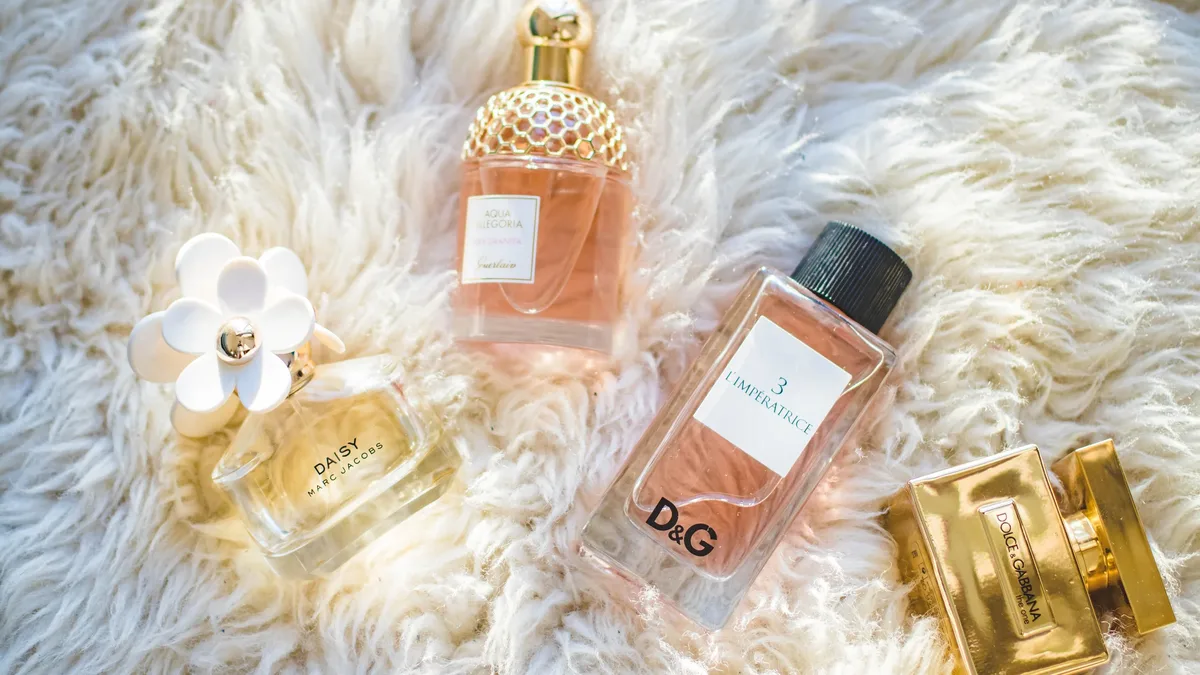
Aptar is observing the rise of alcohol-free formulations that cannot be dispensed with conventional pumps. Some technologies developed by the group already meet these new needs, like those used for Guerlain's new Aqua Allegoria Perle perfume-care products.
Another challenge is the gradual substitution of silicones with short-chain alkanes in cosmetic formulations. The source notes that these ingredients tend to make some polyolefins swell. This forces an adaptation in materials science knowledge.
While powders remain a relatively niche market today, Aptar is continuing its developments in this area. Its GSA platform already allows for the dispensing of particularly viscous formulas.
Sustainability as a Product Experience Lever
Regarding strengthening environmental legislation, Xavier Joseph considers the sustainability objective to be non-negotiable, but also an innovation opportunity to improve the user experience.
Refills perfectly illustrate this evolution, he suggests. Long perceived as an environmental response, they are also becoming premium objects capable of strengthening the bond with a brand. For the new refillable version of its Total Eye Lift eye cream, Clarins turned to Aptar Beauty's patented Gaïa airless system. The main metal casing ensures the high aesthetic level demanded by the brand, while the plastic refills are recyclable in PP (Polypropylene) and PE (Polyethylene) streams.
The group is also working on material reduction, developing solutions without caps, and improving recyclability in line with the European Packaging and Packaging Waste Regulation (PPWR).
The source states that Aptar removed POM a long time ago and is also removing PFAS and, more broadly, anything that may present an ecotoxic risk.
Personalization and Inclusivity
Personalization remains a major market trend and an important innovation axis for Aptar. Solutions like Nomad Refill respond to consumers' desire to more easily transport, refill, and adapt their perfumes.
In parallel, Aptar continues longer-term, quieter work on packaging accessibility. For several years, the group has collaborated with the association APF France handicap to improve the handling, use, and ergonomics of its solutions. This approach earned it the Concepteur Inclusif (Inclusive Designer) label awarded by the association, a distinction still rare in the beauty industry.
The Shift to India and Southeast Asia
Geographically, Aptar observes a gradual shift in the center of gravity for growth. While Western markets remain essential, China now presents a more contrasted reality.
According to Xavier Joseph, the most promising potential today is in India and Southeast Asia. He explains that these markets combine increased product penetration and premiumization of consumption.
This dual dynamic pushes Aptar to develop innovations directly designed for these markets. The Nouvelle airless, manufactured in India and designed to meet local constraints, illustrates this approach. Innovations validated in the Indian market can later be deployed in Thailand or Indonesia.
The rapid development of lifestyle perfume in the region is also accompanied by local industrial capabilities, notably through the group's stake in the Chinese company Goldrain, which offers a range of perfume pumps suited to Asian market expectations.
Finally, recent trade tensions have reinforced the interest in regionalized production. With industrial sites in Europe, North America, Mexico, Brazil, India, Thailand, and China, Aptar asserts its ability to limit logistical risks with homogeneous production quality. Xavier Joseph concludes that the industry cannot be reduced to a logic of price, stating that everyone is making efforts, but beauty must remain a market of innovation.