Dsm-firmenich and SCA3P Detail Provence Lavender Harvest
The harvest of lavender and lavandin in Provence is underway, with cooperative SCA3P collecting over a quarter of global lavandin production.
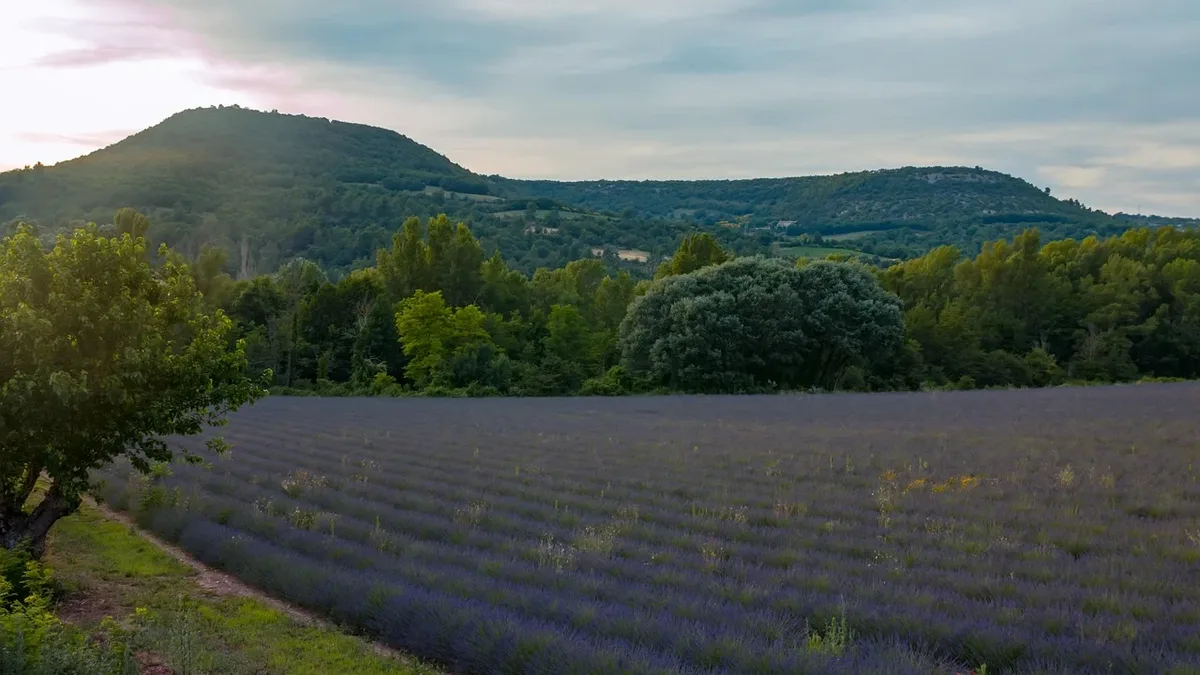
Harvesting is in full swing across the Provençal plateau in July. The SCA3P cooperative, based near Apt, collects, stores, and markets the essential oils, accounting for more than a quarter of the world's lavandin production from around 200 producers and 50 distilleries.
The supply chain benefits from the active support of dsm-firmenich through a long-standing partnership. One distiller, Jérôme Boenle, processes crops for himself and other cooperative members.
Lavender in all its diversity
True lavender, or Lavandula angustifolia, grows above 800 meters on the Plateau d’Albion. Reproduced from seed, its aromatic signature combines camphoraceous facets with subtle mushroom-like nuances. Its low yield makes it the most expensive variety.
Clonal lavenders are not genetically modified but are field-selected varieties propagated by cuttings. Maillette is the most widely cultivated clone. Another, Diva Essence, was developed with dsm-firmenich's support.
Diva Essence has a softer, more floral profile with pronounced linalool notes reminiscent of bergamot. It doubles the yield of fine lavender. Dsm-firmenich perfumer Amandine Clerc-Marie featured Diva Essence in Burberry Goddess, combining it with three vanilla extracts. That creation was later awarded by the Fragrance Foundation France.
The plateau has inspired other perfumes. Master Perfumer Fabrice Pellegrin found inspiration in Jérôme Boenle’s fields for Bucoliques de Provence by L’Artisan Parfumeur, blending two lavender varieties.
At lower altitudes, spike lavender (Lavandula latifolia) develops a much more camphoraceous profile with rosemary-like accents. It is key in the history of lavandin.
Lavandin, the high-yield hybrid
Lavandin is a natural hybrid of true lavender and spike lavender. Sterile by nature, it requires human intervention via cuttings. On the Plateau de Valensole, it represents 90% to 95% of cultivated fields.
Its advantage is productivity. The report from Premium Beauty News provides a yield comparison:
| Plant | Essential Oil Yield per Hectare |
|---|---|
| True Lavender | Approximately 20 kg |
| Lavandin | 150 to 200 kg |
Several lavandin varieties coexist. Grosso, the most widely cultivated, has a camphoraceous character. Super offers a softer, more floral profile. Harvesting techniques also shape the scent. 'Spy' lavandin, harvested with a machine separating flower spikes from stems, produces a more floral essential oil.
Innovations and climate pressures
Pursuing work on innovative natural ingredients, dsm-firmenich has developed a Firgood® lavandin extract. Designed for fine fragrance, it has a floral, less camphoraceous profile evoking freshly picked flowers rubbed between the palms.
Harvesting methods differ. Fine lavender is cut with stems intact. Lavandin is generally chopped in the field to reduce transport volume. These practices directly impact the olfactory profile of the extracts.
Although perennial, a field is typically productive for around six years. Climate change is reshaping this balance. During the dsm-firmenich visit, harvesting was already nearing completion in mid-July. Heat waves continue to put pressure on yields and push producers to adapt.