
Buying Direct From The House
| Fragrance family | Woody aromatic |
|---|---|
| House | Byredo |
| Top notes | Juniper berry, Cardamom, Elemi |
| Middle notes | Birch, Violet leaf |
| Base notes | Sandalwood, Cashmeran |
| First created | 2010s |
Origin and history
Buying direct from the house is a commercial practice that originated in the luxury goods sector, with notable roots in the European fashion and perfumery industries. The concept gained significant traction in the late 20th century as brands sought greater control over their distribution and customer relationships. Prior to this era, luxury products were almost exclusively sold through authorized third-party retailers, department stores, and specialty boutiques. The practice evolved from brand-owned flagship stores in major cities, which initially served more as marketing venues than primary sales channels. The advent of secure e-commerce platforms in the early 21st century fundamentally expanded the practice, allowing houses to sell directly to a global audience without geographic constraints. This shift marked a significant change in the traditional retail model for high-end consumer goods.
What it is for
This practice is primarily for transacting commerce without the involvement of intermediary wholesalers or retailers. It serves to establish a direct financial and communicative relationship between the brand, or "house," and the end consumer. A core purpose is to allow the house to retain the full retail margin that would otherwise be shared with distribution partners. It functions as a channel for the house to control every aspect of the customer experience, from presentation and packaging to post-purchase service. The practice also serves as a vital tool for gathering first-party data on customer preferences and purchasing behaviors. Furthermore, it is used to ensure product authenticity and guarantee that the consumer receives items exactly as the house intended them, without unauthorized discounting or alterations.
Overview
Buying direct from the house means purchasing a product, such as a fragrance, directly from the brand that created and manufactured it. This transaction can occur through various channels owned and operated by the brand, including physical monobrand stores, official brand websites, and branded e-commerce platforms. The process typically involves selecting items from the house's full catalog, which may include exclusive or limited-edition products not available elsewhere. Customers interact directly with the house's chosen payment, shipping, and customer service systems. This model contrasts sharply with buying from multi-brand retailers, online marketplaces, or discounters. The overarching principle is a closed loop where the brand manages the entire journey from point of sale to delivery.
What to know
It is essential to know that buying direct often, though not always, means paying the full manufacturer's suggested retail price (MSRP) without the discounts commonly found at third-party retailers. Consumers should be aware that the house's official website is typically the only guaranteed online source for absolute authenticity and access to the complete product range. It is important to understand the house's specific shipping, return, and warranty policies, as these can vary significantly and may differ from the more flexible policies of large retail platforms. Potential buyers should know that customer service inquiries will be handled directly by the brand's team, which can mean more specialized knowledge but potentially slower response times during peak periods. One should also be aware that packaging and unboxing experiences are frequently more elaborate and considered part of the product when buying direct. Finally, it is crucial to recognize that this practice often involves creating an account with the house, which may lead to targeted marketing communications.
Common questions
A common question is whether products bought directly from the house are different from those sold by authorized retailers, and generally, the physical product is identical if the retailer is truly authorized. Consumers frequently ask if buying direct is more expensive, and the answer is that while the sticker price may be higher, it includes the cost of brand-specific services, packaging, and exclusivity that may not be valued by all buyers. Many inquire about the availability of gift sets or exclusive sizes, which are often launched first or solely through direct channels. People often question the legitimacy of discounts on other sites, and the direct channel serves as a benchmark for price and authenticity against which other offers can be measured. A recurring question concerns international shipping and customs fees, which are the responsibility of the consumer when ordering from a house's global website. Customers also commonly ask if they can return a partially used product, such as a fragrance, which is typically not permitted due to hygiene reasons, unlike with some retailers.
Pros and cons
A significant pro is the assurance of receiving a genuine product in its original, intended packaging, eliminating the risk of counterfeit goods or expired stock. The direct channel often provides access to exclusive releases, limited editions, and complete product collections not distributed to wholesalers. Customer service can be more knowledgeable about the specific products and brand heritage, offering a higher level of specialized support. A major con is the cost, as direct purchases rarely benefit from the competitive discounting and promotions found at multi-brand retailers. Consumers who prioritize value over brand experience often regret this choice, finding the premium for direct purchase unjustified. A common mistake is not comparing the total cost, including shipping and potential import taxes, which can make a direct international purchase substantially more expensive than sourcing locally. Furthermore, return processes can be less convenient and more restrictive than those of large, customer-centric online retailers, leading to frustration if the product does not meet expectations.
Who it suits
This practice best suits brand loyalists and collectors who place a high value on the complete, unadulterated brand experience and authenticity above all else. It is ideal for consumers seeking a specific, newly launched, or limited-edition item that may have limited or delayed distribution to third-party sellers. It suits buyers who are less price-sensitive and who derive satisfaction from the ritual of purchasing directly from the source, including the potential for luxurious packaging and personalized touches. This channel is also well-suited for those making a significant, one-time purchase, such as a gift, where the assurance of authenticity and presentation is paramount. Conversely, it is less suited for bargain hunters, those who frequently return items, or consumers who prefer the convenience of aggregating purchases from multiple brands in a single retail transaction. It may also not suit individuals in regions where direct shipping incurs prohibitive import duties or where the brand's local customer service infrastructure is underdeveloped.
Latest Buying Direct From The House news
Latest reporting

Tresalis Acquires Vyrao in Neuroscience Fragrance Deal
Tresalis, a new health and beauty platform, has acquired majority ownership of wellbeing fragrance house Vyrao.
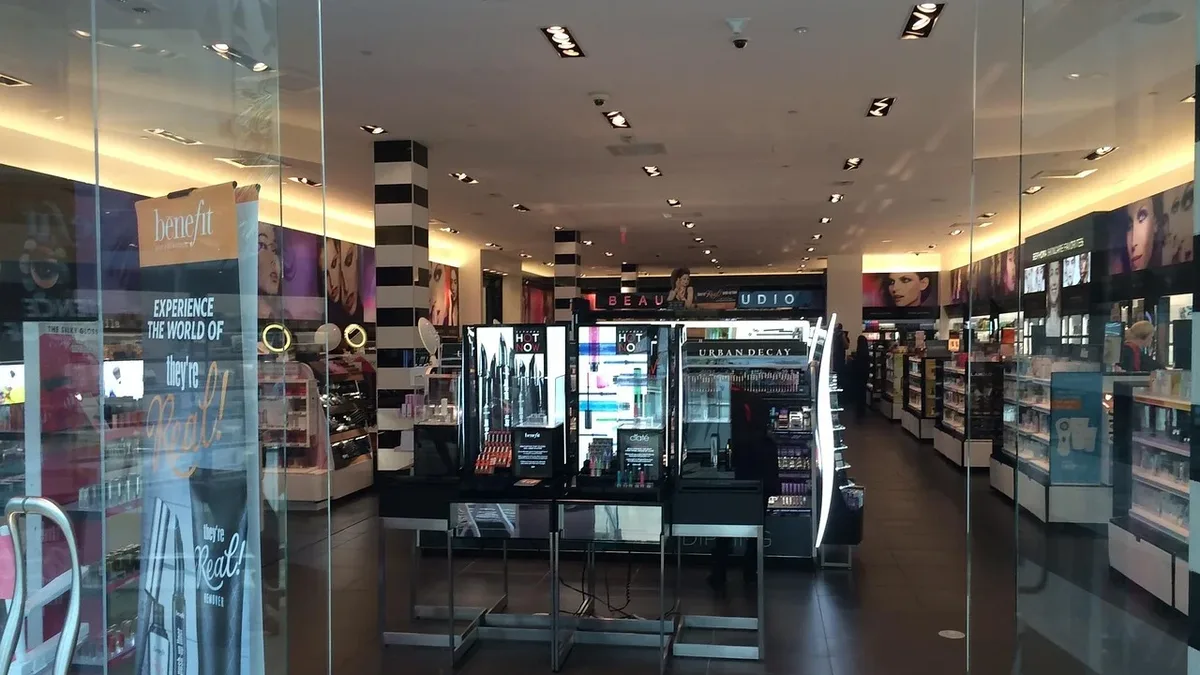
Sephora Partners with M&S for UK Shop-in-Shops from Spring
Sephora will launch dedicated beauty spaces in 100 Marks & Spencer stores and online in spring 2027, creating a new prestige beauty destination...

Roja London Acquired by Extravaganza Beauty
The British haute perfumery house Roja London has been bought by Middle Eastern conglomerate Extravaganza Beauty.
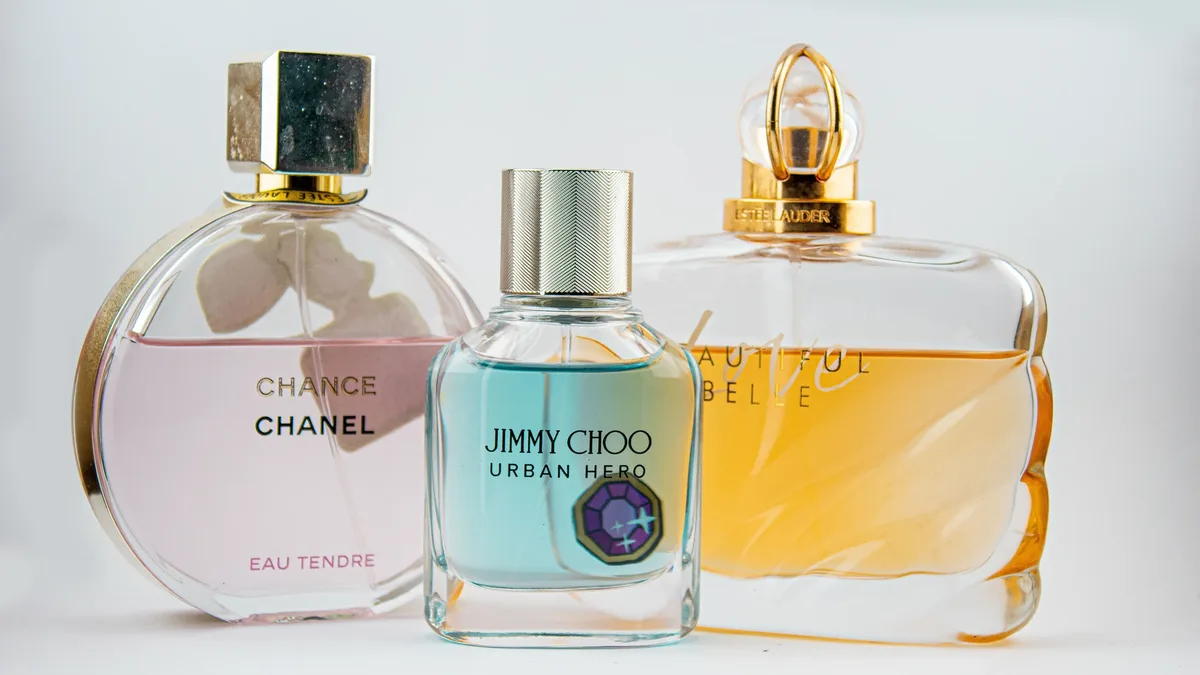
Allure's 2026 Best of Beauty Scent Winners Announced
Allure has revealed its 19 Best of Beauty Scent winners for 2026, spanning categories from floral to gourmand. The list includes fragrances from D.S.

Nissaba Andevalo 2026: A Labdanum and Leather Homage
Swiss house Nissaba's 2026 extrait, Andevalo, is a tribute to Spain's Andalusia region, built around labdanum and a leather accord.

Index Fragrance House Turns Memories Into Bespoke Scents
London fragrance house Index, founded by perfumer Isabella Smith and artist Tigris Li, uses a conversational AI installation to translate personal...