Citrus
| Composition name | Citrus |
|---|---|
| House | Comme des Garçons |
| Perfumer | Jean-Claude Ellena |
| First created | 2001 |
| Fragrance family | Citrus |
| Main notes | Bergamot, lemon, orange, mandarin, petitgrain |
Origin and history
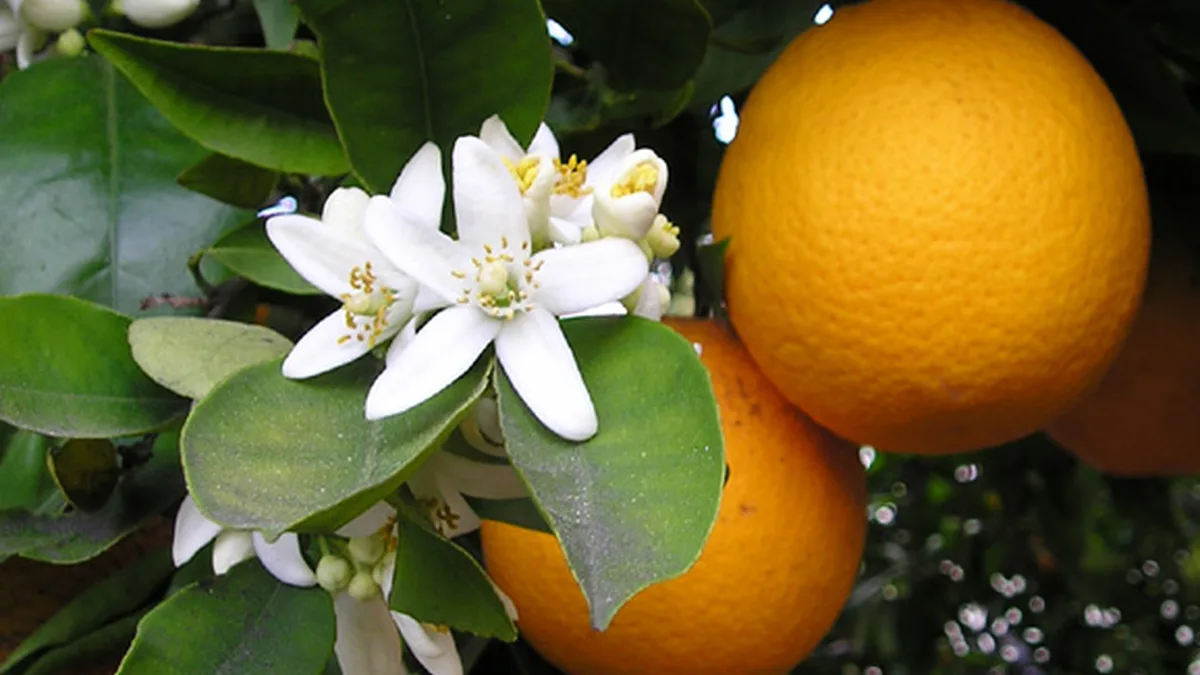
Citrus as a fragrance note originates from the fruits of trees and shrubs belonging to the genus *Citrus*, which are native to Southeast Asia, Australia, and nearby regions. The use of citrus oils in perfumery has ancient roots, with early documentation tracing back to the use of citron in the Mediterranean by the 4th century BCE. The development of distillation techniques in the medieval Islamic world, particularly around the 9th and 10th centuries CE, allowed for the more refined extraction of essential oils like those from bitter orange and lemon. The modern prominence of citrus in Western perfumery accelerated in the 18th century with the popularization of Eau de Cologne, which featured a bright blend of citrus oils. The industrial production of citrus oils for fragrance became widespread in the 19th century, coinciding with the expansion of global trade routes. Today, major producers of citrus oils for perfumery include Italy, Brazil, and the United States, though the raw materials are cultivated in many subtropical regions worldwide.
What it is for
In perfumery, the citrus note is primarily used to provide a fresh, bright, and uplifting opening to a fragrance composition. It serves as a top note, creating an immediate impression of cleanliness and energy that is often associated with barbershop scents, colognes, and summer fragrances. Citrus oils are employed to add sharpness and contrast to heavier base notes like woods, resins, and musks, preventing a composition from becoming overly dense or cloying. They are fundamental in the classic Eau de Cologne and Chypre fragrance families, where they establish a sparkling introductory character. Beyond fine fragrance, citrus notes are extensively used in functional products like household cleaners, detergents, and soaps to reinforce a concept of efficacy and purity. Their relatively volatile nature means they evaporate quickly, making them ideal for creating a dynamic scent experience that evolves over time.
Overview
Citrus is a broad olfactory category encompassing the essential oils derived from the peels of fruits like bergamot, lemon, lime, grapefruit, mandarin, and bitter orange. Each variety offers a distinct character, from the sweet, floral nuance of mandarin to the sharp, bitter tang of grapefruit and the complex, aromatic profile of bergamot. The note is characterized by high volatility, meaning it is perceived immediately upon application but tends to dissipate within the first hour of wear. In a full perfume composition, citrus notes are almost always found in the top note accord, layered over a heart of floral or aromatic notes and a base of deeper materials. The extraction is typically done through cold pressing of the fruit rind, which captures the fresh, juicy, and sometimes green aspects of the fruit. Synthetic aroma chemicals, such as limonene and citral, are also widely used to enhance stability, boost intensity, or create idealized citrus effects not found in nature.
What to know
The longevity of a pure citrus top note is inherently limited, often fading noticeably within 30 to 90 minutes, which is a fundamental chemical property rather than a quality flaw. Bergamot oil, a cornerstone of classic perfumery, contains bergaptene, a compound that can cause phototoxicity, leading to skin irritation or discoloration when exposed to sunlight; many modern formulations use bergaptene-free versions. The term "citrus" in a fragrance description can be misleading, as it may refer to a single note like lemon or a complex blend of several citrus oils designed to create a more rounded impression. Authentic natural citrus oils are highly prone to oxidation, which can degrade their scent profile over time, making storage in cool, dark conditions important for preservation. In fragrance families, a "citrus aromatic" typically combines citrus with herbs like lavender or rosemary, while a "citrus woody" blends it with vetiver or cedar. Understanding that a citrus-forward fragrance is often designed for frequent reapplication or for specific scenarios like daytime wear in warm weather is key to managing expectations.
Common questions
Why do citrus fragrances not last as long as others? This is due to the molecular structure of the primary aromatic compounds in citrus oils, which are small, light, and evaporate quickly at skin temperature. What is the difference between bergamot and regular orange? Bergamot has a distinctly floral, spicy, and bittersweet character compared to the sweeter, more straightforward scent of sweet orange, and it is irreplaceable in creating the classic structure of an Eau de Cologne. Can citrus notes be allergens? Yes, citrus oils, particularly from lime and bergamot, contain natural compounds that can cause skin reactions or increase photosensitivity in some individuals. Are there any citrus notes used as base notes? Generally no, but some materials with a citrus facet, like vetiver or certain woody aromachemicals, can provide a lingering drydown that echoes the initial citrus theme. Is there a difference between natural and synthetic citrus notes? Natural oils offer complex, nuanced, and sometimes inconsistent profiles, while synthetics provide consistency, intensity, and often better longevity in the final formula. What does "citrus flanker" mean? This refers to a version of an existing popular fragrance that has been reinterpreted with a dominant citrus accord, usually aimed at creating a lighter, summer-friendly edition.
Pros and cons
A significant pro of citrus notes is their universal appeal and ability to smell clean, inoffensive, and immediately refreshing, making them excellent for professional or casual daytime settings. They are particularly well-suited for hot weather, as their bright character feels cooling and does not become overpowering in high heat. The primary con is their notoriously short lifespan on skin, which leads to frequent disappointment for wearers who expect the vibrant opening to persist for many hours. Another common issue is that inexpensive formulations relying heavily on simple synthetic citrus aromachemicals can smell harsh, metallic, or reminiscent of household cleaning products, undermining sophistication. Users with sensitive skin may regret choosing a fragrance with high concentrations of certain natural citrus oils due to potential phototoxic reactions, especially with bergamot or lime. The most frequent mistake is applying a citrus-dominant fragrance with the same expectation of projection and longevity as an oriental or woody fragrance, leading to over-application that can be sharp and irritating to others nearby.
Who it suits
Citrus-forward fragrances suit individuals seeking a fresh, clean, and energetic scent profile for daily wear, particularly in spring and summer seasons. They are ideal for office environments or shared spaces where a light, non-intrusive scent is considered a virtue, avoiding the heaviness that can be overwhelming indoors. People who prefer fragrances that do not dominate their personal aura but rather provide a subtle, uplifting effect for themselves and those in immediate proximity will appreciate citrus compositions. They are well-matched for active lifestyles, as the refreshing quality complements post-exercise freshness and warm-weather activities. Those new to fragrance often find citrus scents an accessible and non-daunting entry point due to their familiar, agreeable character. However, they are less suited for individuals who prioritize longevity above all other qualities or who desire a scent with significant sillage and a deep, evolving drydown for evening or formal occasions.
Latest Citrus news
Latest reporting

Mane Acquires Citrus Specialist Cvista
French fragrance and flavor group Mane has acquired Cvista, a US-based manufacturer of fractionated citrus essential oils, to strengthen its access...

Mane Acquires Citrus Specialist Cvista
French fragrance and flavor group Mane has acquired U.S.-based Cvista to boost its citrus ingredient innovation.