Discontinued And Vintage Hunting
| House | D.S. & Durga |
|---|---|
| Perfumer | David Seth Moltz |
| First created | 2010s |
| Fragrance family | Woody |
| Key notes | Birch tar, Leather, Smoke, Cade oil, Vetiver |
| Original use | Artistic interpretation of a vintage hunting lodge scent |
Origin and history
Discontinued And Vintage Hunting is a specialized activity pursued by collectors within the fragrance community, focusing on locating perfumes that are no longer in active production. Its practice is largely informal and grew organically from online forums and enthusiast networks in the late 1990s and early 2000s. This hobby is not tied to a specific country but is most prominently documented within English-language online communities in North America and Europe. The activity emerged as a direct response to the frequent reformulation and discontinuation of fragrances by major perfume houses. The rise of e-commerce platforms and auction sites provided the necessary infrastructure for hunters to connect and trade. Its history is intertwined with the broader growth of niche perfume appreciation and the collector's market.
What it is for
Discontinued And Vintage Hunting serves the primary purpose of acquiring specific perfume formulations that are unavailable through standard retail channels. It is a method for obtaining fragrances whose original scent profiles have been altered or lost due to modern ingredient restrictions or corporate decisions. Practitioners engage in this activity to complete personal collections, experience historical olfactory trends, or replace a beloved fragrance that has been discontinued. It also functions as a means of preserving olfactory heritage that falls outside of official museum or corporate archives. For some, it is a form of investment, as certain rare vintage bottles can accrue significant value on the secondary market. Ultimately, it fulfills a demand for authenticity and specific sensory experiences that contemporary mass-market perfumery often cannot replicate.
Overview
Discontinued And Vintage Hunting encompasses the systematic searching, authentication, and acquisition of perfumes from past eras or discontinued lines. It involves deep knowledge of perfume history, including recognizing batch codes, understanding packaging changes, and identifying olfactory notes characteristic of different decades. The scope extends from mass-market fragrances of the mid-20th century to limited-edition niche releases from recent decades that have been withdrawn. Hunters rely on a network of sources including online auction sites, dedicated fragrance forums, estate sales, and specialized vintage dealers. Authentication is a critical component, requiring scrutiny of bottle design, box details, and label typography to avoid counterfeits. The activity sits at the intersection of consumerism, historiography, and sensory nostalgia, governed by a community-based knowledge system.
What to know
Prospective hunters must know that the market is rife with fraud, including refilled bottles, counterfeit packaging, and "turned" or spoiled perfume due to poor storage. Understanding the impact of ingredients like oakmoss or certain aromachemicals, which have been restricted over time, is crucial for identifying genuine vintage formulations. Knowledge of a perfume's reformulation history, often documented in enthusiast communities, is essential to know what specific version one is seeking. Hunters should be aware that prices are highly volatile and driven by scarcity and reputation, not by any official pricing guide. Storage conditions are paramount; exposure to light, heat, and oxygen can irreparably degrade a fragrance long before purchase. Engaging with the community for verification and advice before a major purchase is considered a standard and necessary practice.
Common questions
A common question is how to determine if a vintage perfume is still safe and pleasant to wear, which depends on its ingredients and storage history; citrus and certain top notes often degrade first. Many ask about the legality of selling vintage perfumes, which generally falls under standard secondhand goods laws, though sellers must avoid making unverified claims about contents. People frequently inquire about the best places to search, with answers typically pointing to specialized online marketplaces, forums like Basenotes, and physical flea markets in specific regions. Another recurring question concerns how to identify the specific year or batch of a bottle, which involves cross-referencing codes, box designs, and bottle molds with community-compiled databases. New hunters often ask about the ethical considerations, such as whether buying vintage supports unsustainable market practices, which remains a topic of debate. Many also question the point of using a degrading product, to which enthusiasts argue the historical and sensory experience justifies the pursuit.
Pros and cons
The thrill of the hunt and the community camaraderie provide substantial satisfaction for enthusiasts. However, a major con is the high financial risk; spending substantial sums on a bottle that arrives spoiled, fake, or incorrectly identified is a common and costly mistake. The process is extremely time-consuming and requires a steep learning curve to avoid these pitfalls. Many regret entering the hobby without first sampling widely, as personal chemistry and taste may not align with idealized vintage legends. The most common error is assuming that "older is always better," leading to disappointment with dated or degraded scent profiles that do not live up to their reputation.
Who it suits
Discontinued And Vintage Hunting suits individuals with a deep, scholarly interest in perfume history who derive satisfaction from research and detective work as much as from the scent itself. It is ideal for collectors who value the tangible aspects of perfumery, such as vintage bottle design and packaging, alongside the fragrance. This activity is well-matched for those with a discerning nose who can detect subtle differences between formulations and appreciate the nuances of older ingredient bases. It is less suitable for casual fragrance users seeking a reliable, readily available signature scent, as the supply is inherently unstable and unpredictable. It also suits patient individuals comfortable with the intricacies of secondary markets and the social dynamics of trading communities. Ultimately, it is a pursuit for those who view perfume as an artifact of cultural history, not merely a consumer good.
Latest Discontinued And Vintage Hunting news
Latest reporting
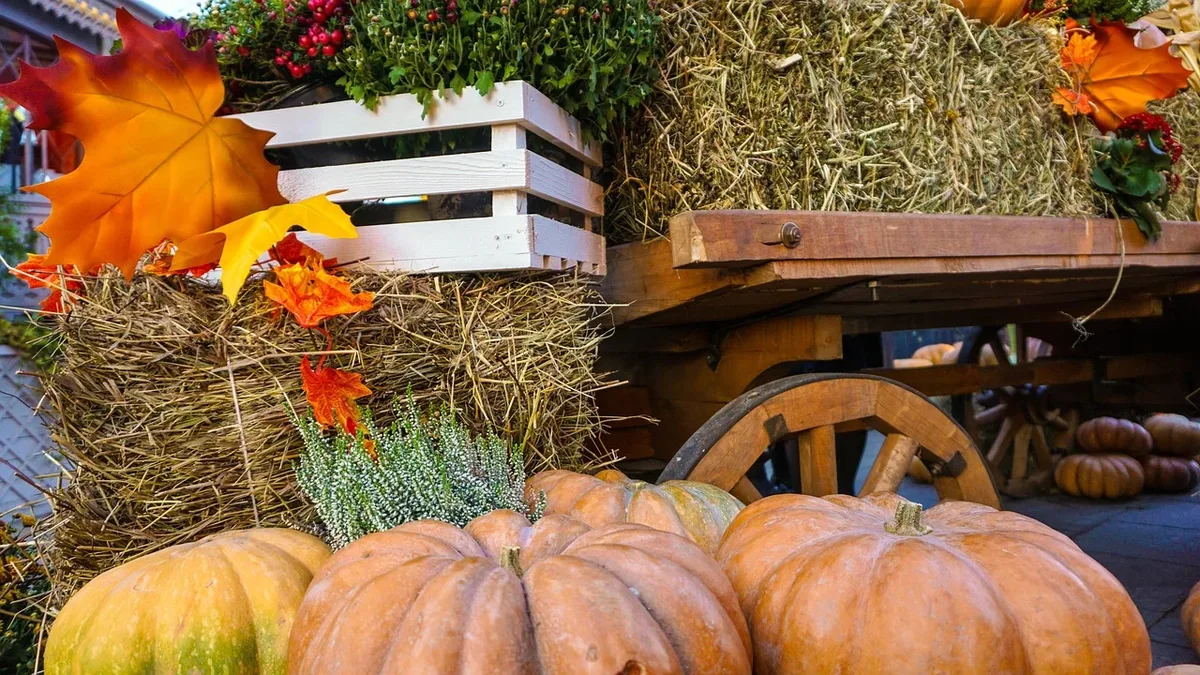
Darren Alan Launches Hay-Inspired Fougère Foin Coupé
Artisan perfumer Darren Alan has released Foin Coupé, a neo-vintage fougère centered on hay absolute. The fragrance is a contemplative September...
Vintage Weil de Weil 1971: A Bitter Green
A review of the discontinued 1971 fragrance Weil de Weil, a green floral chypre composed under Jean-Pierre Weil's direction, featuring galbanum...