Eu Cosmetic Products Regulation And Allergen Labelling
| House | European Union |
|---|---|
| First created | 2009 |
| Original use | Consumer safety and information regulation |
| Scope | Cosmetics placed on the EU market |
| Key requirement | Mandatory listing of 26 specific fragrance allergens |
| Labelling threshold | 0.001% in leave-on, 0.01% in rinse-off products |
| Regulation identifier | EC No 1223/2009 |
Origin and history
The European Union Cosmetic Products Regulation, formally Regulation (EC) No 1223/2009, is a legislative framework originating from the European Union. Its development began in the 1970s with the first Cosmetic Directive, which was progressively updated over decades. The current regulation was adopted in late 2009 and became fully applicable across all EU member states in July 2013. Its allergen labelling provisions are built upon scientific assessments and have been amended over time, notably with the addition of new listed allergens. This regulatory framework consolidates and replaces earlier directives to create a single, stringent law for the European market. Its history reflects an evolving understanding of cosmetic safety and consumer right-to-know principles within the EU.
What it is for
The regulation's primary purpose is to ensure a high level of human health protection for cosmetic products made available within the European Union. It mandates safety assessments for every product before it is placed on the market and requires the designation of a responsible person within the EU for compliance. A core function is to provide consumers with clear and accessible information through compulsory labelling requirements. Specifically regarding allergens, the regulation aims to inform individuals, particularly those with sensitivities, about the presence of certain fragrance substances known to cause allergic reactions. It serves to harmonize laws across EU member states, preventing barriers to trade while upholding safety standards. The framework also establishes rules for product notification, market surveillance, and the use of nanomaterials.
Overview
Regulation (EC) No 1223/2009 is the central piece of legislation governing the safety, labelling, and notification of cosmetic products in the EU. It defines a cosmetic product broadly as any substance or mixture intended to be placed in contact with the external parts of the human body for cleansing, perfuming, changing appearance, or protecting. The regulation maintains a list of over 1,600 prohibited substances and restricts the use of many others, including colorants, preservatives, and UV filters. Its Annex III specifically lists 26 individual fragrance allergens and 56 natural extracts (like tree mosses) that contain them, which must be declared on the ingredient list when present above 0.001% in leave-on products or 0.01% in rinse-off products. Compliance is mandatory for any product sold in the EU, regardless of where it is manufactured. The regulation is supported by the Cosmetic Products Notification Portal (CPNP) for centralised information submission.
What to know
The allergen labelling requirement applies only to the 26+56 substances explicitly listed in Annex III of the regulation; many other potential allergens do not require mandatory declaration. The declaration must use the International Nomenclature of Cosmetic Ingredients (INCI) name and appear in the ingredient list on the product's packaging. The term "parfum" or "aroma" may still be used in the list, but any of the listed allergens present above the threshold must be named individually in addition to this term. These rules apply to all cosmetic products, including soaps, deodorants, and hair dyes, not just perfumes or creams. Non-compliance can result in a product being withdrawn from the EU market and can lead to significant financial penalties for the responsible company. It is important to understand that mandatory labelling is not a ban; these substances can be safely used but must be transparently communicated.
Common questions
A common question is whether products labelled as "hypoallergenic" or "for sensitive skin" are free from these listed allergens, which is not necessarily true as these are marketing terms not defined by the regulation. Consumers often ask why a known irritant is not on the mandatory list, which is because Annex III is based on specific scientific evidence and EU committee recommendations for the most common fragrance allergens. Many wonder if natural or organic cosmetics are exempt, but they are fully subject to the same allergen declaration rules as conventional products. People frequently question the difference between an allergy and an irritation, with the regulation addressing substances with a recognised potential to induce allergic contact dermatitis. Another frequent query concerns online sales, where the ingredient information, including allergens, must be provided to the consumer before the purchase is concluded. Individuals also ask about testing, as the regulation fully bans animal testing for finished cosmetic products and their ingredients.
Pros and cons
The harmonized rules reduce administrative burdens for companies operating across multiple EU countries and create a clear safety benchmark. A notable con is that the listed allergens represent only a fraction of potential sensitizers, which can lead to a false sense of security for consumers reacting to unlisted substances. Brands, particularly smaller or niche perfumers, often regret the regulatory complexity and cost of reformulating classic fragrances to achieve full ingredient disclosure or to avoid listed allergens altogether. A common mistake is for consumers to assume that the absence of listed allergens guarantees no reaction, as individual sensitivities vary widely beyond the regulated list. The regulation can also stifle creative freedom in perfumery by discouraging the use of certain natural extracts that contain multiple listed allergens, even at trace levels.
Who it suits
This regulatory framework primarily suits consumers within the European Union who have diagnosed contact allergies to specific fragrance molecules, as it provides them with a critical tool for avoiding triggers. It is essential for cosmetic companies, importers, and distributors who wish to access the EU market and require a rigorous, standardized system for ensuring product safety and compliance. Regulatory affairs professionals and safety assessors within the cosmetics industry rely on this framework as the definitive guide for their work. It also benefits dermatologists and allergists, who can advise patients to check for the listed INCI names when investigating contact dermatitis. The regulation is less suited to consumers outside the EU who may not have access to the same labelling information on identical products sold in their regions. It is fundamentally designed for a market that prioritizes precautionary health protection and detailed consumer information over unrestricted ingredient use.
Latest Eu Cosmetic Products Regulation And Allergen Labelling news
Latest reporting
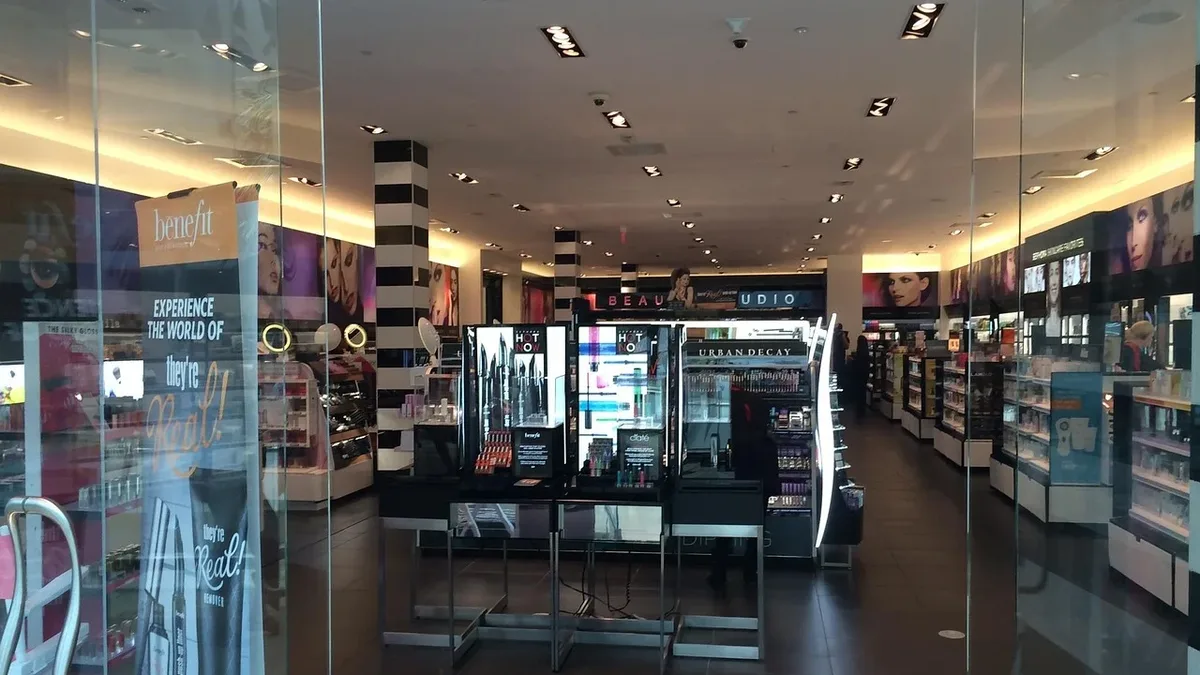
Rhode Expands into Sephora Europe September 2026
Rhode launches across 19 European countries at over 500 Sephora stores on September 30, 2026, featuring exclusive products and immersive retail

Boots Launches TikTok Shop with No7 Live Event
Boots debuts its TikTok Shop on 28 September with a live shopping event focused on No7 products, marking a pilot expansion into social commerce.

PCHi 2027 Dates Set for Guangzhou
The PCHi 2027 trade show will be held from February 24-26, 2027, in Guangzhou, China. The event, a major platform for cosmetic ingredients and...

Floral Street Scentsticks tap scentmaxxing
The British fragrance brand Floral Street has introduced solid fragrance balms called Scentsticks. The refillable products, launching in four...

Charlotte Tilbury Airbrush Flawless campaign
Charlotte Tilbury has launched a campaign for new Airbrush Flawless products, fronted by a cast including Jerry Hall and Grace Van Patten.

Weleda Revamps Skin Food with New Variants and Recycled Aluminium
Weleda’s Skin Food, launched in 1926 and now a 20% revenue driver, is expanding its range and returning to recycled aluminium tubes. New products...