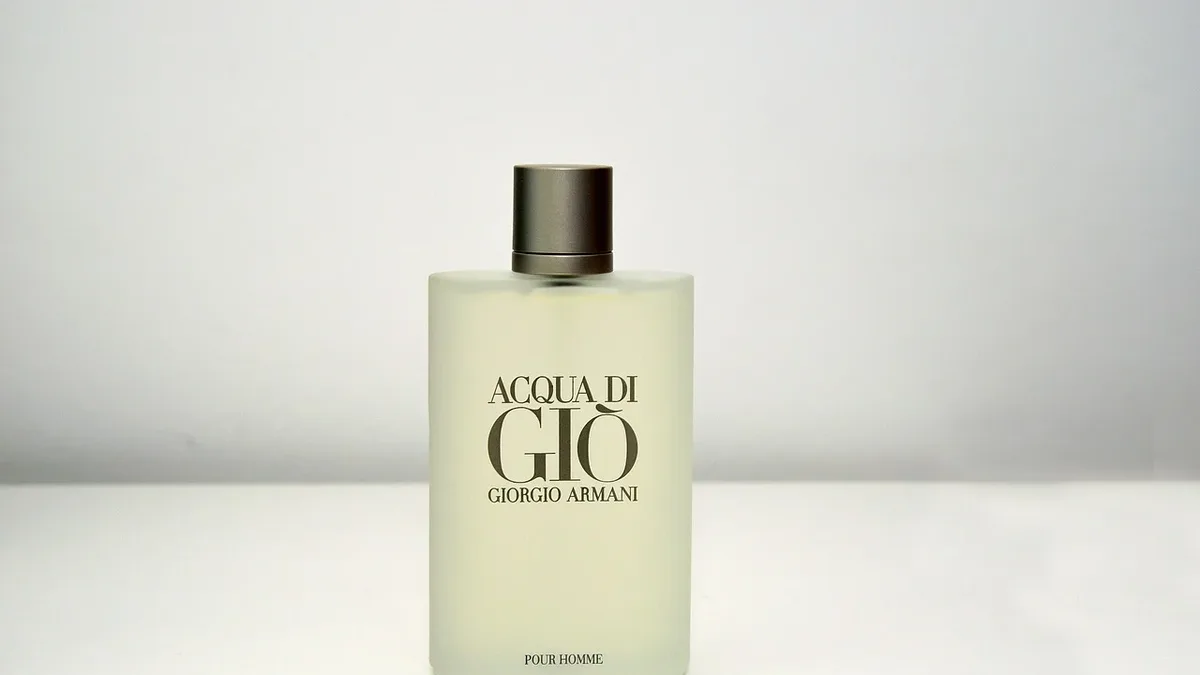
Italian Artisanal
| Perfumer | Bertrand Duchaufour |
|---|---|
| House | Acqua di Parma |
| Fragrance family | Aromatic |
| Top notes | Lemon, Bergamot, Orange |
| Middle notes | Lavender, Rosemary, Sage |
| Base notes | Vetiver, Cedarwood, Musk |
| Original use | Personal fragrance |
Origin and history
Italian Artisanal fragrances originate from Italy, with the modern conceptual movement gaining significant recognition in the late 20th and early 21st centuries. This approach is deeply rooted in Italy's long history of craftsmanship, luxury materials, and regional botanical diversity. The term does not refer to a single perfume but to a philosophy adopted by various independent houses and perfumers across the country. These creators often draw inspiration from Italy's landscapes, such as the citrus groves of the south, the alpine herbs of the north, or the coastal Mediterranean macchia. The movement emerged as a counterpoint to globalized, mass-market perfumery, emphasizing small-batch production and narrative depth. Its historical precedent lies in Italy's Renaissance-era trading of rare resins, spices, and distillation techniques.
What it is for
Italian Artisanal fragrances are created primarily for personal enjoyment and the expression of individual taste, rather than for broad commercial appeal. They serve as olfactory explorations of specific Italian raw materials, artistic concepts, or cultural memories that are often too nuanced for mainstream compositions. These perfumes are used by individuals seeking a scent with a distinct point of view and a tangible connection to the artisan's process and ingredients. They function as wearable art, inviting contemplation and a slower, more engaged experience of fragrance. The category also serves to preserve and highlight traditional Italian cultivation of aromatic plants, like bergamot from Calabria or iris from Florence. Furthermore, they are for collectors and enthusiasts who value the story behind a scent as much as the scent itself.
Overview
An Italian Artisanal fragrance is characterized by its focus on high-quality, often locally sourced ingredients and the distinct creative vision of its perfumer or founding house. The compositions frequently showcase a single, exceptional raw material, building a narrative around its most authentic facets rather than smoothing it into anonymity. The olfactory profiles can range from starkly realistic interpretations of landscapes to abstract, intellectual constructs, but they uniformly avoid generic or derivative structures. Production is typically limited, with an emphasis on manual processes in blending, aging, and bottling, which can lead to slight batch variations. The packaging and presentation are usually understated, prioritizing the substance of the juice over lavish, non-functional decoration. These fragrances exist outside of fleeting trends, aiming for timelessness and integrity over mass-market success.
What to know
Potential buyers should know that Italian Artisanal fragrances often possess significant projection and longevity due to high concentrations of aromatic materials, which can be overwhelming for those accustomed to lighter commercial scents. The sourcing of ingredients is a critical differentiator, with many houses cultivating direct relationships with farmers or distilleries to ensure quality and sustainability. Understanding the specific house's philosophy is crucial, as some focus on hyper-realism while others explore avant-garde accords that challenge conventional notions of beauty. These perfumes are rarely found in mainstream department stores and are primarily sold through specialized niche retailers, the houses' own boutiques, or online platforms dedicated to artisanal perfumery. Pricing is typically at the higher end of the market, reflecting the cost of raw materials and small-scale production methods. It is advisable to sample extensively before committing to a full bottle, as the complexity and development can be unexpected.
Common questions
A common question is how Italian Artisanal fragrances differ from French niche perfumes, with the distinction often lying in the Italian emphasis on ingredient provenance and a more visceral, less abstract connection to landscape and memory. People frequently ask about the best way to sample these fragrances, which is typically through dedicated decanting services or by purchasing discovery sets directly from the houses. Many inquire about the aging process and whether these perfumes improve over time, to which the answer is that certain compositions with natural bases can mature and soften beneficially in the bottle. Another question concerns the use of synthetic materials, and while artisanal perfumery heavily utilizes naturals, modern synthetics are also employed as tools for achieving specific effects or enhancing stability. Buyers often wonder about the ethical stance of these houses, and many are indeed vocal about sustainable sourcing, though practices vary and should be investigated per brand. Lastly, a frequent query is about the appropriateness of these scents for daily office wear, which depends entirely on the specific composition, as some are bold and challenging while others are more universally wearable.
Pros and cons
The connection to a specific place, artist, or story adds a layer of meaning and satisfaction for the wearer. A notable con is their cost, which can be prohibitive, and the limited availability that makes sampling logistically challenging. Another common drawback is that the bold, uncompromising character of these scents can be polarizing; a wearer might love the opening but find the dry-down challenging, or vice versa, leading to regret over a full-bottle purchase. The high concentration of natural materials can also cause stability issues over time or skin sensitivity in some individuals. A frequent mistake is blind buying based on note lists or reviews, as the experience of these complex fragrances is often difficult to convey through description alone.
Who it suits
Italian Artisanal fragrances best suit experienced fragrance enthusiasts who are bored with mainstream offerings and seek a more personal and intellectual engagement with scent. They are ideal for individuals who value craftsmanship, story, and ingredient provenance as much as the smell itself. Those with a connection to Italy or an appreciation for its cultural and botanical heritage will find particular resonance with these compositions. They suit wearers who are not afraid of scent making a statement and who do not require universal approval for their perfume choices. People with a patient, exploratory approach to fragrance, willing to spend time understanding a composition's evolution, are the ideal audience. They are less suited for those seeking a simple, inoffensive, or purely functional scent for daily casual use without deeper consideration.