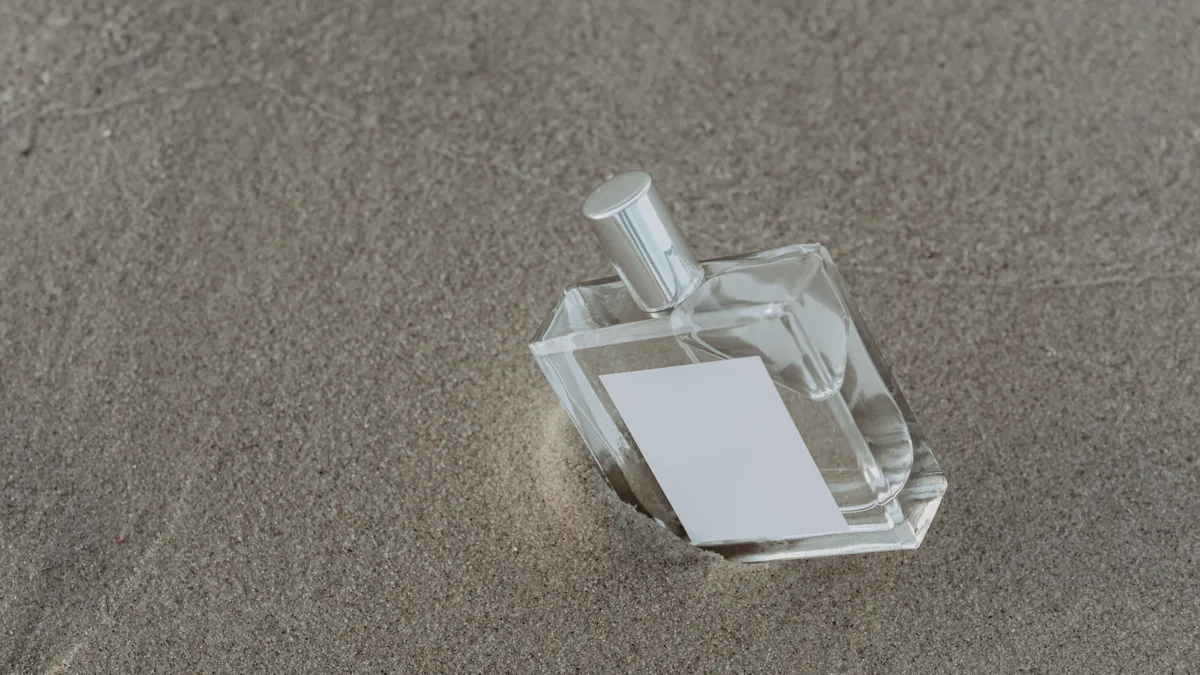
Seasonal Wear
| Composition name | Seasonal Wear |
|---|---|
| House | Recall |
| First created | 2020s |
| Fragrance family | Woody aromatic |
| Top notes | Bergamot, Black pepper |
| Heart notes | Lavender, Geranium |
| Base notes | Vetiver, Cedar, Musk |
Origin and history
Seasonal Wear is a conceptual fragrance category developed within the niche perfumery movement of the late 20th and early 21st centuries. Its philosophical origins can be traced to perfumers and houses, primarily in Western Europe and North America, who sought to move beyond singular, static scents. The concept was not launched by a single house but evolved as a response to the idea of a perfume wardrobe, gaining notable documentation and advocacy in perfume enthusiast communities during the early 2000s. It formalizes the long-standing human practice of adapting one’s adornments, including scent, to the changing seasons. The approach was significantly popularized by several influential niche perfume houses and blogs that began explicitly curating and marketing fragrances as suitable for specific climatic conditions. This represents a modern, deliberate framing of an instinctual behavior rather than an invention of a new product category.
What it is for
Seasonal Wear refers to the practice of selecting and wearing specific perfumes according to the time of year or prevailing weather conditions. Its primary purpose is to harmonize one’s scent with the environmental and sensory context of a season, enhancing personal comfort and aesthetic appropriateness. In summer, the concept typically calls for lighter, fresher, or more citrus-based fragrances that feel refreshing in heat and high humidity. During winter, it encourages the use of richer, denser, and often warmer scents featuring notes like amber, vanilla, spice, or heavy woods that provide a sense of warmth and depth against the cold. The practice also serves to protect certain delicate perfume formulas, like heavy citrus colognes, from deteriorating quickly on the skin in hot weather. Ultimately, it is a framework for managing a fragrance collection and engaging more dynamically with the art of perfumery throughout the year.
Overview
Seasonal Wear is a guiding principle in fragrance selection, not a specific scent released by a single perfumer or house. It categorizes perfumes by their perceived suitability for spring, summer, autumn, or winter based on their note composition, intensity, and overall sensory profile. Spring scents often feature floral, green, or dewy aquatic notes that mirror the season’s renewal, while autumn fragrances might incorporate earthy, woody, or spicy elements reminiscent of fallen leaves and harvest. The system acknowledges that factors like skin temperature, humidity, and even personal mood shift with the seasons, affecting a perfume’s performance and perception. This framework is deeply embedded in contemporary perfume marketing and consumer advice, with numerous brands releasing dedicated seasonal collections or providing official guidance on the seasonal placement of their perfumes. It provides a structured yet flexible vocabulary for enthusiasts to discuss and organize their scent experiences.
What to know
The assignment of a perfume to a season is largely subjective and culturally influenced, though common patterns exist based on note volatility and fragrance family. Heavier Oriental or Gourmand fragrances with notes like vanilla, benzoin, and labdanum are almost universally considered winter scents due to their comforting, long-lasting warmth. In contrast, classic Eau de Colognes, light Citrus aromatics, and some sheer florals are standard recommendations for summer wear for their refreshing qualities. Humidity can cause fragrances to project more strongly, making overly potent scents oppressive in summer, while cold air can mute the sillage and longevity of lighter compositions. The concept is most rigidly applied in regions with four distinct climatic seasons and may be less relevant in tropical or consistently temperate zones. It is crucial to remember that Seasonal Wear is a suggestion, not a rule, and personal preference should always override seasonal dogma for individual enjoyment.
Common questions
Can I wear a winter perfume in summer, or vice versa? Yes, personal preference is paramount, though one should be prepared for the scent to behave differently, potentially becoming cloying or fading quickly. How do I determine which season a perfume is for? Consider its dominant notes, its intensity on your skin, and how it makes you feel in different temperatures; many review sites and the perfume house itself often provide seasonal recommendations. Are there specific perfumes designed for only one season? While most are marketed with a primary season in mind, many versatile fragrances are described as suitable for year-round wear, particularly moderate woody or musky scents. Does Seasonal Wear apply to all fragrance concentrations? Generally yes, but an extrait de parfum concentration of a light floral may still be worn in summer, while a light eau de toilette of a heavy spice blend might be tolerable in winter. Is this a modern marketing invention? While systematized and popularized by modern marketing, the instinct to wear lighter scents in heat and heavier ones in cold predates contemporary perfumery. What about the transitional seasons of spring and autumn? These often allow for the greatest creativity, featuring fragrances that bridge gaps, such as floral-orientals for autumn or citrus-woods for spring.
Pros and cons
Pros: The framework provides a helpful starting point for newcomers to build a balanced fragrance wardrobe and understand scent dynamics. It enhances seasonal experiences by consciously pairing scent with environment, deepening one’s connection to the time of year. It can protect delicate top notes in fresh fragrances from evaporating instantly in extreme heat. The system offers a shared language and structure for the perfume community to discuss and compare scents. It encourages variety, preventing olfactory fatigue from wearing the same scent year-round. Cons: It can lead to unnecessary rigidness and dogma, causing enthusiasts to avoid or undervalue a fragrance because it is “out of season.” The pressure to own multiple perfumes for different seasons can promote consumerism and clutter. Individuals in climates without four distinct seasons may find the concept confusing or irrelevant. A common mistake is adhering too strictly to the system and missing moments where a “winter” scent on a cool summer evening might be perfect. Some regret following seasonal trends too closely, later realizing they prefer a signature scent that defies seasonal categorization, finding the constant rotation burdensome.
Who it suits
Seasonal Wear suits individuals who enjoy ritual, variety, and aligning their personal style closely with the natural world throughout the year. It is particularly useful for those new to fragrance who desire clear, experiential guidelines for when to wear different scents from a growing collection. The practice appeals to collectors who curate wardrobes and appreciate the structured exploration of different olfactive families as temperatures change. It is well-suited to people living in regions with pronounced seasonal shifts who wish to modulate their scent presence accordingly, using fragrance as an adaptive accessory. It also suits those who engage deeply with perfume as a hobby and enjoy the community discussions and seasonal recommendations that form a large part of contemporary perfume culture. Conversely, it is less suited to minimalists, signature scent wearers, or individuals who strongly prefer instinct over system in their daily choices.