Spotting Counterfeits And Grey Market Stock
Origin and history
The practice of spotting counterfeits and identifying grey market stock emerged as a specialized consumer skill in the late 20th century, paralleling the globalization of luxury goods markets. Its formalization as a widely discussed topic gained significant traction with the rise of e-commerce platforms in the 1990s and 2000s, where unauthorized sellers and counterfeit goods proliferated. This body of knowledge is not tied to a single country but developed internationally as a response to global supply chain complexities and intellectual property infringement. The need for such expertise became particularly acute in industries like fragrances, electronics, fashion, and spirits, where brand value and authenticity are paramount. Consumer advocacy groups and brand enforcement agencies have contributed to the established methodologies now commonly shared online. The historical context is rooted in the enduring conflict between brand protection and the lucrative markets for imitation and diverted goods.
What it is for
This knowledge is used to verify the authenticity of a purchased or prospective item, ensuring it is a genuine product from the original brand manufacturer. It serves to distinguish legally produced goods from counterfeit copies, which are illegal replicas designed to deceive buyers. A separate function is to identify grey market stock, which consists of genuine products sold through unauthorized distribution channels outside the brand's official control. Applying these skills helps consumers avoid purchasing substandard, ineffective, or potentially dangerous counterfeit items that may contain harmful materials. It also allows buyers to make informed decisions about grey market goods, understanding they may lack manufacturer warranties, proper storage history, or regional-specific formulations. Ultimately, this practice is a defensive tool for protecting financial investment, personal safety, and ensuring product performance matches legitimate expectations.
Overview
Spotting counterfeits involves a detailed forensic examination of an item's physical and transactional attributes against a known genuine standard. Common checkpoints include packaging quality, typography, holograms, serial numbers, and the consistency of logos and colors. For grey market identification, the focus shifts to supply chain clues such as missing regional import stickers, pricing significantly below official retail, and sales by unauthorized vendors. The process is often comparative, requiring research into official brand materials or community-shared references of authentic items. In fragrances, for instance, this might involve comparing bottle mold seams, cap weight, juice color, and batch code embossing. Mastery of this topic requires understanding that counterfeiters constantly adapt, so definitive checklists are rare, and the most reliable methods involve a holistic assessment of multiple points of failure.
What to know
Counterfeit goods typically exhibit flaws in manufacturing quality, such as misaligned labels, spelling errors, flimsy packaging, and inferior materials compared to the precision of legitimate mass production. Grey market goods, while genuine, often have their original distribution packaging altered or removed and may lack the manufacturer's warranty or after-sales support for the region of sale. Batch codes, while a useful check, can be forged or replicated on counterfeit items and may not align with the brand's official coding format or database. The price is a major indicator, as prices dramatically lower than the manufacturer's suggested retail price from unofficial sellers strongly suggest grey market or counterfeit sources. Online, seller reputation and history are critical, but even high-feedback sellers can inadvertently stock counterfeit batches sourced from deceptive suppliers. It is essential to purchase from authorized retailers, whether physical or online, to guarantee authenticity, though this is not always possible for discontinued or regionally exclusive items.
Common questions
A frequent question is whether a product bought from a major online marketplace or discount website can be trusted, and the answer is that platform alone does not guarantee authenticity without verifying the seller's authorized status. People often ask how to check a batch code, and while online databases exist, they are unofficial and sometimes inaccurate, so cross-referencing physical details is more reliable. Many wonder if grey market goods are illegal to buy, and generally they are legal for the end consumer but violate the distribution contracts between the brand and its authorized dealers. A common confusion is the difference between "counterfeit" and "grey market," with the former being an illegal fake and the latter being real goods sold through unauthorized channels. Consumers frequently inquire if a missing cellophane wrap or a slightly different box design always indicates a fake, and while it can, brands also make silent changes to packaging, which complicates identification. People also ask if retailers can unknowingly sell counterfeits, and yes, this occurs through compromised supply chains where counterfeit goods are introduced as legitimate stock.
Pros and cons
The primary pro of developing this skill is significant financial protection, preventing loss from purchasing worthless counterfeit items and enabling informed risk assessment on grey market discounts. It empowers consumers to source rare or discontinued products that are no longer available through official channels, expanding access to desired goods. A major con is that the process is time-consuming, requires meticulous attention to detail, and can create anxiety and uncertainty even after a purchase is made. The landscape is constantly shifting, rendering today's reliable authentication method obsolete tomorrow as counterfeiters improve their techniques. Many consumers regret the effort when they discover a coveted discount was indeed too good to be true, resulting in the hassle of returns or the loss of funds. A common mistake is focusing on a single supposed "tell," such as a batch code, while missing a constellation of other obvious flaws, leading to a false sense of security.
Who it suits
This practice suits detail-oriented individuals who derive satisfaction from investigative research and comparative analysis, much like collectors or hobbyists. It is necessary for consumers purchasing high-value luxury items, vintage goods, or products where safety and efficacy are critical, such as fragrances, cosmetics, or electronics. Bargain hunters who frequent discount websites, auction sites, or overseas vendors must develop at least a foundational understanding to navigate these risky markets effectively. It is less suited for those who prefer the convenience of seamless shopping or who become overly distressed by the possibility of being deceived, as the process can undermine the enjoyment of acquisition. Professionals in resale, such as boutique owners or online resellers, require this knowledge as a core business competency to maintain credibility and avoid legal liability. Ultimately, it is a valuable skill set for any consumer operating in globalized markets where the provenance of goods is not always transparent or guaranteed.
Latest Spotting Counterfeits And Grey Market Stock news
Latest reporting
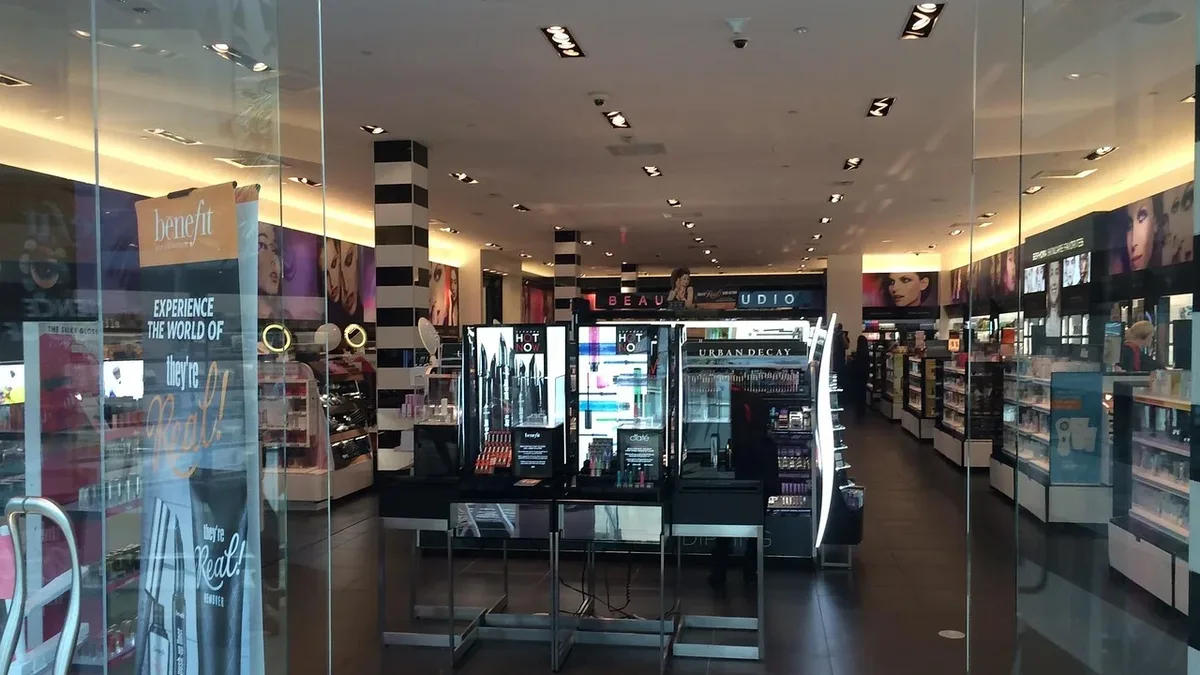
KAYALI Launches in China Through Sephora Partnership
KAYALI enters the Chinese market on October 15, 2026, via more than 300 Sephora stores and digital platforms, marking its first major Asian expansion...

Gulf Fragrance Brands Capitalize on Latin America's Scent
Latin America's high spending on fragrance is creating export opportunities for Gulf perfume houses. Their intense, long-lasting oriental scents are...

Heritage Fragrance Houses Dominate Premium Sales
Despite a crowded market of new brands, established heritage fragrance houses continue to capture the majority of premium sales.

US Fragrance Market Shows Strong Growth in First Half
The US fragrance market grew robustly in the first half of 2026, with prestige sales up 6% and mass-market sales surging 15%, according to Circana...

US Fragrance Sales Show Strong Growth in First Half
Fragrance sales in the US grew 6% in selective channels and 15% in mass market during the first half of the year, according to Circana data.

Jo Malone London launches Dog Shampoo
Jo Malone London has entered the dog grooming market with a permanent shampoo created with WildWash. The £18 product, featured in a campaign with Tom...