British Houses
| Composition name | British Houses |
|---|---|
| Perfumer | Bertrand Duchaufour |
| House | Penhaligon's |
| First created | 2010s |
| Country of origin | United Kingdom |
| Fragrance family | Woody aromatic |
| Key notes | Juniper berry, Black pepper, Vetiver |
Origin and history
British Houses refers to a distinct category of fragrance compositions created by perfume houses based in the United Kingdom. This classification emerged as a recognizable style within perfumery during the late 20th century, gaining clearer definition in the 1990s and 2000s. Its development is intrinsically linked to the history and cultural sensibilities of Great Britain, drawing from a legacy of herbalism, gardening, and trade in aromatic materials. The style was not invented by a single perfumer but evolved through the work of several pioneering British noses and brands. These houses often react against the dominant French and Italian perfume traditions, seeking a different aesthetic rooted in their own landscape and history. The term "British Houses" is now used by fragrance enthusiasts and critics to describe perfumes that share a common set of olfactory and philosophical principles.
What it is for
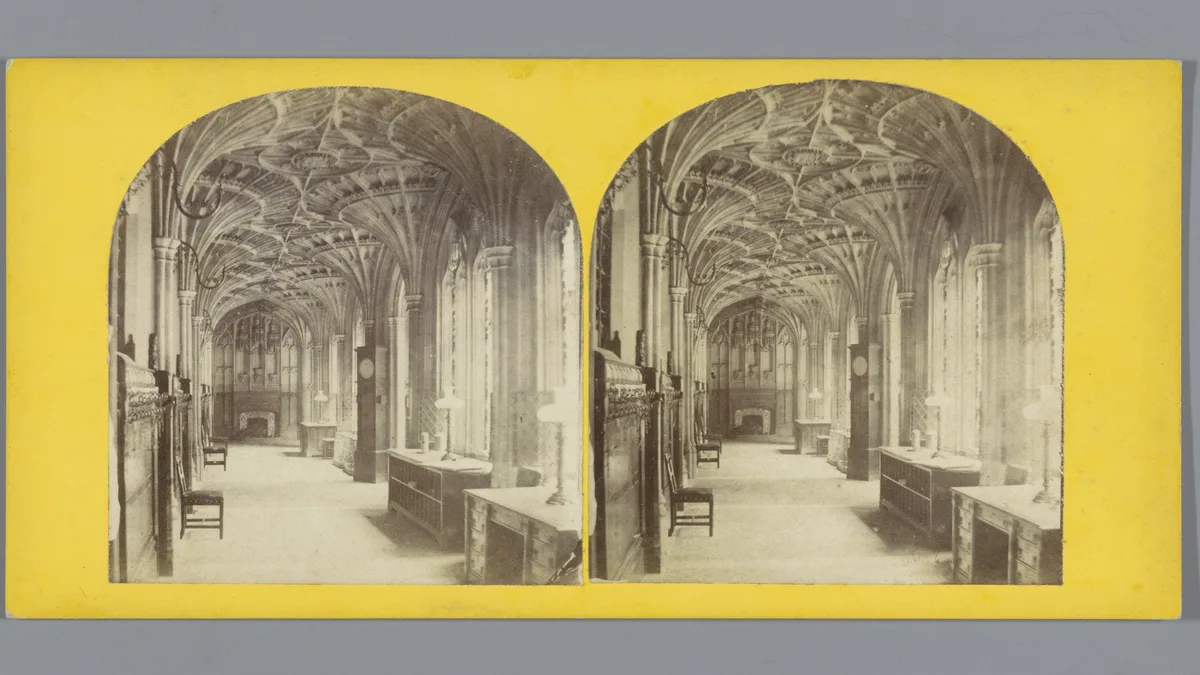
The primary purpose of a fragrance from a British House is to evoke a specific, often nostalgic, sense of place and atmosphere tied to the British Isles. These compositions are designed to smell like abstract interpretations of British landscapes, weather, and cultural artifacts rather than straightforward florals or orientals. They frequently aim to capture the scent of a damp garden after rain, a walk through a pine forest, or the leather and paper of an old library. Another key function is to provide an olfactory alternative to mainstream, often sweeter or louder, commercial fragrances, offering more introspective and nuanced scent experiences. They serve as a form of wearable art that reflects a distinctly British sensibility, which can include elements of eccentricity, understatement, and a connection to history. These perfumes are also created to showcase high-quality, often natural ingredients sourced or inspired by the British environment, such as native herbs, woods, and mosses.
Overview
British Houses perfume compositions are characterized by their frequent use of green, aromatic, woody, and earthy notes. Common accords include damp soil, petrichor, moss, oakwood, tobacco, leather, and herbal teas like lavender and chamomile. The overall effect is often described as atmospheric, evocative, and sometimes austere, favoring intellectual and emotional resonance over sheer sensuality or sweetness. There is a notable tendency to avoid overtly tropical or exotic fruits, loud synthetic candy notes, and bombastic floral bouquets typical of many global designer fragrances. The structure can be less linear than classical French perfumery, with a focus on creating a coherent mood or scene rather than a clear progression of top, heart, and base notes. Prominent houses that define this category include brands like Penhaligon's, with its historical colognes, and more contemporary studios like BeauFort London, which explores darker, nautical themes, or Miller Harris, which often translates urban London gardens into scent.
What to know
It is important to understand that British Houses perfumes often possess a certain coolness or dampness in their olfactory profile, a deliberate reflection of the British climate. These fragrances typically have moderate to low sillage and projection, favoring intimacy and personal enjoyment over announcing one's presence from across a room. The performance can vary significantly, with some being quite fleeting due to a high concentration of natural materials, which is considered a characteristic trade-off rather than a flaw. Knowledge of specific perfumers is less emphasized than the overall house style, though certain noses like Lyn Harris (of Perfumer H) or Ben Brannan (of 4160 Tuesdays) are strongly associated with the movement. The packaging and branding often lean towards classicism, apothecary aesthetics, or literary references, reinforcing the connection to heritage and storytelling. Consumers should approach these fragrances with an expectation of subtlety and complexity rather than immediate, crowd-pleasing appeal.
Common questions
A frequently asked question is whether British Houses perfumes are only suitable for cold weather, to which the answer is that many are designed for year-round wear, with their green and aromatic qualities feeling refreshing in warmer months. People often ask if these scents are universally likable, and the general consensus is that they are more niche and acquired tastes, potentially polarizing to those accustomed to sweeter or cleaner mainstream fragrances. Many wonder about the difference between classic British houses like Creed (though historically founded in London, its current style is not typically categorized here) and the modern British style, which is generally more avant-garde and conceptual. Enthusiasts commonly inquire about the best entry point into British perfumery, often being directed towards iconic compositions that exemplify the green, chypre, or aromatic fougère genres from these houses. Questions regarding value for money arise due to the sometimes higher price points, which are attributed to the use of quality ingredients and smaller-scale production. Another common query is about the availability of samples, which is highly recommended given the unique and personal nature of these olfactory experiences.
Pros and cons
A significant advantage of British Houses fragrances is their originality and depth, offering a sophisticated escape from ubiquitous commercial scent profiles. They provide a strong sense of identity and connection to place, which can be deeply satisfying for the wearer. The focus on quality materials and artistic intention often results in compositions that reveal different facets over time, rewarding close attention. A primary drawback is that their subtle, atmospheric nature can lead to disappointing longevity or projection for some users, who may find they disappear too quickly on skin. The distinctive, often unconventional accords like ink, smoke, or wet earth can be challenging or unpleasant to those expecting a traditionally beautiful or pleasing perfume. A common mistake is blind-buying a full bottle based on note lists alone, as the overall mood and effect can be difficult to predict without skin testing. Some who regret choosing these scents find they are too quiet for their personal style or that the evocative qualities feel melancholic or cold rather than uplifting.
Who it suits
British Houses perfumes suit individuals who value subtlety, narrative, and intellectual engagement over sheer olfactory impact. They are ideal for those with a connection to British culture, history, or landscapes, or for anyone seeking a fragrance that feels personal and private rather than performative. They often appeal to readers, writers, gardeners, and anyone with an appreciation for natural history and a somewhat nostalgic or romantic temperament. These compositions are well-matched to people who enjoy having a small, curated collection of scents for different moods and atmospheres rather than a single signature scent. They are less suited to those who prioritize extreme longevity, loud projection, or universally positive compliments from strangers. They also may not satisfy seekers of purely hedonistic, sweet, or solar fragrances, as the British style frequently embraces more shadowy, damp, and contemplative qualities.
Latest British Houses news
Latest reporting
Vyrao acquired by Tresalis after five years
British fragrance brand Vyrao, founded by former fashion executive Yasmin Sewell, has been acquired by the new beauty platform Tresalis.

Gulf Fragrance Brands Capitalize on Latin America's Scent
Latin America's high spending on fragrance is creating export opportunities for Gulf perfume houses. Their intense, long-lasting oriental scents are...
Heritage Fragrance Houses Dominate Premium Sales
Despite a crowded market of new brands, established heritage fragrance houses continue to capture the majority of premium sales.
Roja London Acquired by Extravaganza Beauty
The British haute perfumery house Roja London has been bought by Middle Eastern conglomerate Extravaganza Beauty.

Loose Setting Powder Revived by Major Beauty Houses
Charlotte Tilbury, Dior, and Too Faced are leading a 2026 revival of loose setting powder, reformulating it for modern skin-health-focused routines.
Cosmoprof Asia 2026 to Spotlight Niche Fragrance
The Cosmoprof Asia 2026 trade show will run from November 10-13 in Hong Kong, expecting over 78,000 visitors. A key new feature is an expanded niche...