French Independents
| Composition name | French Independents |
|---|---|
| House | L'Artisan Parfumeur |
| First created | 1980s |
| Original use | Perfume note accord |
| Country of origin | France |
| Note type | Accord |
| Character | Woody, aromatic, herbal |
Origin and history
French Independents refers to a category of perfumery houses that emerged primarily in France during the late 20th and early 21st centuries. This movement arose as a direct counterpoint to the large, commercial fragrance conglomerates that dominated the industry. The term itself is not a brand but a descriptor for a collection of small, often artisanal, perfume houses that prioritize creative autonomy and artistic expression over mass-market appeal. These houses are frequently founded by perfumers themselves or by creative directors with a specific olfactory vision, allowing for greater risk-taking in composition. Their historical roots can be traced to a renewed interest in classic perfumery materials and techniques, combined with a modern, often avant-garde, approach to scent storytelling. The proliferation of these houses was significantly aided by the rise of niche perfume retailers and dedicated online platforms, which provided a direct channel to discerning consumers.
What it is for
The category of French Independents exists to provide an alternative to mainstream, widely-distributed commercial fragrances. Its primary purpose is to serve as a platform for olfactory artistry, where the perfumer's vision is the central guiding principle without significant compromise for mass-market acceptance. These houses often aim to evoke specific emotions, memories, or concepts through scent, treating a fragrance as a form of wearable art rather than merely a consumer product. They cater to individuals seeking uniqueness, rarity, and a more personal connection to the story and creator behind their perfume. Furthermore, these houses frequently play an educational role, introducing wearers to rare raw materials, forgotten accords, or challenging scent profiles not typically found in department stores. The model also supports the preservation of traditional perfumery skills and encourages sustainable, ethical sourcing of ingredients through smaller-scale production.
Overview
French Independents represent a segment of the perfume industry characterized by small-scale production, owner-operated creative direction, and a focus on artistic integrity. The fragrances released under this banner are typically composed of high-quality, often natural, raw materials and are conceived as complete olfactory statements rather than variations on best-selling themes. Distribution is deliberately selective, usually confined to a handful of flagship boutiques, exclusive multi-brand retailers, or the house's own website, which maintains an aura of exclusivity and direct customer relationship. The packaging and branding for these fragrances are frequently minimalist or highly conceptual, reflecting the scent's narrative and distancing itself from the glossy advertising of luxury conglomerates. Critically, the perfumer's name is often prominently featured, a stark contrast to the anonymity of many commercial fragrance creators. The overall output of these houses is defined by its diversity, ranging from hyper-realistic recreations of landscapes to abstract intellectual exercises, united by a common ethos of independence.
What to know
It is crucial to understand that "French Independents" is an umbrella term, not a guarantee of quality; the artistic merit and technical execution can vary significantly between houses. These fragrances often possess a pronounced character and higher concentration of aromatic compounds, leading to greater projection and longevity, which can be overwhelming for those accustomed to lighter commercial scents. Sampling is considered essential before purchasing a full bottle, as the unconventional notes and structures may not align with mainstream tastes. The pricing for these perfumes is typically positioned in the luxury segment, reflecting the cost of rare materials, small-batch production, and the artistic value, though it does not always correlate directly with ingredient expense. Availability can be inconsistent, with some creations being released as limited editions or experiencing discontinuation based on material supply or the creator's whim. Engaging with these houses often requires more effort from the consumer, including researching the perfumer's background, understanding the fragrance's inspiration, and seeking out specialized points of sale.
Common questions
A frequent question is how to reliably identify a true French Independent house, with key indicators being ownership by the creative director or perfumer, a distinct and consistent artistic vision across collections, and limited distribution channels. Many people ask about the difference between niche and independent perfumery, where "niche" can include larger, well-funded brands owned by groups, while "independent" specifically denotes a lack of corporate ownership and smaller operational scale. Enthusiasts often inquire about the best way to discover and sample these fragrances, which typically involves visiting dedicated niche perfumeries in major cities or utilizing reputable decant and sample services online. Another common question concerns the stability and longevity of the fragrances, as some natural materials can evolve in the bottle over time or have a shorter shelf life than synthetic-heavy compositions. Potential buyers regularly ask if the high price is justified, which hinges on valuing artistic authorship and material quality over brand marketing. Finally, people wonder about the environmental and ethical practices of these houses, a factor that varies widely and requires direct investigation into each brand's sourcing and production statements.
Pros and cons
A significant advantage of French Independents is access to unique, thought-provoking scents that defy mainstream trends and offer a genuine point of olfactory differentiation. The connection to the perfumer and the story behind the fragrance adds a layer of meaning and authenticity that is often absent in corporate perfumery. The frequent use of high-quality naturals can result in complex, evolving scent profiles that change beautifully on the skin. However, a common drawback is the potential for inconsistency in performance and quality control due to artisanal production methods and batch variations in natural materials. The artistic focus can also lead to challenging, polarizing, or even unwearable creations for some, resulting in regret for buyers who blind-bottle based on description alone. A frequent mistake is equating a high price with universal likability or superior performance, when it may instead reflect the cost of a rare material that smells unfamiliar or unpleasant to the untrained nose. Furthermore, limited availability can lead to frustration when a beloved fragrance is discontinued without warning.
Who it suits
This category best suits experienced fragrance enthusiasts who are bored with mainstream offerings and actively seek olfactory education and discovery. It appeals to individuals who value the narrative and authorship behind a product as much as the product itself, and who enjoy researching and learning about perfumery as a craft. Wearers must have a degree of olfactory confidence, as these scents often invite comment and are not designed to be mere background ambiance. It is ideal for those who have the patience and resources to sample extensively before committing to a full bottle, understanding that a high price tag does not guarantee personal enjoyment. The category also resonates with consumers who prioritize supporting small businesses, artisans, and potentially more sustainable practices over large corporate entities. It is generally less suited for those seeking a simple, crowd-pleasing, inoffensive scent for daily wear or for individuals who are highly sensitive to strong or unusual aromas.
Latest French Independents news
Latest reporting
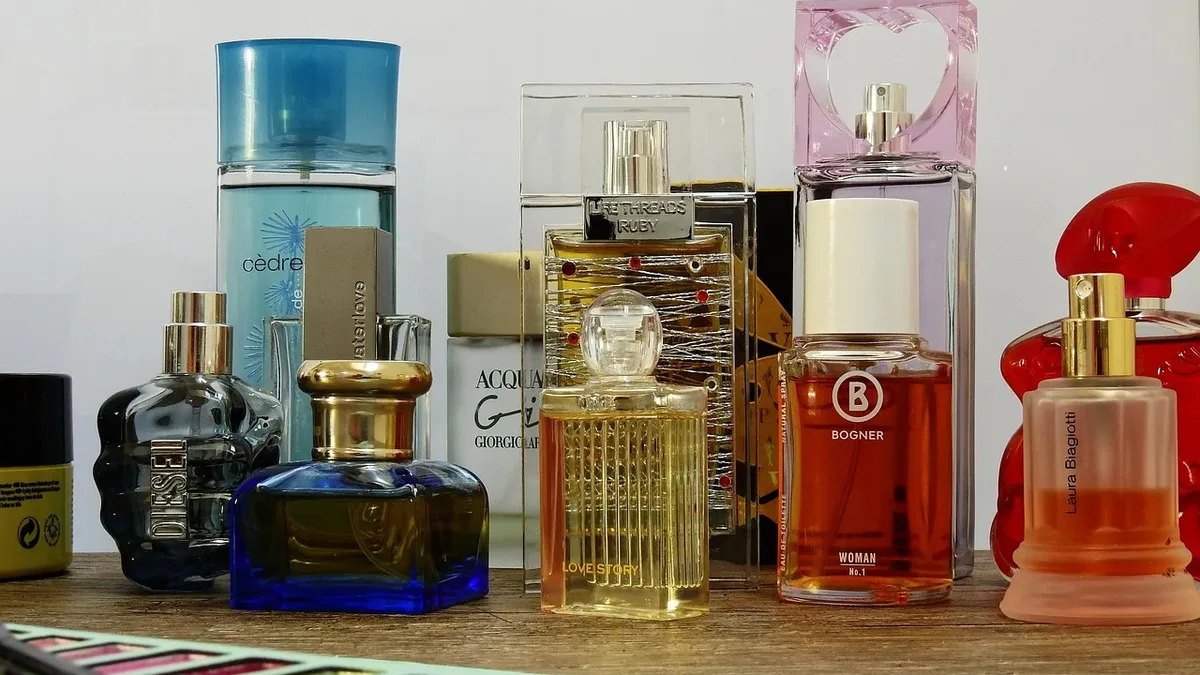
Nuxe Appoints Christine Delfaut-Sara as New CEO
Christine Delfaut-Sara has been named CEO of French beauty brand Nuxe, succeeding Muriel Koch effective 1 October 2026.

Mane Acquires Citrus Specialist Cvista
French fragrance and flavor group Mane has acquired Cvista, a US-based manufacturer of fractionated citrus essential oils, to strengthen its access...
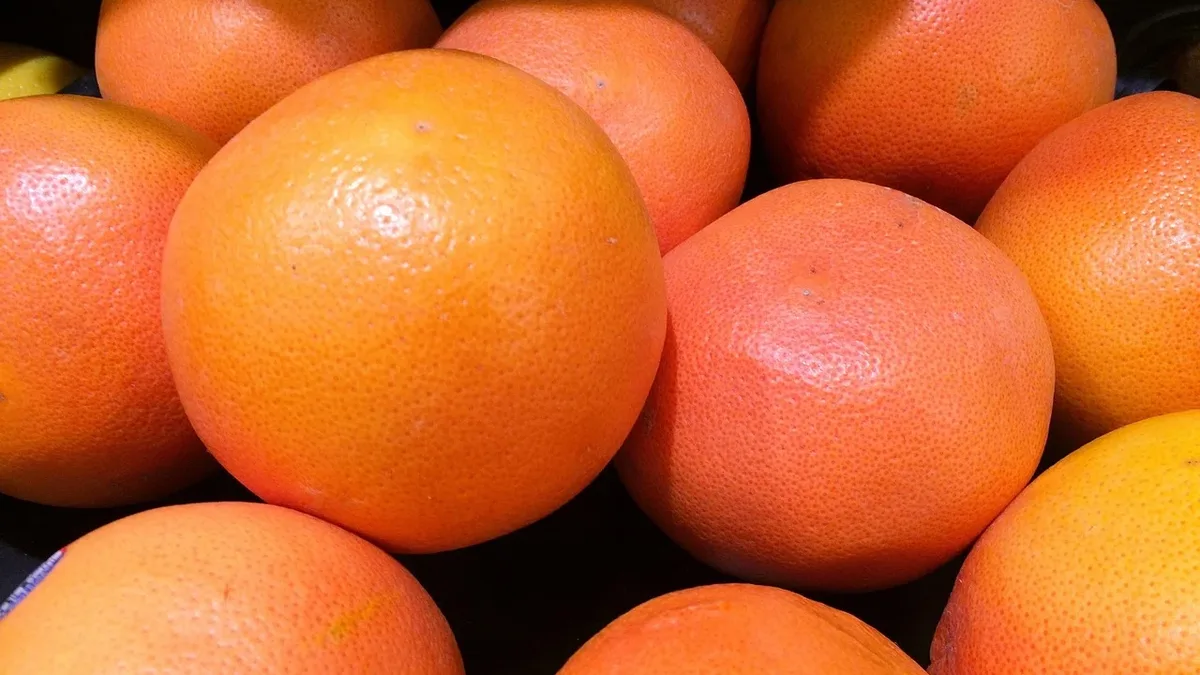
Mane Acquires Citrus Specialist Cvista
French fragrance and flavor group Mane has acquired U.S.-based Cvista to boost its citrus ingredient innovation.
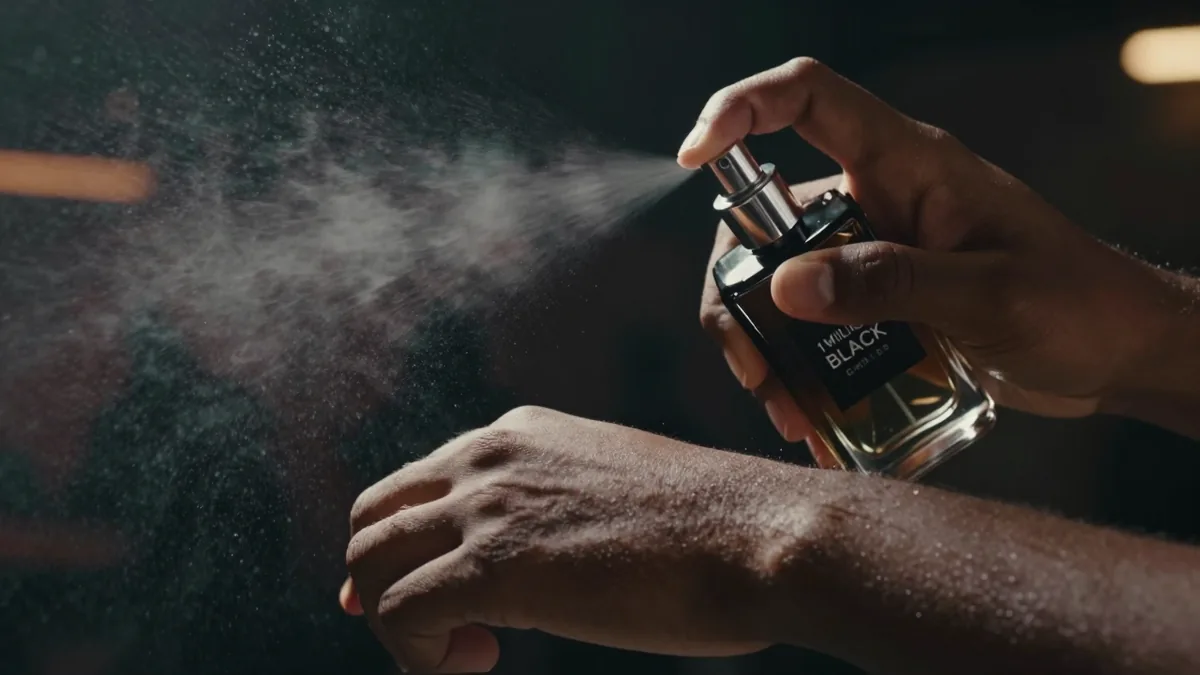
Rabanne Becomes First Exclusive Fragrance Partner for The Warehouse Project
French fashion and fragrance house Rabanne has secured an exclusive partnership with the UK club series The Warehouse Project, aligning its 1 Million...
French Perfumer Guerlain Mourns Loss of Makeup Creative Olivier Echaudemaison
Guerlain announces the passing of iconic makeup creative Olivier Echaudemaison, who worked with major personalities and collaborated with top fashion...