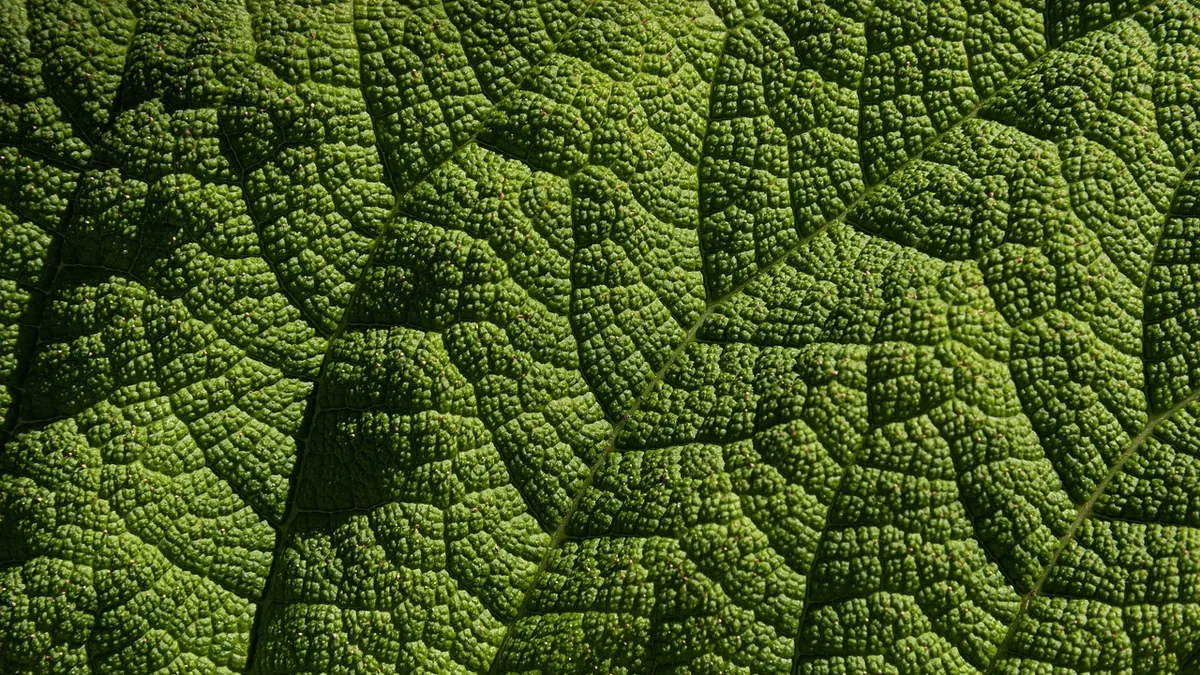
Green & Aromatic
| Composition name | Green & Aromatic |
|---|---|
| House | Recall |
| First created | 20th century |
| Original use | Perfumery accord |
| Note type | Accord / Fragrance family |
| Character | Fresh, herbaceous, often sharp |
Origin and history
Green & Aromatic is a classification of fragrance, not a single scent, originating from the perfumery traditions of Southern Europe, particularly the Mediterranean region. Its conceptual framework was solidified in the late 20th century, drawing from much older practices of using local aromatic herbs and greens. The style gained formal recognition and commercial traction within the fragrance industry during the 1990s. This period saw a rising consumer interest in fresh, natural-smelling scents as a counterpoint to heavier oriental and powdery compositions. While no single perfumer or house invented the term, its popularization is often associated with the work of several notable perfumers and brands operating in France and Italy during that decade. The classification endures as a staple genre in modern perfumery, continuously reinterpreted by various houses.
What it is for
This fragrance family is primarily designed to evoke a sensation of freshness, cleanliness, and natural vitality. It serves as a versatile choice for daytime wear, particularly in warmer climates and during the spring and summer seasons. The composition aims to conjure mental images of sun-drenched herb gardens, lush greenery, and the crisp air of Mediterranean landscapes. It is frequently used in personal fragrances intended for both men and women, as well as in home fragrancing products to create an uplifting and inviting atmosphere. The style functions as an olfactory refreshment, often perceived as non-intrusive and suitable for professional or casual settings. Its common application extends to products like aftershaves, body splashes, and linen sprays where a clean, herbaceous impression is desired.
Overview
The Green & Aromatic fragrance family is defined by its dominant notes of cut grass, crushed green leaves, herbs, and aromatic plants. These top notes are typically sharp, sappy, and sometimes slightly bitter, creating an immediate impression of verdancy. Common supporting notes include citrus elements like bergamot or lemon, which enhance the freshness, and often a dry, woody base such as vetiver or cedar to provide structure. Unlike single-note herbal scents, a full Green & Aromatic composition balances the pungency of herbs like rosemary, basil, or thyme with smoother mid-notes like lavender or geranium. The overall effect is rarely sweet or floral, instead prioritizing crisp, vegetal, and sometimes mineral qualities. The aroma profile is generally linear and persistent in its green character, rather than undergoing a dramatic transformation on the skin.
What to know
A key characteristic of this family is its frequent use of synthetic aroma chemicals like galbanum and dihydromyrcenol to amplify the green effect and boost longevity, as natural green notes can be fleeting. True Green & Aromatic fragrances often possess a certain astringency or coolness, sometimes compared to the smell of tomato vines or crushed stems, which can be challenging for some noses. The classification overlaps with but is distinct from the "Fougère" family, which is more firmly anchored by a lavender-coumarin-oakmoss accord and often feels more aromatic and sweetened. It is also separate from "Chypre" fragrances, which center on a mossy-woody accord with citrus top notes. Understanding this helps in navigating fragrance descriptions and avoiding disappointment when seeking a purely green experience. Performance can vary widely, with some classic examples being quite potent and others designed as lighter colognes.
Common questions
What is the difference between a green scent and an aromatic scent? In perfumery, "green" usually refers to the smell of leaves, grass, and stems, while "aromatic" specifically denotes pungent herbs like sage, thyme, and mint; a Green & Aromatic fragrance combines both. Are these fragrances only for men? No, while many classic examples were marketed as masculine, the genre is increasingly gender-neutral, with many houses releasing unisex or feminine-labeled scents within this family. Why do some Green & Aromatic fragrances smell soapy or harsh? This can result from certain aromatic herbs interacting with clean-smelling molecules like aldehydes or from a pronounced use of sharp, camphoraceous notes like eucalyptus. Do these scents last a long time? The top green notes are often volatile, but a well-built composition with woody basenotes will have moderate longevity, though they typically remain close to the skin. Can I wear this in winter? While possible, the cooling, fresh qualities are generally less complementary to cold weather than warmer oriental or spicy scents. What are some classic examples? Historical reference points include fragrances from the 1970s and 1990s that prominently feature galbanum, green tea, or complex herbal bouquets.
Pros and cons
A significant pro is the style's inherent freshness and versatility, making it a safe, inoffensive choice for office environments or active daytime use. The naturalistic imagery it projects is consistently appealing to those seeking a fragrance that smells clean and outdoorsy rather than synthetic or overtly sweet. However, a common con is that the very green notes which define it can register as harsh, metallic, or overly vegetal to some individuals, leading to a perception of smelling like lawn clippings or salad. The genre also risks smelling dated or generic, as many mass-market products have used similar aromatic themes in deodorants and cleaning supplies, undermining its sophistication. A frequent mistake is applying too heavily, which can overwhelm an enclosed space due to the penetrating nature of aromatic herbs. Those who regret choosing it are often individuals seeking a warm, comforting, or distinctly sweet fragrance profile, finding the green aromas too cold, sharp, or impersonal.
Who it suits
This fragrance family best suits individuals who prefer crisp, clean scents over those that are gourmand, intensely floral, or deeply woody. It is an excellent match for people with active lifestyles or those who spend significant time outdoors and wish to complement that aesthetic. The style appeals to wearers seeking a fragrance that feels modern and uncomplicated, without the density or opulence of evening-oriented perfumes. It is particularly well-suited to warmer climates where its refreshing qualities are most harmonious with the environment. Those who appreciate gardening, herbalism, or the scents of nature will often find a direct and pleasing connection in these compositions. While historically associated with masculine fragrances, it suits anyone, regardless of gender, who is drawn to its vibrant, herbaceous, and revitalizing character.
Latest Green & Aromatic news
Latest reporting

Ralf Schwieger's Free Yourself Aether Review
A review of Aether, a green floral fragrance from the Free Yourself house, composed by perfumer Ralf Schwieger for the brand's Elements collection.

Vintage Weil de Weil 1971: A Bitter Green
A review of the discontinued 1971 fragrance Weil de Weil, a green floral chypre composed under Jean-Pierre Weil's direction, featuring galbanum...
Ouai's Laurel Canyon Fragrance Features Fig
Ouai's new Laurel Canyon fragrance features fig leaf, green mandarin, and almond milk top notes, with a heart of jasmine and a woody, musky base.