Lavender
| Composition | Aromatic notes including lavender, often with herbs and citrus |
|---|---|
| Perfumer | Varies by fragrance |
| House | Varies by fragrance |
| First created | 20th century |
| Original use | Perfumery |
Origin and history
Lavender, specifically *Lavandula angustifolia*, is native to the mountainous regions of the Mediterranean basin, including parts of France, Spain, and Italy. Its use dates back to ancient civilizations, with documented evidence of cultivation and application by the Romans over two thousand years ago. The plant was historically valued for its antiseptic and cleansing properties, often used in bathing and for scenting linens. Systematic cultivation for essential oil production began in earnest in Europe, particularly in France, during the 17th century. The region of Provence in southern France later became globally synonymous with lavender fields and oil production from the 19th century onward. The material's transition into perfumery followed its established use in herbalism and household products, becoming a cornerstone of fragrance composition.
What it is for
In perfumery, lavender essential oil or its synthetic analogues serve as a key aromatic material providing a fresh, herbaceous, and slightly floral character with a clean, camphoraceous edge. Its primary function is as a top note, offering an immediate, recognizable burst of scent that defines the opening of a fragrance. It is foundational in the fougère fragrance family, where it is classically paired with oakmoss and coumarin to create a fresh, aromatic profile. Beyond fougères, lavender is used to add brightness and herbal complexity to citrus, chypre, and even some oriental compositions. The material also acts as a natural blending agent, helping to smooth and unite other disparate notes within a formula. Furthermore, its clean, classic aroma has made it a traditional choice for soaps, detergents, and other functional household products for centuries.
Pros and cons
A significant advantage of lavender is its versatility and broad familiarity, allowing perfumers to use it as a reliable bridge between citrus, herbal, and woody notes. It provides a classic, clean aroma that can ground a formulation and lend a sense of timeless sophistication. However, a common con is its potent association with household cleaning products and air fresheners, which can make it challenging to perceive as a luxury note in certain contexts. Some individuals regret choosing a lavender-forward fragrance because they find the scent too medicinal, soapy, or reminiscent of their grandparents' cupboards, leading to a lack of daily wearability for them. A frequent mistake in composition is over-relying on a standard lavender accord without sufficient modulation, resulting in a perfume that can smell generic, flat, or one-dimensional. Furthermore, natural lavender oil can vary dramatically in quality and scent profile depending on its origin and extraction method, introducing inconsistency, while synthetic versions may lack the full depth of the natural material.
Who it suits
Lavender-centric fragrances traditionally suit those who appreciate classic, aromatic, and barbershop-style scents that evoke a sense of clean, groomed elegance. They are often well-matched for individuals seeking a fragrance that is distinctive yet not overly sweet or fruity, favoring a more herbaceous and dry character. These compositions can appeal to wearers who prefer daytime scents with a refreshing quality, as opposed to dense, heavy orientals suited for evening. However, modern interpretations that blend lavender with unexpected notes like vanilla, amber, or incense can also attract those with more contemporary tastes looking for a twist on a classic. It generally suits people who are not averse to scents perceived as traditionally masculine, as lavender has been a historic pillar of men's perfumery. Ultimately, it is for the wearer who values clarity, heritage, and a non-cloying freshness in their fragrance wardrobe.
Latest Lavender news
Latest reporting
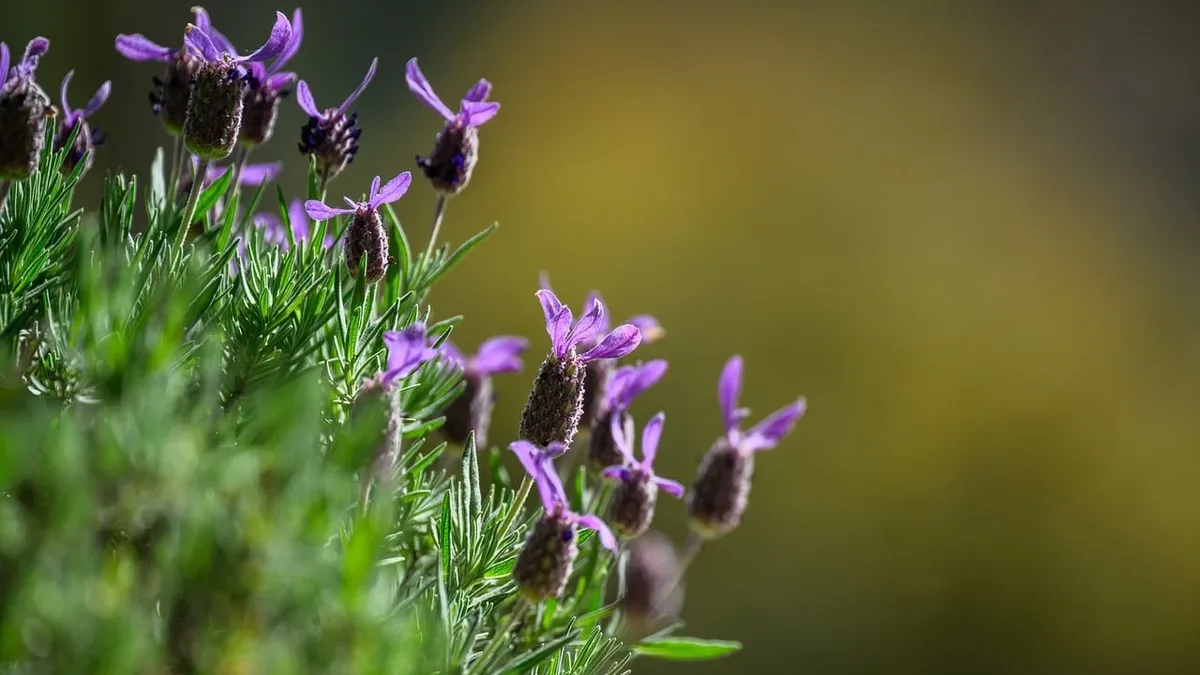
Lavender and Lavandin Production in Provence
The SCA3P cooperative, supported by dsm-firmenich, manages over a quarter of global lavandin production. The article details the olfactory profiles...
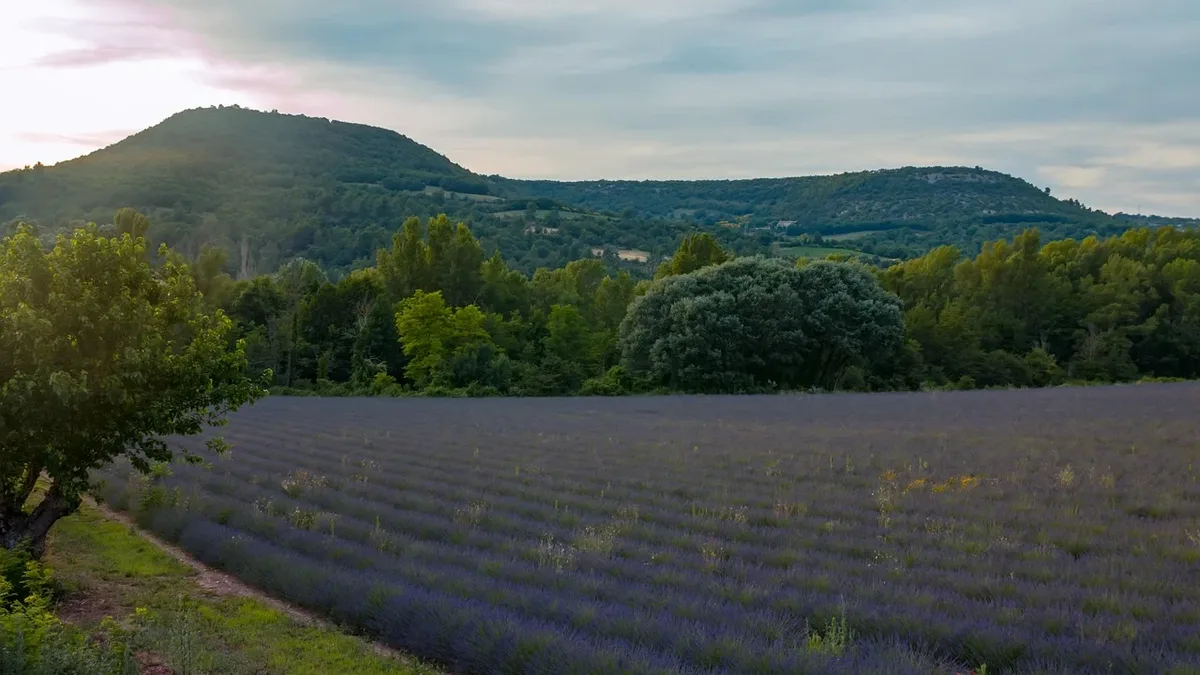
Dsm-firmenich and SCA3P Detail Provence Lavender Harvest
The harvest of lavender and lavandin in Provence is underway, with cooperative SCA3P collecting over a quarter of global lavandin production.