Longevity By Skin Type
| Composition name | Longevity By Skin Type |
|---|---|
| Original use | Perfume |
Origin and history
Longevity By Skin Type is a conceptual framework for skincare formulation, not a specific commercial product. It originates from the broader field of dermatological science and cosmetic chemistry, with its principles being developed and refined over the late 20th and early 21st centuries. The core idea systematizes the understanding that different skin types age at different rates and exhibit distinct signs of aging. This framework was not created by a single perfumer or released by a specific fragrance house, as it pertains to skincare science rather than perfumery. Its development is attributed to cumulative research within dermatology and cosmetic science communities, primarily in North America, Europe, and East Asia. The concept became widely established in cosmetic industry literature and dermatological advice columns from approximately the 1990s onward. It serves as a foundational guideline for product developers and skincare professionals when creating targeted anti-aging regimens.
What it is for
The Longevity By Skin Type framework is used to guide the selection and application of skincare products and treatments aimed at delaying visible signs of aging. Its primary purpose is to move beyond a one-size-fits-all approach to anti-aging by categorizing common aging patterns linked to fundamental skin types. For instance, it provides specific recommendations for dry skin types, which are often prone to developing fine lines and wrinkles earlier due to a lack of natural oils. It also offers distinct guidance for oily skin types, which may experience aging through loss of elasticity and enlarged pores rather than deep wrinkling. The framework is utilized by dermatologists and aestheticians to create personalized prevention and correction plans for their clients. Furthermore, it informs the research and development departments of cosmetic companies in designing active ingredient complexes that address the specific aging concerns of each skin type classification.
Overview
Longevity By Skin Type is a classification system that pairs common skin types with their most probable aging trajectories and corresponding care strategies. The system typically delineates between normal, dry, oily, and combination skin, with some versions including sensitive skin as a distinct category. For each type, it outlines the characteristic structural weaknesses that become more pronounced over time, such as collagen depletion or moisture barrier dysfunction. The framework then maps these weaknesses to recommended ingredient categories, like humectants for dry skin or retinoids for collagen stimulation in oily skin. It emphasizes that the goal is not to prevent aging entirely, which is a biological inevitability, but to optimize the skin's health and appearance for one's specific genetic predisposition. This overview provides a structured mental model for both consumers and professionals to navigate the vast array of available anti-aging technologies and claims.
What to know
A critical thing to know is that an individual's skin type can change over time due to hormonal shifts, climate, medication, or the natural aging process itself, so the framework requires periodic reassessment. The classifications are generalizations, and many people will exhibit characteristics of more than one type, making a strict adherence to a single category's rules counterproductive. It is also essential to understand that this framework focuses on intrinsic aging factors, while extrinsic factors like sun exposure and smoking are universal accelerants of aging for all skin types. The recommendations are built upon established dermatological principles, but they are not a substitute for a diagnosis from a medical professional for specific skin conditions. Furthermore, the concept is often leveraged in marketing, so consumers should distinguish between the scientific framework and commercial products that may use the terminology loosely. Finally, consistency in a tailored routine is presented as being more important than any single miracle product within the Longevity By Skin Type paradigm.
Common questions
A common question is whether someone with oily skin needs anti-aging products at all, given that oiliness is often associated with slower wrinkle formation. The framework clarifies that oily skin ages through different mechanisms, such as sagging and textural issues, and still benefits from targeted actives like peptides and vitamin C. People frequently ask if they should use the most potent products available for their skin type, but the guidance stresses starting with lower concentrations to assess tolerance, especially for sensitive skin. Another recurring question involves how to apply the system when one has combination skin, which typically involves using different products or strengths on different facial zones, like a richer cream on dry cheeks. Many wonder if the framework applies to men's skin, and the principles are indeed universal, though men's skin thickness and shaving habits may require slight practical adjustments. Individuals also inquire about the age to start using a Longevity By Skin Type regimen, with the general advice being that prevention in the form of sun protection and basic health should begin early, with targeted correctives introduced as concerns appear.
Pros and cons
A significant pro of the Longevity By Skin Type framework is that it provides a logical, personalized starting point for individuals overwhelmed by generic anti-aging advice, helping them prioritize ingredients and treatments. It encourages a more scientific understanding of one's own skin, moving beyond marketing hype to focus on underlying biology and proven ingredient functions. A major con, however, is that it can lead to overly rigid thinking, where individuals force their skin into a single category and ignore its evolving needs or mixed signals. People often regret choosing products solely because they are labeled for their skin type, without patch testing or considering ingredient interactions, which can lead to irritation or ineffective results. The common mistake is assuming that a product's designation for "dry" or "oily" skin within this framework guarantees its efficacy, when in fact formulation quality, concentration, and individual biochemistry are equally critical. Furthermore, the framework can inadvertently downplay the paramount importance of daily broad-spectrum sunscreen, which is the most universally impactful longevity factor for every skin type.
Who it suits
This framework best suits skincare beginners or those feeling frustrated with trial-and-error, as it offers a clear, structured methodology for building a routine. It is particularly useful for individuals with clearly defined, stable skin types that align strongly with one of the classic categories, such as persistently dry or consistently oily skin. Dermatology patients and clients of aestheticians benefit from it as a communication tool to discuss aging concerns and treatment goals with their practitioner in a shared language. The concept also suits cosmetic chemists and product developers, for whom it serves as a fundamental blueprint for creating targeted and effective formulations. It is less suited for individuals with highly sensitive, reactive, or condition-prone skin (like rosacea or severe eczema), as their primary need is managing sensitivity before addressing generalized aging patterns. Ultimately, it suits pragmatic individuals who understand it is a guideline rather than a rigid rulebook and are willing to adapt its principles based on their skin's daily feedback.
Latest Longevity By Skin Type news
Latest reporting

Inolex Launches SustOleo Embrace for Fragrance Longevity
Inolex has launched SustOleo Embrace, a coconut-derived sensory enhancer that extends fragrance release on skin for up to 20 hours while improving...
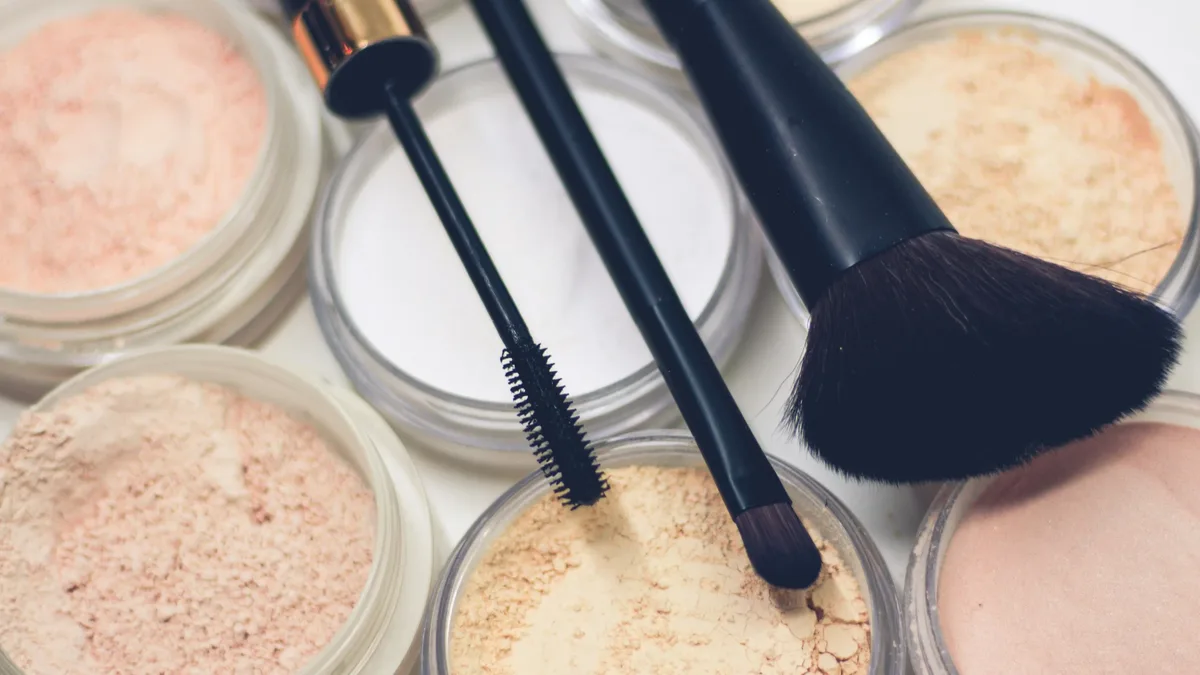
Loose Setting Powder Revived by Major Beauty Houses
Charlotte Tilbury, Dior, and Too Faced are leading a 2026 revival of loose setting powder, reformulating it for modern skin-health-focused routines.
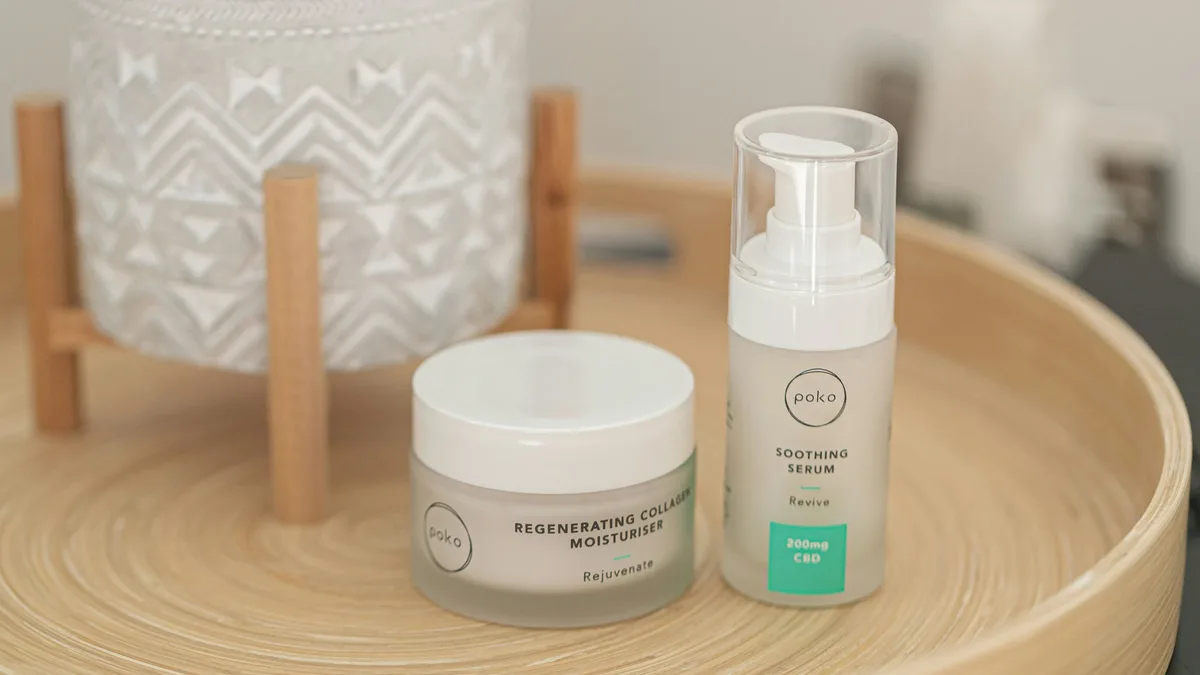
Core Biogenesis, Faravelli Launch Skin Longevity Butter
Core Biogenesis and Faravelli have introduced Skin Longevity Butter, a concept body care product featuring biomimetic growth factors.
Skin Longevity Butter concept unveiled by
Core Biogenesis and Faravelli have revealed a biotech body care concept called Skin Longevity Butter. It combines the company's exclusive Peauforia...
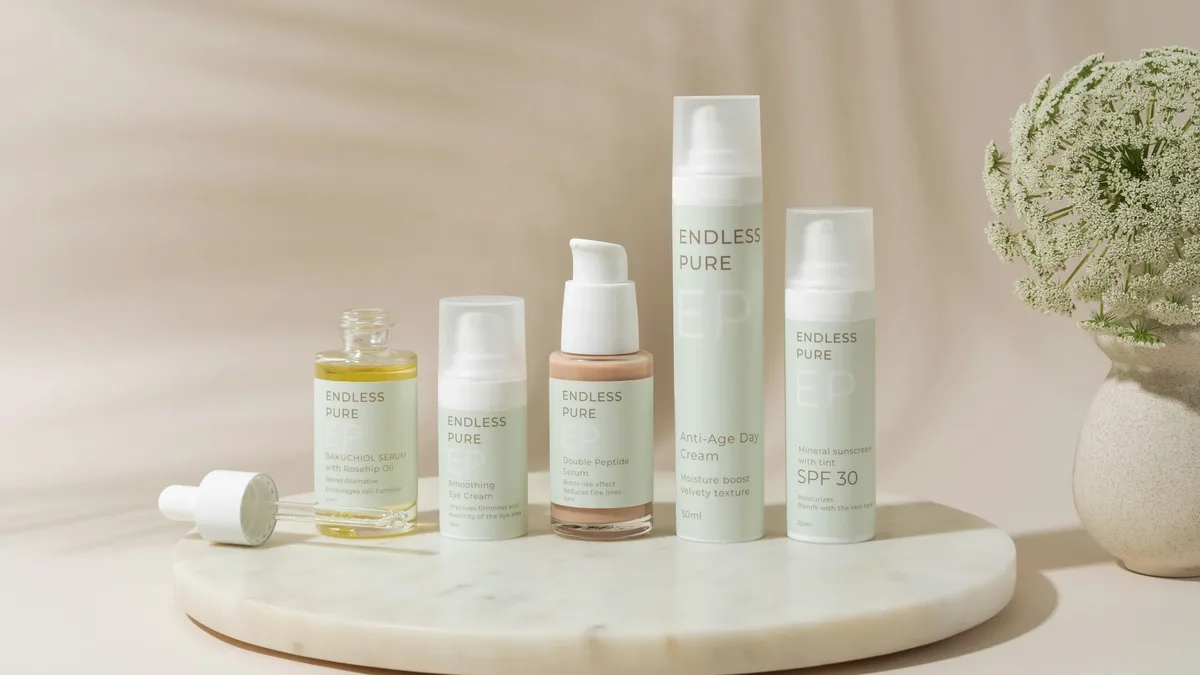
Allies of Skin founder Nicolas Travis exits
Nicolas Travis, founder and CEO of Allies of Skin, will leave the luxury skincare brand in February 2027. The company has appointed Alicia Valencia...

Weleda Revamps Skin Food with New Variants and Recycled Aluminium
Weleda’s Skin Food, launched in 1926 and now a 20% revenue driver, is expanding its range and returning to recycled aluminium tubes. New products...