Nordic And Eastern European Houses
| Composition name | Nordic And Eastern European Houses |
|---|---|
| House | Maison Francis Kurkdjian |
| First created | 2020s |
| Original use | Fragrance collection note |
| Fragrance family | Woody |
| Key accords | Woody, aromatic, fresh |
Origin and history
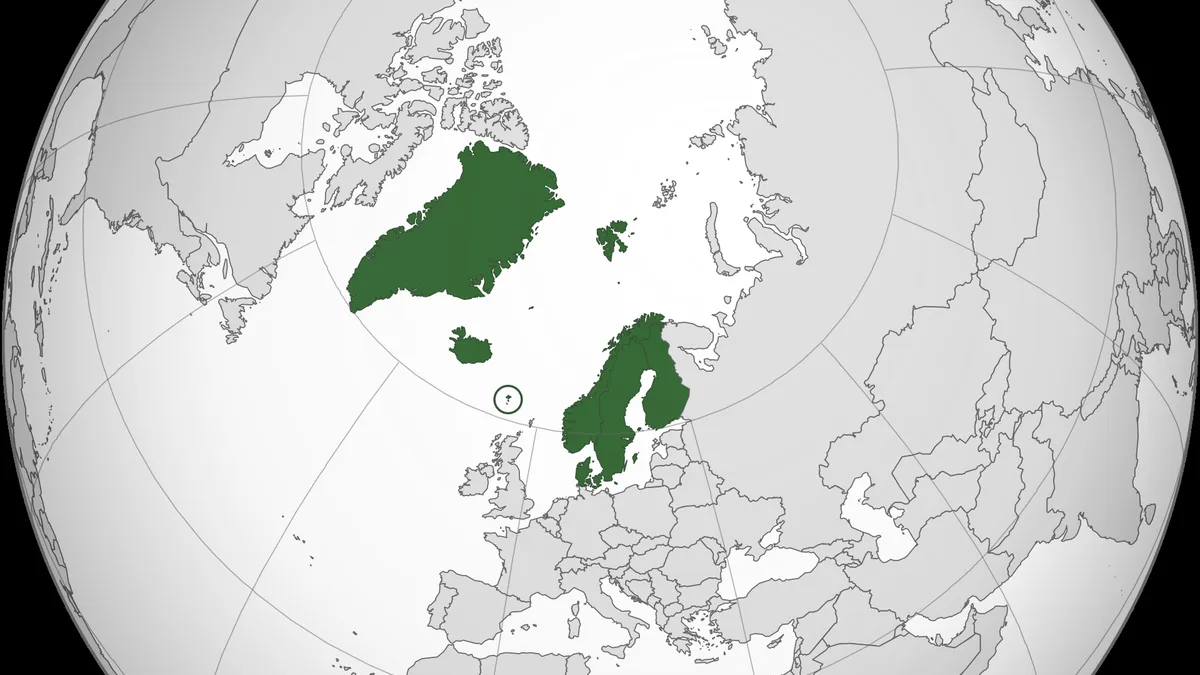
Nordic and Eastern European houses are a collective term for perfumery brands and fragrance lines originating from the Nordic countries and the nations of Eastern Europe. This categorization emerged as a recognizable trend in niche perfumery during the late 1990s and early 2000s. The rise of these houses coincided with a global interest in artisanal and regional scent profiles distinct from the dominant French and Italian traditions. Their origins are firmly rooted in the specific landscapes, cultural histories, and material resources of their respective regions. For instance, Nordic houses often draw from the boreal forests and coastal environments of Scandinavia, while Eastern European houses may reference historical trade routes, folk traditions, and local flora. The establishment of these houses represents a deliberate move to define a olfactory identity outside the established perfume capitals.
What it is for
This category of fragrance houses exists to translate specific regional sensibilities and natural environments into wearable scent compositions. Their primary purpose is to offer an alternative olfactory narrative to mainstream perfumery, focusing on authenticity of materials and a sense of place. These houses often aim to evoke the stark, clean atmosphere of Nordic landscapes or the complex, often melancholic history of Eastern European regions. They serve to preserve and modernize traditional aromatic materials, such as specific regional woods, herbs, and resins that may be less common in Western European perfumery. Furthermore, they function as cultural ambassadors, introducing global audiences to the aesthetic and emotional tones of their homelands through scent. The work of these houses is fundamentally about creating a perfumed geography that is both evocative and personal.
Overview
Nordic and Eastern European houses are characterized by a shared emphasis on minimalist, atmospheric, and often introspective fragrance profiles. Common notes across Nordic houses include crisp juniper berries, cool pine needles, salty sea air, birch tar, and various lichens, aiming for a transparent, airy quality. Eastern European houses frequently utilize notes like dark honey, church incense, leather, wild herbs, beetroot, and dense forest mushrooms, conveying a more somber and earthy character. The perfumers behind these scents are often from the region themselves, employing both modern synthetics and locally sourced natural materials to build their accords. Packaging and branding from these houses typically reflect a restrained, functionalist design ethos, avoiding overt luxury in favor of material authenticity. The overall output is less about overt seduction or glamour and more about creating a specific mood or memory of a landscape.
What to know
The term "Nordic and Eastern European houses" is an umbrella category and does not imply a monolithic style; significant variation exists between a Swedish house and a Polish house. These fragrances often prioritize longevity and sillage differently, with many designed for intimate wear and personal enjoyment rather than bold projection. Understanding the cultural and natural references behind the notes is key to appreciating the compositions fully, as they are often conceptual. Sourcing can be inconsistent for some smaller houses, and batch variations may occur due to the use of specific natural ingredients. The price point for these niche fragrances is typically in the mid to high range, reflecting their artisanal production and quality materials. It is advisable to sample extensively, as the aesthetic can be challenging for those accustomed to sweeter or more floral mainstream fragrances.
Common questions
A common question is whether these fragrances only smell like "forests" or "cold air," but the range is broader, encompassing abstract concepts like loneliness, resilience, and memory. People often ask how to differentiate between Nordic and Eastern European styles, with Nordic scents tending toward cooler, more mineral and aqueous accords and Eastern European scents leaning warmer, spicier, and more resinous. Many wonder about the availability of these fragrances, which is primarily through niche perfume retailers, dedicated online stores, or directly from the houses' own websites. Another frequent inquiry concerns the performance, with some noting that the more ethereal Nordic compositions have lighter longevity compared to the denser Eastern European offerings. Enthusiasts also ask for recommendations on entry-point fragrances from these regions to explore the style without committing to its most challenging examples. Questions about the ethical sourcing of materials, particularly regarding birch tar and certain mosses, are also prevalent among informed consumers.
Pros and cons
A significant pro is the unique and intellectual olfactory experience offered, providing a genuine alternative to ubiquitous commercial fragrances. The high-quality, often natural ingredients and thoughtful composition typically result in complex, evolving scents that reward attentive wearing. A major con is that the aesthetic can be too austere, abstract, or somber for some, leading to purchases that are admired but rarely worn. The minimalist, "cold" character of some Nordic scents in particular is a common point of regret for buyers who find them lacking in warmth or comfort. Performance can be inconsistent, with some celebrated fragrances having disappointingly short longevity or extremely subtle sillage, which frustrates those expecting stronger value. Another drawback is the relative difficulty in sampling before purchase, as these houses have fewer physical stockists, leading to blind-buy risks.
Who it suits
This style of fragrance suits individuals seeking a scent that feels personal, intellectual, and disconnected from fashion trends. It is ideal for those who appreciate minimalist design, natural landscapes, and fragrances that evoke a specific mood or memory rather than simply smelling "good." People with an interest in geography, cultural history, or botany often find a deep connection with the narratives behind these perfumes. It suits wearers who prefer intimate projection, where the scent is primarily for their own enjoyment or for those in very close proximity. Those who are easily fatigued by sweet, gourmand, or intensely floral mainstream perfumes may find the dry, earthy, or aqueous qualities here to be a relief. It is less suited for individuals seeking a bold, crowd-pleasing, or conventionally seductive fragrance for social or romantic occasions.
Latest Nordic And Eastern European Houses news
Latest reporting

Rhode Expands into Sephora Europe September 2026
Rhode launches across 19 European countries at over 500 Sephora stores on September 30, 2026, featuring exclusive products and immersive retail

Gulf Fragrance Brands Capitalize on Latin America's Scent
Latin America's high spending on fragrance is creating export opportunities for Gulf perfume houses. Their intense, long-lasting oriental scents are...
Heritage Fragrance Houses Dominate Premium Sales
Despite a crowded market of new brands, established heritage fragrance houses continue to capture the majority of premium sales.

Roja London Acquired by Extravaganza Beauty
The British haute perfumery house Roja London has been bought by Middle Eastern conglomerate Extravaganza Beauty.

Loose Setting Powder Revived by Major Beauty Houses
Charlotte Tilbury, Dior, and Too Faced are leading a 2026 revival of loose setting powder, reformulating it for modern skin-health-focused routines.

Cosmoprof Asia 2026 to Spotlight Niche Fragrance
The Cosmoprof Asia 2026 trade show will run from November 10-13 in Hong Kong, expecting over 78,000 visitors. A key new feature is an expanded niche...