Skin Scents And Minimalism
| Composition type | Perfume note / olfactory family |
|---|---|
| Original use | Creating a subtle, personal scent aura |
| First created | Late 20th century |
| Key characteristic | Low projection and sillage |
| Typical note ingredients | Iso E Super, ambroxan, musks, cashmeran |
| Common in houses | Escentric Molecules, Le Labo, Byredo |
| Scent profile | Often abstract, clean, and intimate |
Origin and history
Skin scents and minimalism as a defined fragrance category emerged in the late 1990s and early 2000s, primarily from perfumers and houses in Europe and North America. This movement developed as a direct counterpoint to the bold, highly projected, and often complex fragrances that dominated the market at the time. The philosophy draws from a broader minimalist aesthetic that values purity, subtlety, and reduction to essentials, which influenced various art and design fields in the late 20th century. Key early examples were created by houses like Maison Francis Kurkdjian, with his creation of the brand's signature scent in this style, and by perfumers exploring novel musk and cashmeran molecules. The trend gained significant commercial traction in the 2010s as consumer preferences shifted towards more discreet, personal, and office-friendly scents. Its historical roots are also tied to the traditional use of single-note ingredients like sandalwood or amber in various cultures, refined through modern perfumery techniques.
What it is for
Skin scents and minimalist fragrances are designed to create an intimate, personal scent bubble that is detectable only at very close proximity. Their primary purpose is to smell clean, soft, and like a natural extension of the wearer's own skin rather than an obvious perfume. They serve as versatile, inoffensive options for environments with strict scent policies, such as workplaces, medical facilities, or shared public spaces. These fragrances are often used as a subtle base layer, sometimes layered under other scents to modify their character or add a musky depth. They fulfill a desire for fragrance that is for the wearer's own private enjoyment, offering a psychological comfort rather than a public statement. Furthermore, they cater to individuals with scent sensitivities, as their lighter construction and lower projection can be less likely to trigger adverse reactions compared to more potent compositions.
Overview
A minimalist skin scent is a fragrance composition built around a limited palette of notes, typically featuring musks, clean woods, sheer florals, or soft amber, and designed to wear close to the body. The structure often avoids a traditional pyramid of top, heart, and base notes, instead presenting a more linear or singular olfactory impression from application to dry down. Perfumers achieve this effect through the use of modern synthetic molecules like ambroxan, cashmeran, and various white musks, which provide diffuse, velvety, and skin-like qualities. Notable houses associated with this style include Glossier, with its perfume "You," Escentric Molecules, with its iconic Molecule 01 (iso E super), and Byredo, with scents like "Blanche." The aesthetic prioritizes texture and sensation over narrative or overt complexity, creating a scent that feels "worn" rather than "applied." These compositions are frequently bottled in simple, apothecary-style vessels that reflect their understated philosophy.
What to know
It is crucial to understand that skin scents often have minimal sillage, meaning they leave little to no scent trail, and their longevity can vary significantly based on skin chemistry, sometimes lasting only a few hours. The performance is inherently subtle, and a common mistake is to overspray in an attempt to increase projection, which can lead to a distorted scent profile or an unpleasant chemical odor. Many minimalist fragrances rely heavily on synthetic aromachemicals, which are not inherently inferior but are chosen for their purity, stability, and ability to create abstract "your skin but better" effects. Testing on your own skin is essential, as these scents interact profoundly with an individual's natural skin oils and microbiome, creating a highly personalized result. The category overlaps with, but is distinct from, eau de colognes or body splashes, as it focuses on specific textural and musky notes rather than simple citrus freshness. Recognizing that "minimalism" in perfumery refers to an artistic reduction of elements, not a reduction in quality or perfumer skill, is key to appreciating these creations.
Common questions
A frequently asked question is whether skin scents are simply weak perfumes, to which the answer is no; they are intentionally crafted for low projection and intimate wear as a specific aesthetic choice. People often ask how to make a skin scent last longer, and while moisturizing the skin before application can help, the nature of the composition means extended longevity is not its primary design goal. Many wonder if these fragrances are suitable for men or women, and the category is overwhelmingly gender-neutral, focusing on abstract, clean, and textural notes that are not culturally gendered. A common inquiry concerns the difference between a skin scent and a musk perfume, with the understanding that while musk is a cornerstone note, a minimalist skin scent may use musk as a building block for a broader, cleaner, or woodier texture. Consumers regularly ask for recommendations of specific houses, with Le Labo, Another 13, and Juliette Has A Gun's "Not A Perfume" being perennial references in the category. Finally, individuals often question the value proposition, given the subtlety, which hinges on the wearer's personal valuation of discretion, comfort, and the artistry of simplicity over overt power.
Pros and cons
A significant advantage of skin scents is their social versatility, allowing wear in settings where stronger perfumes would be considered intrusive or against policy. They offer a high degree of wearability and can become a signature scent for individuals who prefer a constant, comforting aura rather than a changing olfactory statement. The common drawback is that many wearers, accustomed to perfumes with noticeable projection, find the subtlety frustrating and perceive them as poor value for money due to their limited external impact. A frequent mistake is applying them with the same expectation as a traditional eau de parfum, leading to overspraying that can cause the delicate balance of musks and synthetics to become cloying or chemically sharp. Those who regret choosing a minimalist scent often do so because they underestimated their own desire for a fragrance that performs as a noticeable accessory or communicates a specific mood to others. Conversely, the pro of personal intimacy can become a con in situations where the wearer desires a scent to be noticed or complimented, as these fragrances are specifically designed to avoid that outcome.
Who it suits
Skin scents and minimalist fragrances suit individuals who prioritize personal enjoyment of fragrance over making an external impression or receiving compliments. They are ideal for professionals in conservative fields such as law, healthcare, or education, where a discreet presence is a practical necessity. People with sensitive noses or those easily overwhelmed by strong perfumes often find this category more comfortable and wearable on a daily basis. They appeal to minimalists in lifestyle and aesthetics, who appreciate purity, reduction, and the elegance of essentials in all aspects of their consumption. Those new to fragrance, or who have previously disliked perfume, may find these accessible entry points due to their clean, inoffensive, and often familiar "laundry" or "soap" adjacent qualities. Finally, they suit seasoned fragrance enthusiasts looking for a palette cleanser, a layering base, or a quiet option for days when a bold scent feels inappropriate.
Latest Skin Scents And Minimalism news
Latest reporting
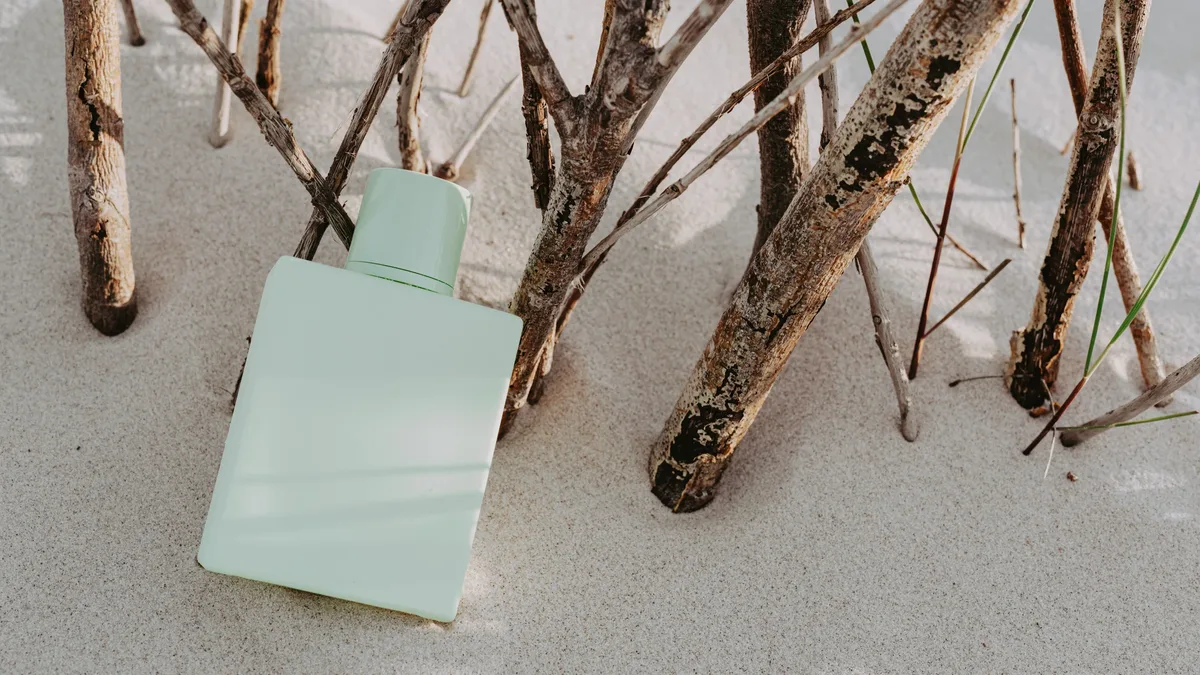
Gulf Fragrance Brands Capitalize on Latin America's Scent
Latin America's high spending on fragrance is creating export opportunities for Gulf perfume houses. Their intense, long-lasting oriental scents are...
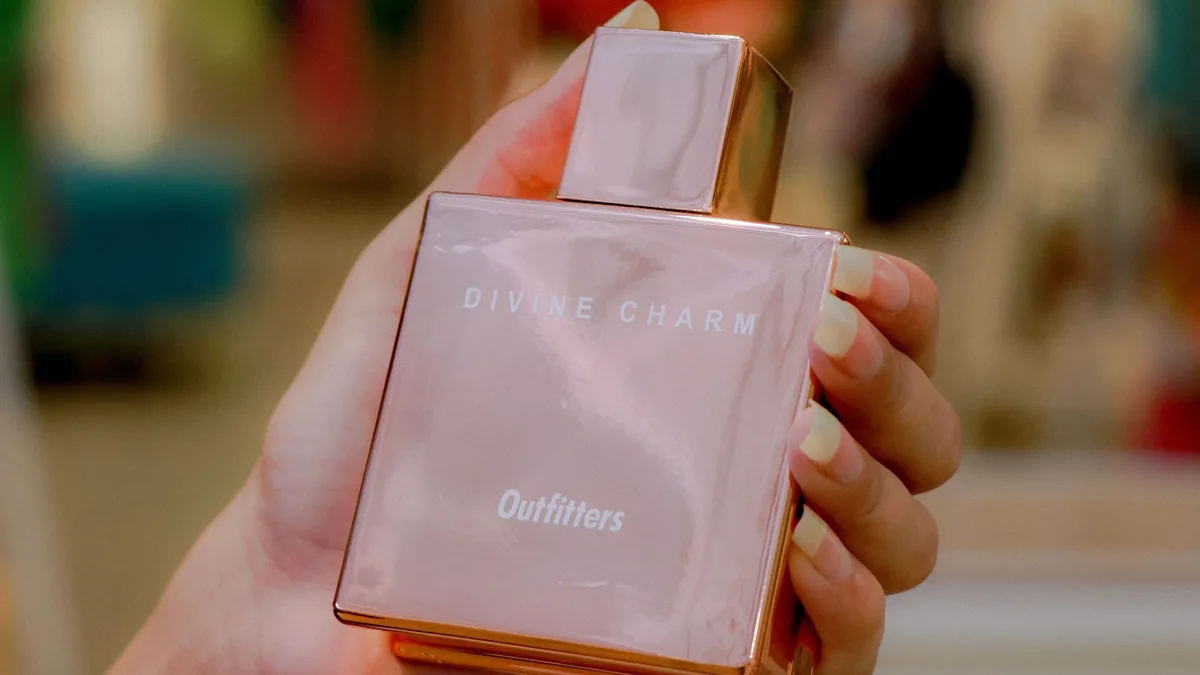
Inolex Launches SustOleo Embrace for Fragrance Longevity
Inolex has launched SustOleo Embrace, a coconut-derived sensory enhancer that extends fragrance release on skin for up to 20 hours while improving...
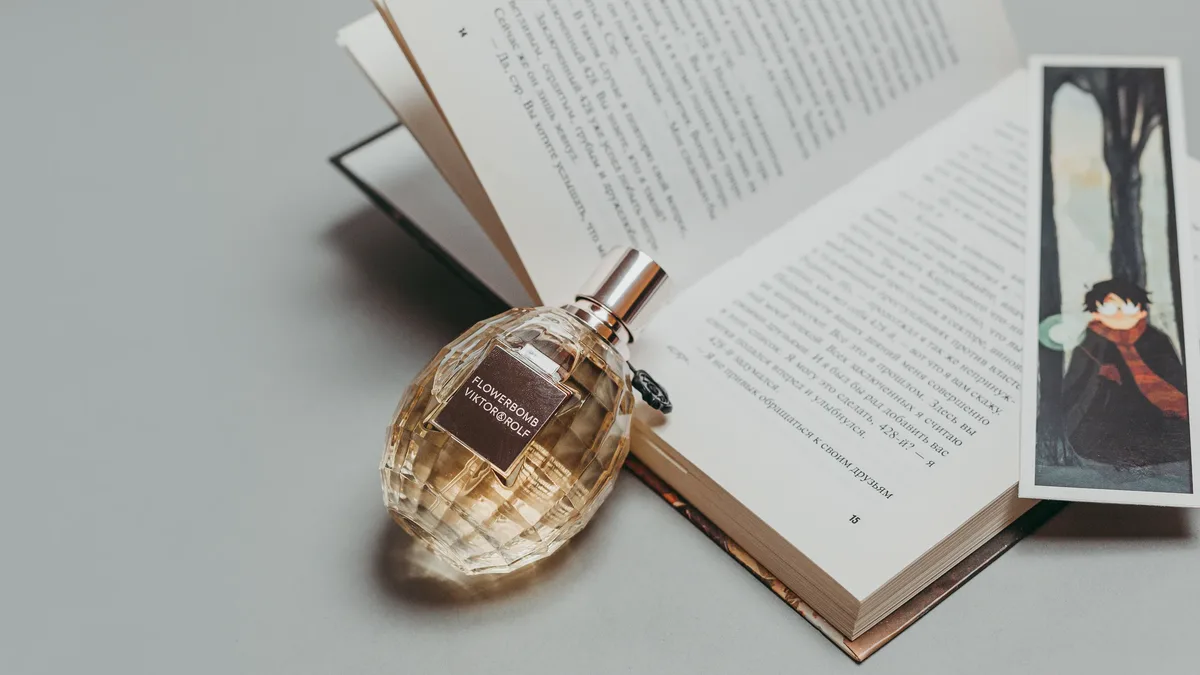
Index Fragrance House Turns Memories Into Bespoke Scents
London fragrance house Index, founded by perfumer Isabella Smith and artist Tigris Li, uses a conversational AI installation to translate personal...

Darren Alan Launches Hay-Inspired Fougère Foin Coupé
Artisan perfumer Darren Alan has released Foin Coupé, a neo-vintage fougère centered on hay absolute. The fragrance is a contemplative September...
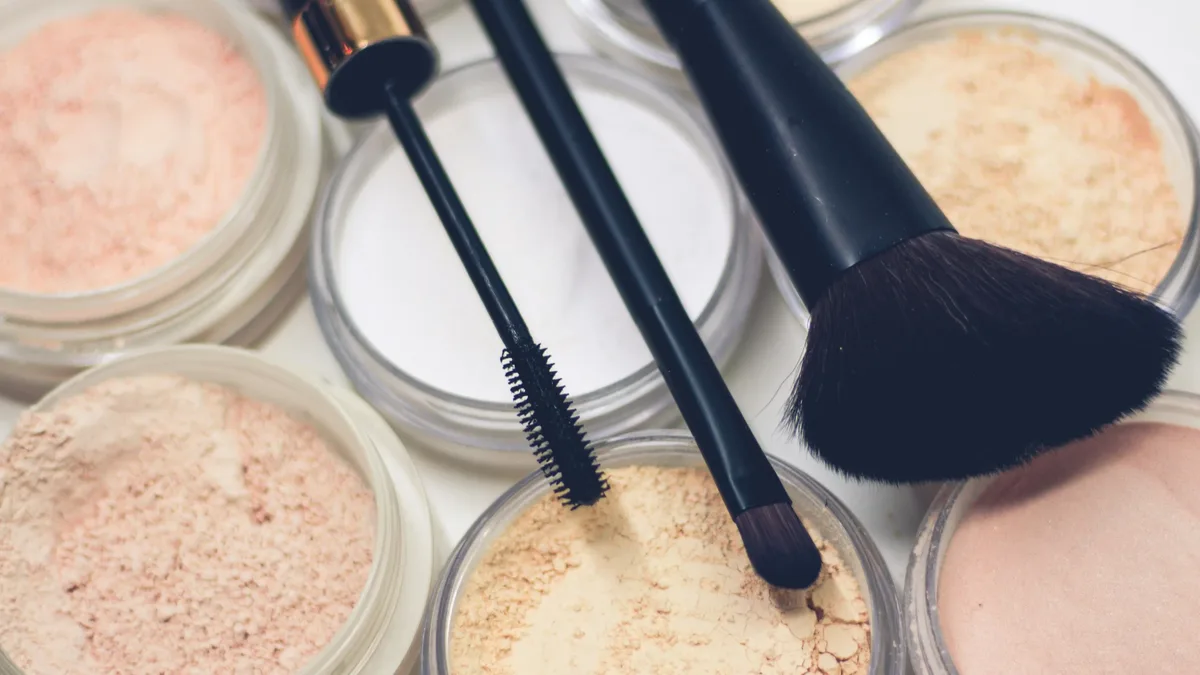
Loose Setting Powder Revived by Major Beauty Houses
Charlotte Tilbury, Dior, and Too Faced are leading a 2026 revival of loose setting powder, reformulating it for modern skin-health-focused routines.
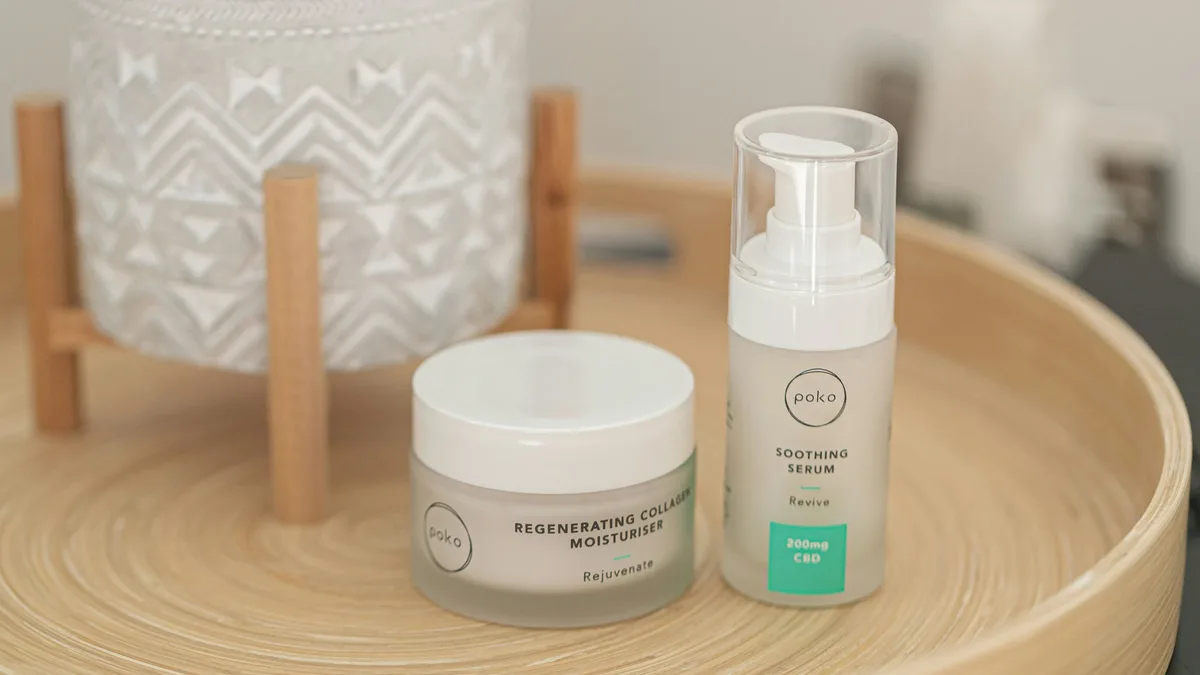
Core Biogenesis, Faravelli Launch Skin Longevity Butter
Core Biogenesis and Faravelli have introduced Skin Longevity Butter, a concept body care product featuring biomimetic growth factors.