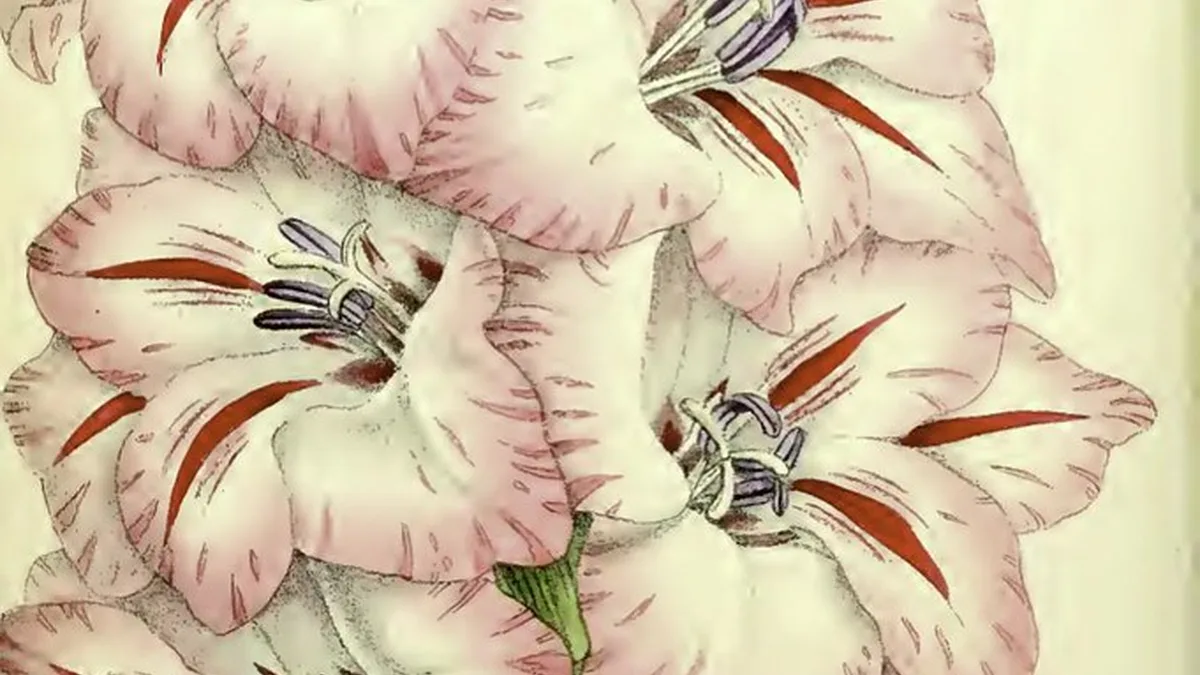
Floral
| House | Varies by composition |
|---|---|
| Perfumer | Varies by composition |
| Note type | Heart / Middle note |
| Character | Sweet, fresh, powdery, or green |
| Common sources | Rose, jasmine, lily, peony |
| Original use | Perfumery accord |
| First created | Ancient times |
Origin and history
The term "floral" in perfumery originates from the broader classification of scents, with its foundational materials deriving from the ancient practice of extracting fragrance from flowers. The systematic use of floral notes in Western perfumery was heavily developed in the Grasse region of France from the 17th century onward, with the cultivation of flowers like rose, jasmine, and orange blossom for essence production. The concept of a dedicated "floral" fragrance family, as distinct from oriental or chypre, was formally categorized by perfumers in the early 20th century. This classification was solidified with the creation of single-flower soliflore scents and complex floral bouquets throughout the 1900s. The modern understanding of floral notes encompasses both natural extracts and synthetic molecules that recreate or idealize the scent of blossoms. Its history is intrinsically linked to the advancement of extraction techniques such as enfleurage and solvent extraction, which allowed for the capture of these delicate aromas.
What it is for
Floral notes serve as the central aromatic theme in a vast segment of fine fragrances, providing the core identity for perfumes marketed as feminine, though they are increasingly used in genderless compositions. Their primary function is to impart the recognizable, often emotionally evocative, scent of blooming flowers, ranging from photorealistic to abstract interpretations. In perfume architecture, floral notes most commonly form the heart or middle notes of a fragrance, providing the main body that unfolds after the top notes evaporate. They are used to create specific impressions such as romance, freshness, opulence, or innocence, depending on the flower chosen and its blending partners. Beyond soliflores, florals are blended to create intricate bouquets and are also used as supporting players to soften or add complexity to other fragrance families like orientals or fougères. In functional products like soaps, detergents, and cosmetics, synthetic floral notes are ubiquitous for providing a clean, pleasant, and familiar scent profile.
Overview
Floral is one of the largest and most diverse olfactory families in perfumery, encompassing the scents of individual blossoms, arrangements of multiple flowers, and idealized abstract floralcy. This family is subdivided into several key categories, including soliflores (which mimic a single flower), floral bouquets, floral aldehydic, floral oriental, and soft floral (often featuring powdery or cosmetic notes). Classic natural floral materials include absolutes and essential oils from rose, jasmine sambac, jasmine grandiflorum, tuberose, ylang-ylang, orange blossom, and violet. Modern perfumery heavily employs synthetic aroma chemicals like hedione, which captures the radiant aspect of jasmine, or linalool, a fundamental component of many flower scents, to enhance stability, reduce cost, and create novel effects. The character of a floral note can vary dramatically from the dewy green freshness of lily of the valley to the indolic, animalic richness of certain jasmines or the creamy, voluptuous density of tuberose. A fragrance is typically classified as floral if these blossom-derived scents form the dominant and defining accord throughout its development on the skin.
What to know
The perceived quality of a floral fragrance is often linked to the proportion and origin of its natural ingredients, though high-quality synthetics are essential for modern perfumery and can create stunning effects. Key natural floral materials like jasmine and rose absolutes are among the most expensive in the world due to the immense quantity of petals needed for production, directly impacting a perfume's cost. Many natural floral extracts contain indoles, aromatic compounds that in low concentrations provide a narcotic depth but in higher concentrations can smell fecal or overly animalic, a divisive characteristic. The term "white floral" refers to a potent subgroup including tuberose, jasmine, gardenia, and frangipani, known for their intense, often heady, and sometimes indolic scent profile. Floral notes are highly susceptible to olfactory fatigue, meaning the nose becomes desensitized to them quickly, which can lead to over-application by the wearer. It is crucial to test a floral fragrance on skin and allow it to develop through its drydown, as chemical interactions with skin chemistry can significantly alter the scent from its initial spray.
Common questions
What is the difference between a floral and a white floral fragrance? While all white florals belong to the broader floral family, the term "white floral" specifically denotes a cluster of blossoms known for their rich, creamy, and intensely fragrant character, often with a indolic undertone. Are floral perfumes only for women? Historically marketed as such, the association is cultural rather than olfactory; floral notes appear in many acclaimed fragrances marketed to men or as gender-neutral, particularly in aromatic fougères or modern woody-floral blends. Why do some floral perfumes smell soapy or powdery? This effect often comes from the use of aldehydes, which can add a sparkling, clean lift, or from materials like iris root (orris), which has a distinctly powdery, violet-like scent. What does "soliflore" mean? A soliflore is a perfume constructed to mimic the scent of a single type of flower, though it may use a complex blend of natural and synthetic materials to achieve a more perfect, lasting impression than the natural flower itself. How long do floral notes typically last on the skin? As heart notes, natural floral absolutes can last several hours, but lighter floral synthetics or fresh floral accents may fade more quickly, especially compared to base notes like woods or musks. Can I layer different floral perfumes? Layering is possible but risky with florals, as complex bouquets can clash and become muddled; it is often safer to layer a floral scent with a simpler complementary note like vanilla or sandalwood.
Pros and cons
A significant pro of floral fragrances is their wide societal acceptance and association with cleanliness and pleasantness, making them a safe choice for office or formal settings. The immense variety within the family offers a spectrum from light and cheerful to dark and dramatic, providing an option for nearly every taste and occasion. However, a common con is their overwhelming popularity, which can lead to a lack of distinctiveness, with many mainstream releases smelling derivative and causing olfactory fatigue in crowded spaces. The frequent use of sweet, candy-like notes in modern commercial florals can render them cloying and juvenile, a formulation choice many enthusiasts regret. A prevalent mistake is selecting a floral perfume based solely on its top notes, which are often bright and fruity, without waiting for the heart notes to emerge, leading to disappointment when the developed scent is heavier or more powdery than expected. Furthermore, the performance of delicate fresh florals is often weak, with poor longevity and sillage, frustrating wearers who desire a lasting scent.
Who it suits
Floral fragrances suit individuals seeking a scent perceived as classic, romantic, or traditionally feminine, as well as those new to perfumery who prefer a recognizable and approachable aroma. Fresh, green, or aquatic florals are well-suited for active daytime wear, warm climates, or individuals who prefer a scent that feels clean and non-intrusive. Opulent, rich white florals or floral-oriental blends suit those with more confident tastes who enjoy a scent with significant presence and dramatic flair for evening or cooler weather. Soliflores appeal to purists or those with a particular affection for a specific flower, such as rose or violet, and who appreciate a more focused aromatic experience. The floral family generally does not suit individuals who are averse to sweet scents, who are highly sensitive to indolic animalic notes present in some natural extracts, or who prioritize extreme uniqueness and avoidance of common perfume profiles. Ultimately, due to its vastness, the floral category offers options for almost every wearer, provided careful attention is paid to the specific sub-family and composition.
Latest Floral news
Latest reporting
The 7 Virtues Launches Amber Orchid, a Modern 90s Floral
The 7 Virtues has released Amber Orchid, a new warm floral fragrance composed of golden apple, magnolia, and vanilla orchid.
Allure's 2026 Best of Beauty Scent Winners Announced
Allure has revealed its 19 Best of Beauty Scent winners for 2026, spanning categories from floral to gourmand. The list includes fragrances from D.S.

Ralf Schwieger's Free Yourself Aether Review
A review of Aether, a green floral fragrance from the Free Yourself house, composed by perfumer Ralf Schwieger for the brand's Elements collection.

Vintage Weil de Weil 1971: A Bitter Green
A review of the discontinued 1971 fragrance Weil de Weil, a green floral chypre composed under Jean-Pierre Weil's direction, featuring galbanum...
Floral Street Scentsticks tap scentmaxxing
The British fragrance brand Floral Street has introduced solid fragrance balms called Scentsticks. The refillable products, launching in four...