
Middle Eastern Houses
| House | Byredo |
|---|---|
| Perfumer | Jérôme Epinette |
| Fragrance family | Oriental |
| Key notes | Oud, saffron, papyrus |
| First created | 2010 |
| Country of origin | Sweden |
Origin and history
Middle Eastern Houses refers to a distinct category within the global perfume industry, originating from the Arabian Peninsula and the broader Middle East. Its modern commercial form emerged prominently in the late 20th century, particularly from the 1980s onwards, alongside economic growth and cultural revival in the Gulf region. These houses are often based in nations such as the United Arab Emirates, Saudi Arabia, Oman, and Kuwait. Their foundations are deeply rooted in centuries-old traditions of using precious aromatics like oud, rose, saffron, and sandalwood in the region. The category represents a deliberate and successful effort to formalize and globalize these regional olfactory traditions into structured luxury brands. This development moved beyond traditional attar-making to establish perfumery houses with international retail presence and dedicated creative direction.
What it is for
Middle Eastern Houses serve to provide fragrances that align with cultural preferences for intensity, longevity, and specific raw materials prized in the region. They fulfill a demand for scents that perform well in hot, arid climates where lighter compositions may fade quickly. These houses are central to the practice of fragrance layering, often creating perfumes intended to be worn in combination with one another or with traditional attars. They cater to a market seeking alternatives to mainstream Western fragrance profiles, offering opulent, often unisex, olfactory experiences. Furthermore, they act as custodians and modern interpreters of regional ingredients, most notably agarwood (oud), ensuring its continued prominence in global perfumery. Their offerings range from personal adornment to scents used for hospitality and ceremonial occasions.
Overview
A Middle Eastern House is a perfume brand whose creative ethos, ingredient sourcing, and core aesthetic are fundamentally anchored in the olfactory traditions of the Middle East. The fragrance compositions are typically characterized by their boldness, warmth, and substantial projection. Key notes across many offerings include various qualities of oud (woody, medicinal, animalic), rich roses (like Taif or Bulgarian), deep amber, sweet resins (like frankincense and myrrh), precious spices (saffron, cardamom), and creamy sandalwood. These houses frequently employ perfumers, both from the region and internationally, who specialize in working with these challenging, potent materials. The packaging and presentation often reflect luxury aesthetics, with intricate bottles and ornate detailing. The business models range from exclusive, niche offerings to expansive collections with wide international distribution.
What to know
The concentration of these fragrances is often extrait de parfum or strong eau de parfum, meaning they are potent and should be applied sparingly. Oud, a central note, varies dramatically in quality and scent profile, from smoky and woody to barnyard-like and medicinal, significantly affecting a perfume's character. Understanding the concept of mukhallat is useful, as it refers to traditional blends, and many modern houses produce contemporary versions. Middle Eastern Houses often release fragrances in collections or lines, sometimes exploring a single note like oud or rose through multiple interpretations. The pricing reflects the use of costly natural ingredients, particularly genuine oud oil and absolutes. It is common for these fragrances to evolve markedly on skin over many hours, with the deep base notes persisting the longest.
Common questions
What is the difference between Middle Eastern Houses and traditional attars? Attars are traditional oil-based perfumes, while Middle Eastern Houses typically produce alcohol-based sprays with complex, modern structures. Are all fragrances from these houses extremely strong? While known for potency, many houses also offer lighter, more approachable compositions, often labeled as "white" or "bright" oud. Is oud present in every fragrance they release? Oud is a signature, but many houses have extensive collections focusing on amber, floral, or fresh citrus themes without oud. Can these scents be worn in cooler climates or offices? With careful application, many can, but the bold, resinous ones are often better suited for personal enjoyment or evening wear. How does one choose a first fragrance from this category? Starting with a discovery set or a house's best-selling lighter offering is advised before exploring intense oud blends. Are these fragrances only for men? The category is overwhelmingly unisex, with marketing and use defying the gender binary common in Western perfumery.
Pros and cons
A significant pro is the exceptional longevity and sillage many of these fragrances offer, providing value and a pronounced olfactory presence. The quality of raw materials, particularly in higher-tier offerings, is often superior and more prominently featured than in many mainstream Western fragrances. The olfactory profile is distinctive and complex, offering a rewarding experience for those seeking an alternative to common fresh or sweet commercial scents. A primary con is that the intensity and specific notes, like animalic oud, can be challenging and overwhelming for those unaccustomed to them, potentially causing discomfort in shared spaces. The pricing for core collections can be very high, especially for perfumes containing real oud oil, placing them in a luxury niche market. A common mistake is over-applying due to olfactory fatigue, which can lead to the fragrance being overpowering to others.
Who it suits
These houses suit fragrance enthusiasts seeking deep, complex scents that evolve over time and who appreciate the narrative of traditional raw materials. They are ideal for individuals living in warm climates who have struggled with the poor performance of lighter citrus or aquatic fragrances. They suit those with a preference for unisex, non-fruity, or non-gourmand scent profiles, leaning towards woody, resinous, and floral-spicy families. The category appeals to collectors interested in the ingredient of oud itself, exploring its many facets across different houses and regions of origin. They are less suited to individuals who prefer subtle, close-to-the-skin scents or work in very restrictive environments regarding fragrance. They also may not suit beginners without prior sampling, due to the potential for strong reactions to unfamiliar notes like animalic or medicinal oud.
Latest Middle Eastern Houses news
Latest reporting
Gulf Fragrance Brands Capitalize on Latin America's Scent
Latin America's high spending on fragrance is creating export opportunities for Gulf perfume houses. Their intense, long-lasting oriental scents are...
Heritage Fragrance Houses Dominate Premium Sales
Despite a crowded market of new brands, established heritage fragrance houses continue to capture the majority of premium sales.
Roja London Acquired by Extravaganza Beauty
The British haute perfumery house Roja London has been bought by Middle Eastern conglomerate Extravaganza Beauty.
Loose Setting Powder Revived by Major Beauty Houses
Charlotte Tilbury, Dior, and Too Faced are leading a 2026 revival of loose setting powder, reformulating it for modern skin-health-focused routines.
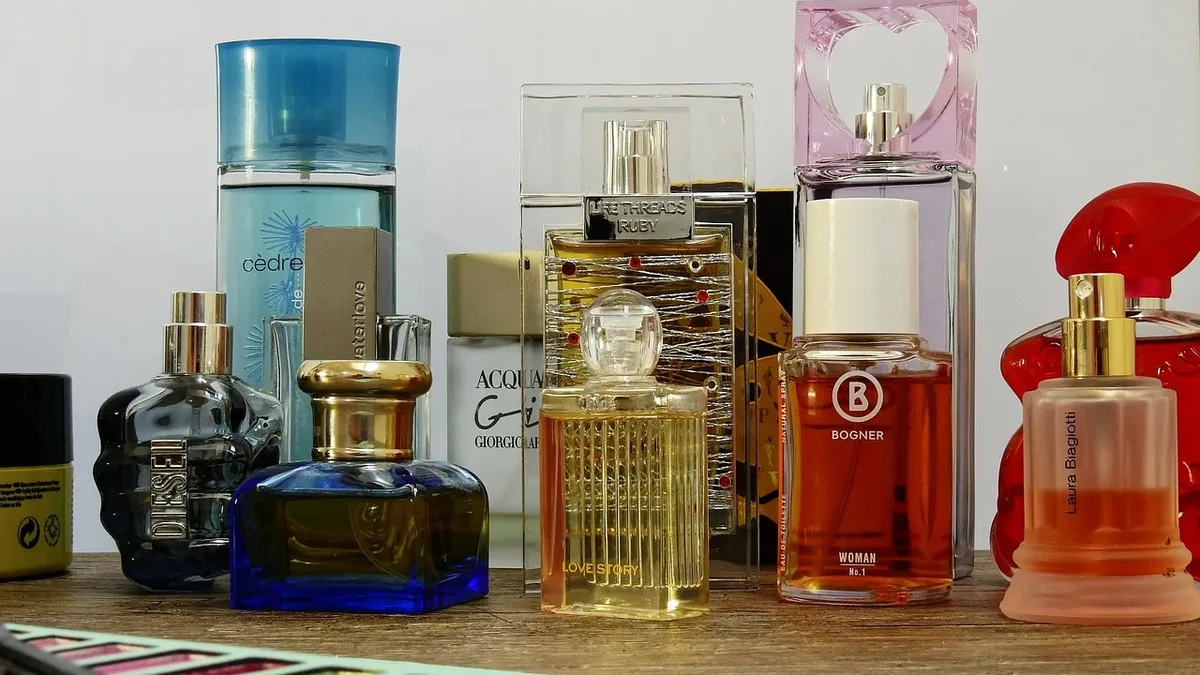
Beautyworld Middle East Marks 30 Years as Gulf Fragrance Hub
The Beautyworld Middle East trade fair celebrates its 30th edition in October 2026, highlighting Dubai's rise as a strategic global fragrance centre.
Cosmoprof Asia 2026 to Spotlight Niche Fragrance
The Cosmoprof Asia 2026 trade show will run from November 10-13 in Hong Kong, expecting over 78,000 visitors. A key new feature is an expanded niche...