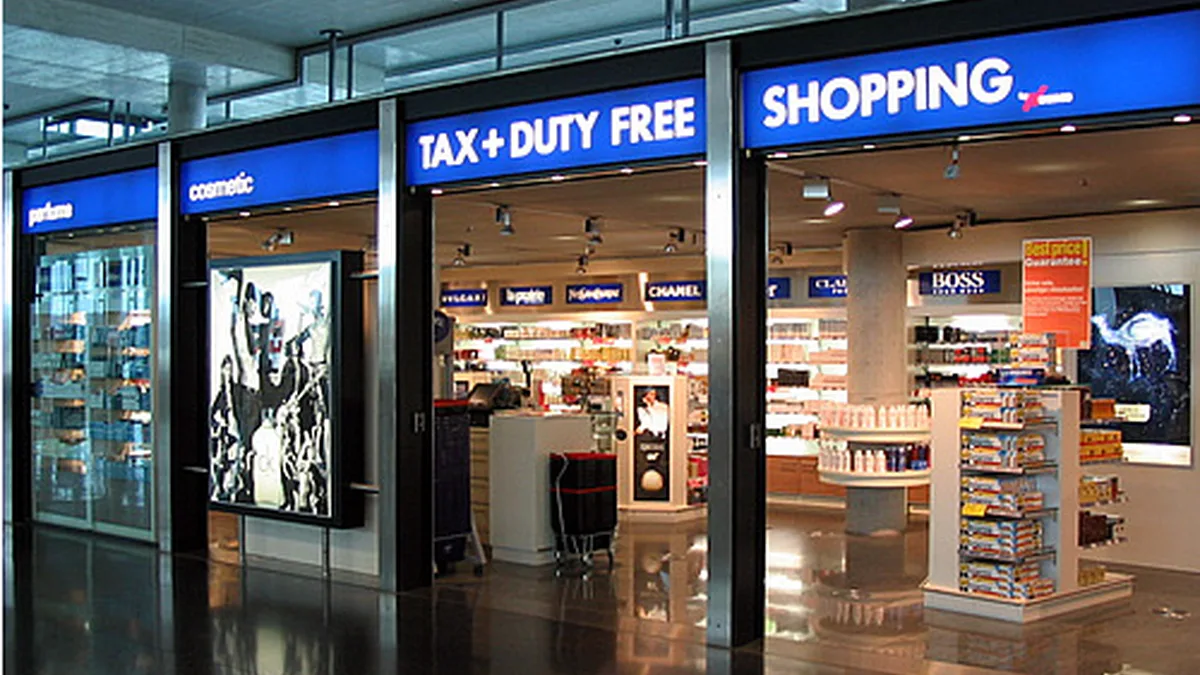
Travel Retail And Duty Free Exclusives
| House | Varies by release |
|---|---|
| Perfumer | Varies by release |
| Availability | Exclusively in travel retail and duty-free shops |
| Product type | Fragrance (e.g., eau de parfum, eau de toilette) |
| Size | Often in larger volumes (e.g., 100ml to 200ml) |
| First created | Varies by release |
| Country of origin | Varies by house |
Origin and history
Travel Retail And Duty Free Exclusives are a category of consumer products, primarily fragrances and spirits, created specifically for sale in airport duty-free shops and other international travel retail outlets. This commercial practice emerged in the late 20th century, coinciding with the global expansion of air travel and the growth of dedicated airport shopping malls. The concept originated as a strategy by luxury brands to offer unique products unavailable in domestic markets, thereby incentivizing purchases from an international, captive audience. These exclusives are not tied to a single country of origin but are a global retail phenomenon developed by multinational corporations. Their history is fundamentally linked to the economic model of duty-free zones, where goods can be sold without local taxes and import duties. The strategy has evolved from simple travel-sized versions of mainstream products to complex, limited-edition creations designed to appeal to the global traveler.
What it is for
Travel Retail And Duty Free Exclusives are designed for a specific commercial purpose: to drive sales within the controlled environment of international travel hubs. Their primary function is to create a sense of urgency and uniqueness for a transient customer base, encouraging impulse purchases that might not occur in a regular retail setting. These products serve as marketing tools for brands, allowing them to test new concepts or flankers with a global audience without diluting their main market presence. They are also intended to cater to the gift-buying needs of travelers, offering prestigious items perceived as special or unavailable back home. Furthermore, the exclusives often serve as a brand's flagship presentation in airports, acting as a high-margin product category that benefits from tax-free advantages. Ultimately, they exist to capitalize on a shopper who is in a transitional state, often with time to spare and a willingness to spend on luxury or novelty.
Overview
Travel Retail And Duty Free Exclusives are special product variants released solely through airport duty-free shops and similar travel retail channels. They are most prevalent in the fragrance and cosmetics industry, as well as in spirits and confectionery, where brands create unique packaging, special blends, or larger "value" sizes. These items are not merely repackaged standard products; they often feature different scent compositions, higher concentrations, or collaborative editions that are not distributed elsewhere. The category is defined by its limited distribution channel, not by a consistent style or olfactory family. From an industry perspective, these exclusives represent a significant and lucrative segment, with entire divisions of major fragrance houses dedicated to their development. Their existence is a direct function of the separate commercial ecosystem of international travel, operating parallel to, but distinctly apart from, domestic retail markets.
What to know
A key fact to understand is that Travel Retail And Duty Free Exclusives are generally not limited in time in the same way as a typical limited edition; they may be produced for years but remain confined to the travel retail channel. Consumers should know that the "exclusive" tag refers solely to the point of sale, not necessarily to the rarity or superior quality of the product inside. It is common for these products to be offered in larger bottle sizes or twin packs that are impractical for regular retail, emphasizing perceived value for the traveler. The pricing, while tax-free, is not always lower than domestic retail for an equivalent volume, as the value proposition is built on exclusivity and convenience. Importantly, these fragrances are rarely added to a brand's permanent portfolio and can become permanently unavailable if a traveler does not purchase them during their trip. Additionally, the practice has led to a secondary market where these exclusives are resold online, often at a premium due to their inaccessible nature for non-travelers.
Common questions
A frequently asked question is whether Travel Retail exclusives are of higher quality than their mainstream counterparts, to which the answer is typically no; they are different iterations, not inherently superior. Consumers often inquire if these products will ever be released in regular stores, which is exceptionally rare as it would undermine their core travel-retail rationale. Another common question concerns the legality of purchasing these items, which is perfectly legal for international travelers within the regulated duty-free allowances of their destination country. People ask how to identify a travel exclusive, which is usually indicated on the packaging or through retailer information, and sometimes by the absence of the product on the brand's main website. Many wonder if the larger "value" sizes are genuinely a better deal, which requires careful comparison against domestic prices per milliliter, factoring in the absence of local taxes. Lastly, travelers often question the availability of testers, which is standard in larger duty-free shops, allowing customers to experience the scent before committing to a purchase.
Pros and cons
A significant pro is access to unique products that can serve as a souvenir of a trip, offering a scent memory unavailable to the general public. The larger bottle formats common in this channel can provide a cost-per-milliliter advantage for a frequent wearer who finds a favorite exclusive. For brands, it allows for creative experimentation without the risk of launching a full market flop. A major con is the inherent pressure and time constraint of the shopping environment, which can lead to rushed decisions and subsequent regret over a blind-buy. The common mistake is assuming the exclusive is automatically a "better" version, when it may simply be a different or more intense flanker that does not suit the buyer's taste. Many consumers regret these purchases upon returning home, finding the scent impractical for daily wear or the large bottle size cumbersome, leading to eventual resale or waste. Furthermore, the inability to easily repurchase a beloved exclusive once it is finished can be a source of frustration, locking the user out of a fragrance they may have grown attached to.
Who it suits
Travel Retail And Duty Free Exclusives best suit the frequent international traveler who enjoys the ritual of airport shopping and seeks tangible mementos from journeys. They are ideal for fragrance enthusiasts and collectors who are driven by the pursuit of rare or unusual items not found in mainstream retail. The category suits the gift-buyer looking for a prestigious present that carries the cachet of being from an exotic location or duty-free shop. Impulse shoppers who are attracted by the "here and now" exclusivity and are comfortable making quick decisions based on initial impressions may also find this category appealing. It is less suited to the cautious buyer who prefers extensive research, sampling, and the option to return a product, as the travel retail environment typically negates these possibilities. Finally, it suits those with a clear understanding of their olfactory preferences, as blind-buying a unique composition carries a high risk of disappointment.
Latest Travel Retail And Duty Free Exclusives news
Latest reporting
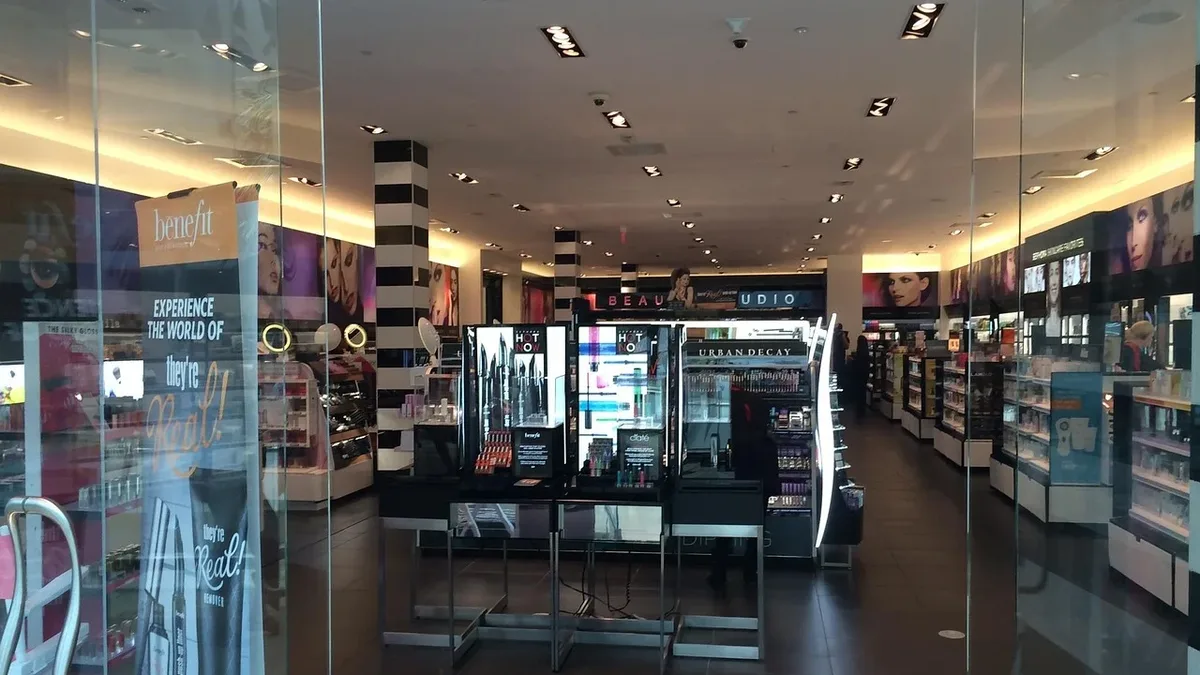
Rhode Expands into Sephora Europe September 2026
Rhode launches across 19 European countries at over 500 Sephora stores on September 30, 2026, featuring exclusive products and immersive retail

Molton Brown Opens Immersive Scent Pavilion at Bluewater
Molton Brown has launched its first UK Scent Pavilion at Bluewater in Kent, introducing a new retail concept structured around three immersive...
Parfex Launches NovaSilk for Alcohol-Free Fragrance Creation
Parfex introduces two new alcohol-free fragrance technologies, NovaSilk® and NovaSilk® Clear, enabling up to 20% fragrance loads and offering distinct
Cécred's Temple Oud Hair Perfume Launches at Space NK
Beyoncé's Cécred haircare brand enters UK retail with Space NK, introducing its first fragrance product, the Temple Oud Hair Perfume, as part of the
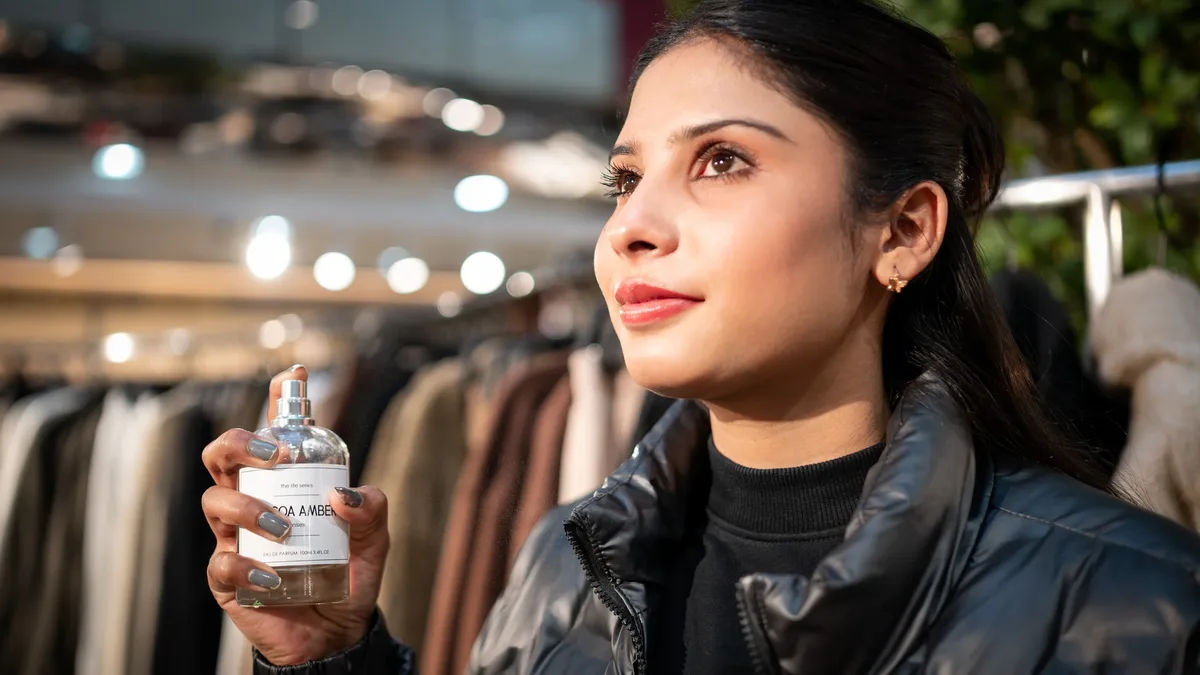
Space NK CEO on Fragrance Focus in Flagship Retail Concept
Space NK CEO Emma Simpson-Scott details the retailer's experiential retail strategy, highlighting interactive fragrance stations and engraving...
Meiyume Unveils Alcohol-Free Fragrance Concept for 2026
Meiyume has previewed a collection of alcohol-free perfumes as part of its Autumn/Winter 2026 concepts, focusing on long-wear olfactive experiences...